Trump Cuts Tariff Rates on Derivative Steel, Aluminum and Copper Goods to 25%
According to Construction Dive, President Donald Trump signed a proclamation on April 6 adjusting how Section 232 tariffs are calculated for steel, aluminum, and copper imports and derivative products, creating a tiered rate structure based on metal content.
Market Impact
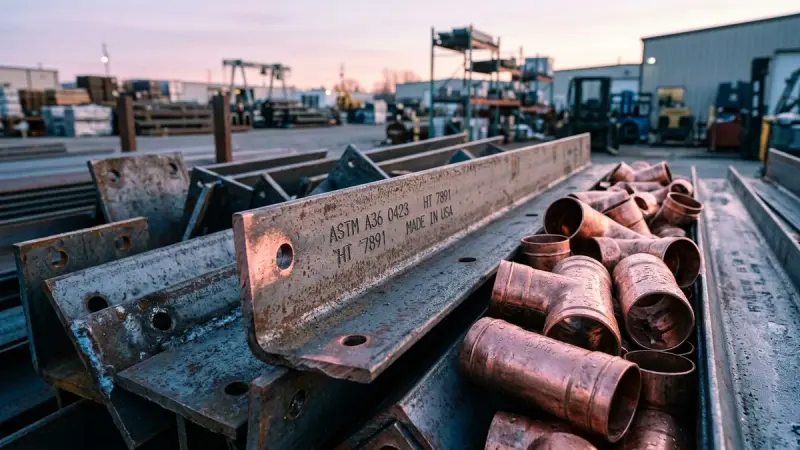
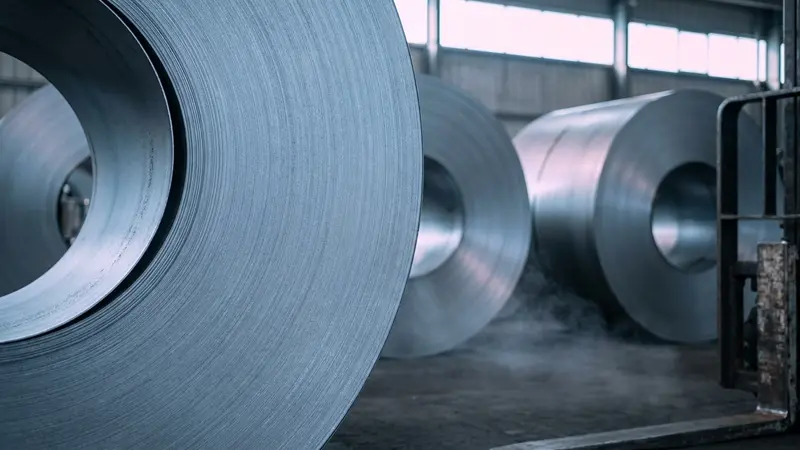
The new framework draws a clear line between raw metal goods and derivative products. Items made almost entirely of steel, aluminum, or copper, such as steel coils and aluminum sheets, continue to face a 50% tariff. However, derivative goods “substantially made” of those metals now face a reduced 25% levy. That category includes diesel-engine trains, semi-trailer hauling trucks, and steel cooking appliances.
The administration also set a 15% rate for certain metal-insensitive industrial equipment and electrical grid equipment, a level locked in through 2027. Goods made from steel, aluminum, or copper sourced entirely in the US face a 10% tariff, and products containing 15% or less of those metals are now exempt from Section 232 tariffs entirely. The UK received preferential treatment, with nearly pure-metal goods at 25% and derivative products at 15%.
Copper has carried a 50% tariff since August 2025. Steel and aluminum duties were previously expanded to cover truck trailers, locomotives, and major household appliances.
What It Means for Subcontractors
- Structural and raw material costs stay elevated. Steel coils, aluminum sheet, and raw copper remain at 50%, meaning fabricated material costs are not coming down for most trades buying base metals.
- Derivative product pricing may ease slightly. If you’re purchasing items like semi-trailers, hauling trucks, or certain equipment that qualifies as a derivative good, the drop from 50% to 25% could translate to meaningful savings depending on supplier contracts.
- Domestic sourcing creates a cost advantage. Products made with 100% US-origin steel, aluminum, or copper face only a 10% tariff, giving subcontractors a concrete reason to push suppliers on domestic sourcing documentation.
- Review equipment purchases before 2027. The 15% rate on metal-insensitive industrial and electrical grid equipment is time-limited. Locking in equipment procurement now could avoid a higher rate if the policy shifts after 2027.
- Update subcontracts and escalation clauses. With tariff rates now varying by product category and metal content, blanket material escalation language may not hold up. Get specific about which commodity tiers apply to your scope.