Are Visual Inspections Commodity Work? Chevron's Travis Harrington Says the Difference Matters
According to Inspectioneering Journal, Chevron Senior Manager Travis Harrington argues in the September/October 2025 issue that external visual inspections (EVIs) are routinely undervalued as commodity work, and that treating them as check-the-box activities undermines mechanical integrity programs at oil and gas facilities.
Why This Debate Matters in the Field
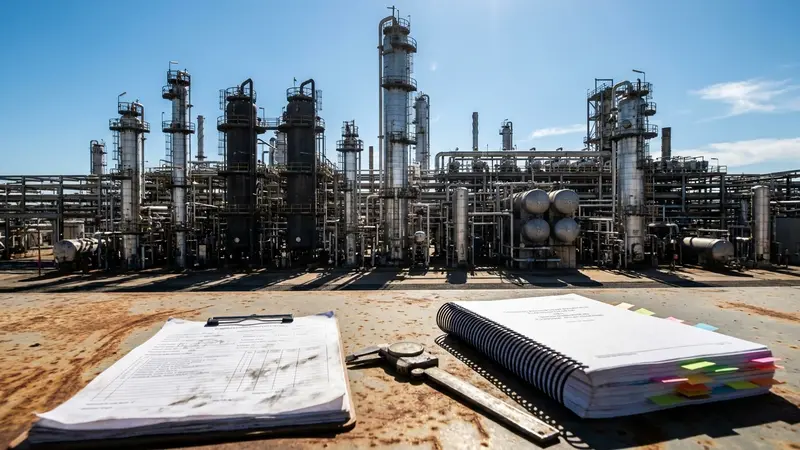
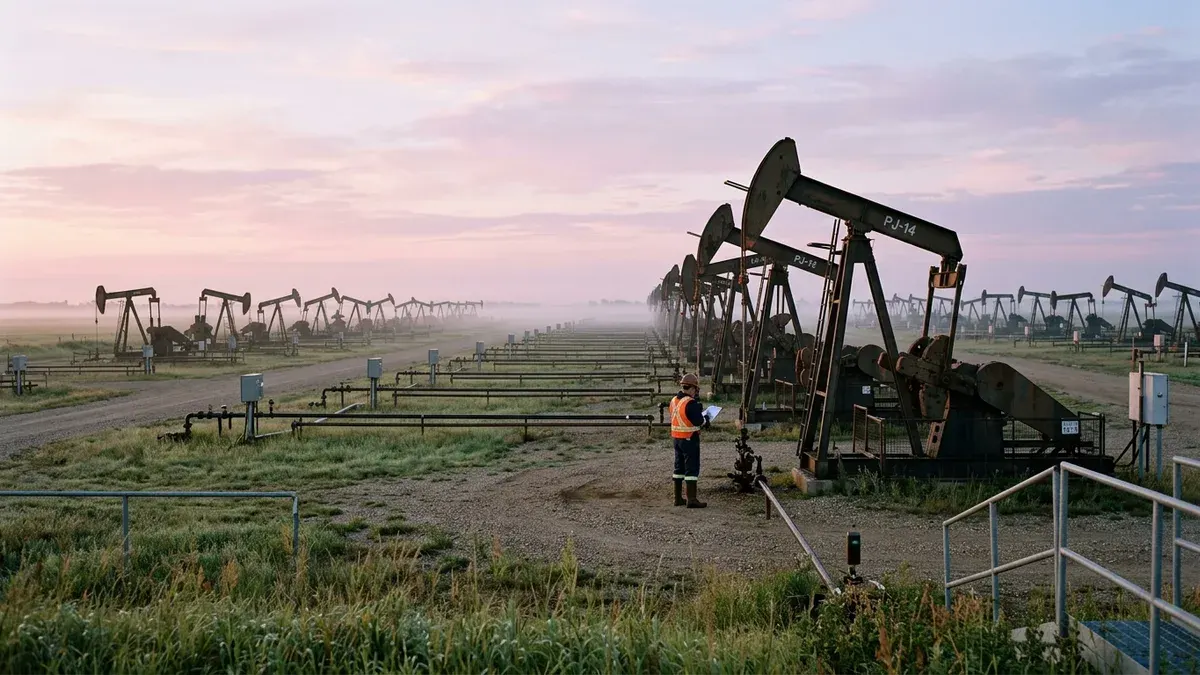
EVIs are among the most frequently contracted scopes of work in mechanical integrity across upstream and downstream operations. Governed by API 653, 510, and 570 for tanks, pressure vessels, and process piping respectively, these inspections are typically scheduled on five-year intervals and performed by certified inspectors across a wide range of equipment types.
Harrington’s piece, part of Inspectioneering’s new “Field Notes” column focused on back-to-basics mechanical integrity concepts, pushes back on the idea that EVIs are interchangeable services anyone with a certification can perform to the same standard. The implication is that operators who treat EVIs purely as a cost line are accepting more risk than they may realize.
What It Means for Subcontractors
- If operators begin pushing back on commodity-style pricing for EVIs, inspection subcontractors who can demonstrate superior documentation, reporting quality, or inspector experience may have room to justify higher rates or longer-term contracts.
- Subcontractors bidding API 653, 510, and 570 work should be prepared to articulate what separates their inspection quality from competitors, not just their day rates.
- Five-year inspection cycles mean scheduling and resource planning windows are predictable. Companies that build relationships with operators before the cycle hits are better positioned than those competing on price at bid time.
- Staying current with API standard revisions is table stakes. Inspectors who understand the why behind the standards, not just the checklist, are the ones operators will want back on site.