Bridger Pipeline's Canada-to-Wyoming Crude Line Carries $2 Billion Price Tag and 1 Million bpd Capacity
According to a Reuters report via BOE Report, Bridger Pipeline has released new details on its proposed crude oil line running from the U.S.-Canada border in Montana to Guernsey, Wyoming, putting the project’s cost at approximately $1.96 billion for the Montana portion alone and its ultimate capacity at 1.13 million barrels per day.
Project Scope and Market Context
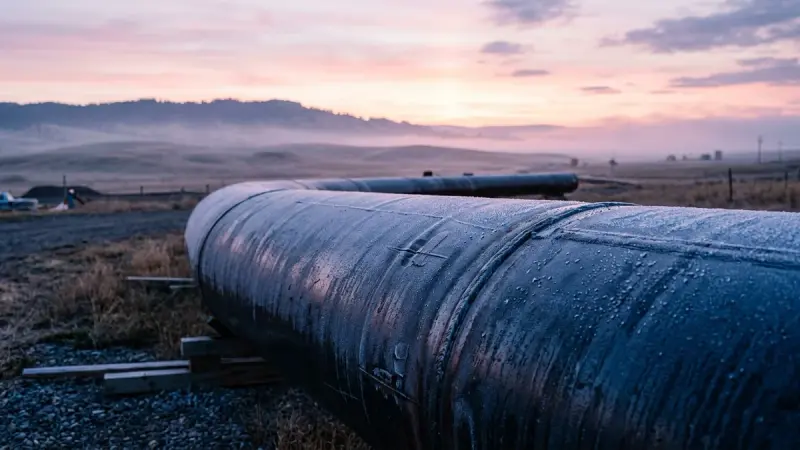
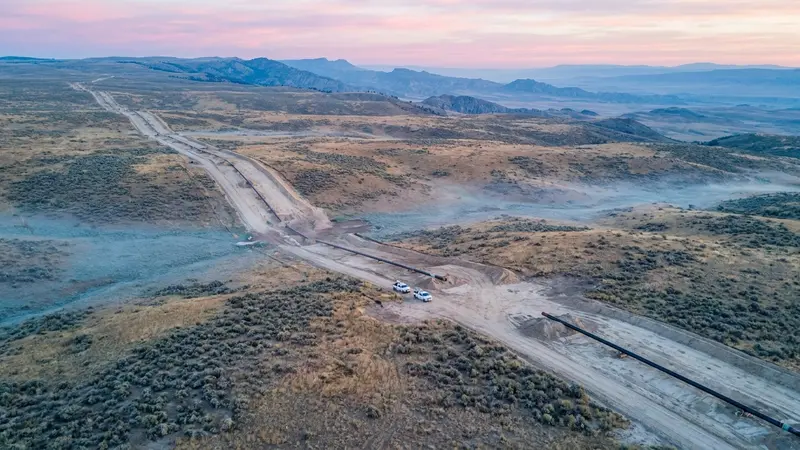
The proposed 36-inch pipeline would span nearly 650 miles, running south through eastern Montana before crossing into Wyoming and terminating near Guernsey. Bridger initially outlined a 550,000 bpd line in a January filing with the Montana Department of Environmental Quality, but late-March filings show a significantly larger build. The company expects initial operations at 550,000 bpd, with capacity to scale well beyond that threshold.
Plainview Energy Analytics noted that batching light crude at maximum capacity could push volumes past the 800,000 bpd ceiling typical for heavy oil service on a line this size. Plainview founder Matthew Lewis called the Bakken tie-in potential a key feature, saying it “positions the project for potential future expansion beyond 550,000 bpd and creates the possibility of a new competitive egress option for Bakken shippers.” Bridger is also seen as a likely U.S. partner for South Bow, the Canadian company working to revive portions of the cancelled Keystone XL pipeline.
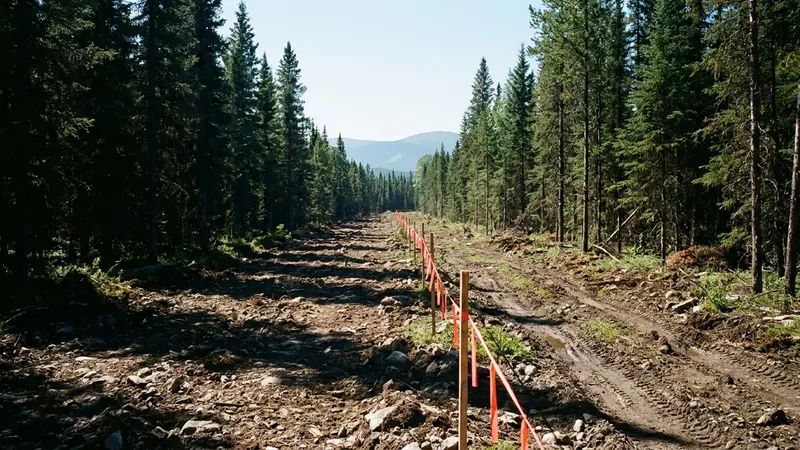
Developers say the route will largely follow existing pipeline corridors to limit new land disturbance, though analysts note Guernsey is not an end market, meaning additional infrastructure connecting to Cushing, Patoka, or the Gulf Coast will be needed downstream.
What It Means for Subcontractors
- Pipeline construction crews across Montana and Wyoming should watch this project closely. The Montana segment alone represents nearly $2 billion in work, and with hundreds of miles of 36-inch pipe to lay across that portion of the route, demand for welding, trenching, horizontal directional drilling, and right-of-way clearing will be substantial.
- Bakken-based service companies in North Dakota have a direct stake. The project’s planned tie-ins to Bridger’s North Dakota gathering network could generate additional connection and facilities work across the Williston Basin if expansion phases move forward.
- Environmental and permitting support firms will find early opportunities. The project requires coordination with the Montana Department of Environmental Quality, and following existing corridors does not eliminate the need for environmental surveys, wetland assessments, and landowner agreements across a 650-mile route.
- Equipment and logistics contractors should begin capacity planning now. A project this size, in a corridor spanning two states, will require sustained mobilization of heavy equipment, pipe hauling, and camp support services over a multi-year construction window.
- Downstream infrastructure contractors near Cushing, Patoka, and the Gulf Coast should track the broader Keystone XL revival discussions. If South Bow’s plans advance alongside this line, connecting infrastructure to major refining hubs represents a second wave of construction opportunity.