Texas Railroad Commission Approves ExxonMobil's Rose CCS Project
The Texas Railroad Commission approved a permit for ExxonMobil’s proposed Rose carbon capture and storage (CCS) project in a 2-1 vote, according to the Journal of Petroleum Technology (JPT). The US Environmental Protection Agency has separately permitted ExxonMobil to store up to 5 million metric tons of CO2 per year across three Class VI injection wells in Jefferson County, in southeast Texas.
The Railroad Commission, despite its name, regulates oil and gas and other subsurface activities in the state. One of the three elected commissioners, Wayne Christian, voted against the project. “I am disappointed by the outcome. I remain unconvinced that the record adequately establishes the project’s long-term safety,” Christian said in a statement posted to the commission’s website. He also questioned the underlying premise of the technology: “I still have not heard a convincing answer to a basic question: What is the point of permanently injecting carbon dioxide underground?”
ExxonMobil’s monitoring, reporting, and verification (MRV) plan, approved by the EPA on April 28, identifies the Fleming and Upper Frio formations as suitable for CO2 storage, citing high porosity and permeability along with thick, continuous sealing intervals in the upper composite confining zone and Anahuac Shale.
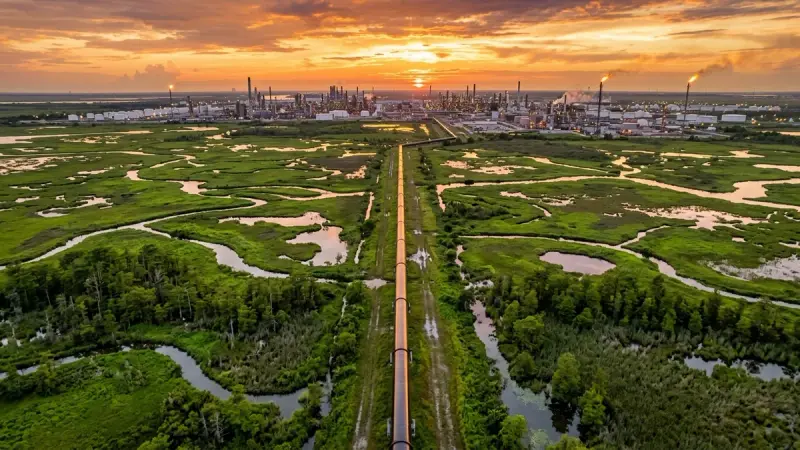
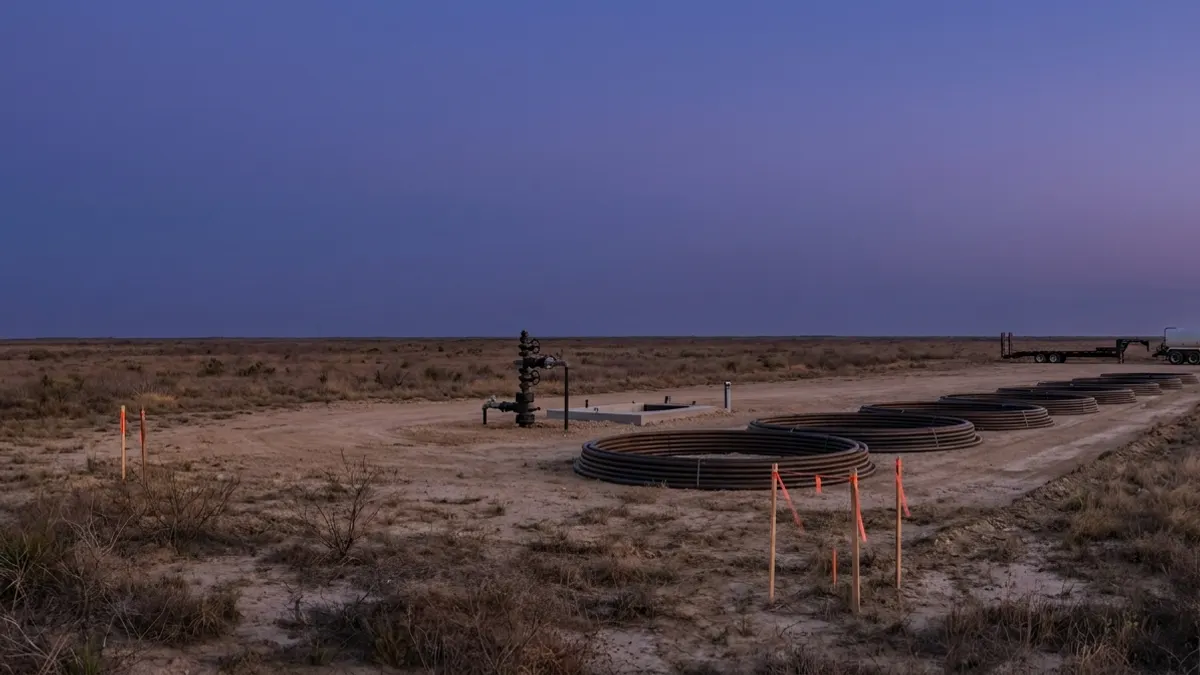
The Rose project sits on 13,000 acres of privately owned land and calls for three CO2 injection wells, three water-monitoring wells, and one in-zone monitoring well. Storage will take place between 0.5 and 1.5 miles below the surface, connected by an 18-mile pipeline to the injection site. Two previously drilled wells that intersected the upper confining zone required corrective work: a legacy well was re-entered, fitted with barriers at critical intervals, and plugged and abandoned in March 2025, while the project’s stratigraphic test well was converted into an above-zone monitoring well in February 2025.
ExxonMobil said the project “will provide an opportunity to reduce carbon dioxide emissions from industrial sources in the region.”
What It Means for Subcontractors
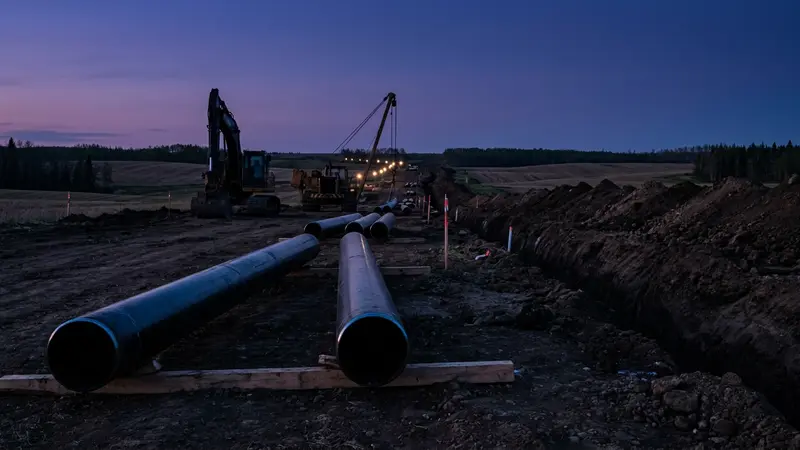
The approval opens the door to construction contracts across the full scope of the Rose project: the 18-mile CO2 pipeline, three injection wells, and four monitoring wells all require drilling, welding, and pipeline crews, plus the civil and environmental monitoring work tied to the MRV plan’s ongoing verification requirements. The prior corrective work on the legacy and stratigraphic test wells — re-entry, barrier installation, and plugging — is a preview of the specialized well-integrity subcontracting this project will continue to need through construction and into long-term monitoring.