Specialty Trades Cut Injury Rates 32.4% Since 2011-12, CPWR Finds
Specialty trades cut their nonfatal injury rate 32.4% from 2011-12 to 2023-24, behind heavy and civil engineering at 46.9%, Construction Executive reports. The figures come from CPWR’s June 2026 Data Bulletin, which uses federal data.
Market Impact
The bulletin, “Construction Injury Trends by Major Subsector,” splits the industry into building construction, heavy and civil engineering, and specialty trades. Building construction improved 32.2% over the same 2011-12 to 2023-24 span. It also moved the wrong way recently: its nonfatal rate rose 13.1% from 2021-22 to 2023-24.
Fatal injury trends diverged more sharply. The fatal rate rose 4.4% in building construction. It fell 35.6% in heavy and civil engineering and 12.7% in specialty trades. In 2024, falls, slips and trips caused 43.6% of fatal injuries in building construction and 41.6% in specialty trades. Transportation incidents caused 47.3% of fatal injuries in heavy and civil engineering.
The source reports percentage changes, not the underlying injury rates. It also does not give a specialty-trades figure for the most recent two-year comparison.
What It Means for Subcontractors
- Pull the baseline number first. The summary gives percent changes only. Your safety director should get the actual specialty-trades rate from the CPWR bulletin itself and confirm its definition matches how you calculate TRIR and DART before comparing. Do this before your broker submits the next renewal package.
- Benchmark against specialty trades, not the whole industry. If your TRIR or DART sits above the specialty-trades figure, prepare a written corrective-action summary before the next prequalification submission. If you sit below, put the comparison in the narrative section. Risk managers and brokers can use it in renewal talks.
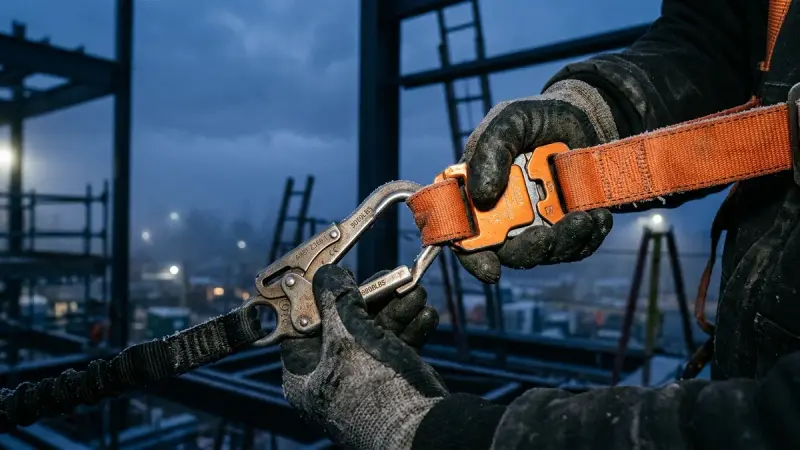
- Put fall controls at the top of the plan for specialty crews. Falls, slips and trips caused 41.6% of 2024 fatal injuries in specialty trades. Electrical, mechanical, insulation and scaffolding contractors can audit ladder, leading-edge and housekeeping controls first, and document the audit.
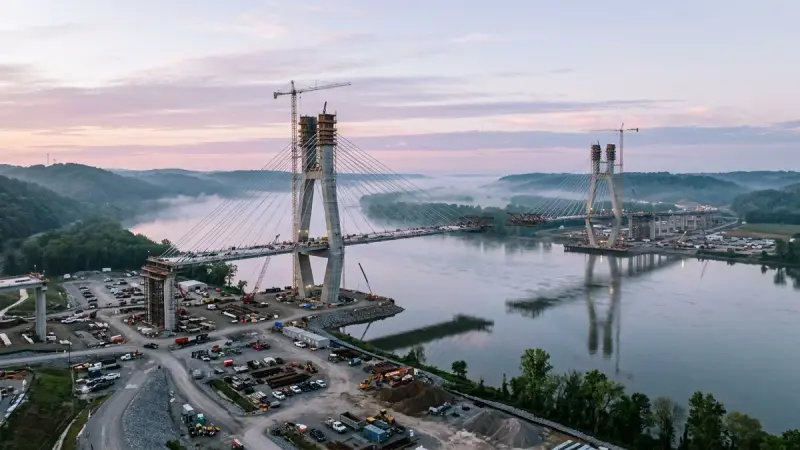
- Heavy and civil crews should look at vehicles. Transportation incidents caused 47.3% of fatal injuries in that subsector. HDD, pipeline civil and site-work contractors should review trucking, traffic control and equipment-movement plans with their safety leads. Fleet and haul-route reviews belong in the next quarter’s safety schedule.
- Expect scrutiny on building projects. The 13.1% rise in the building construction nonfatal rate from 2021-22 to 2023-24 means GCs there may push harder on sub safety records. Check what your GC’s prequalification portal asks for and update your numbers before the next bid package.