Senate Bill Would Lock In LNG Export Approvals, Shielding Terminal and Pipeline Work from Future Moratoriums
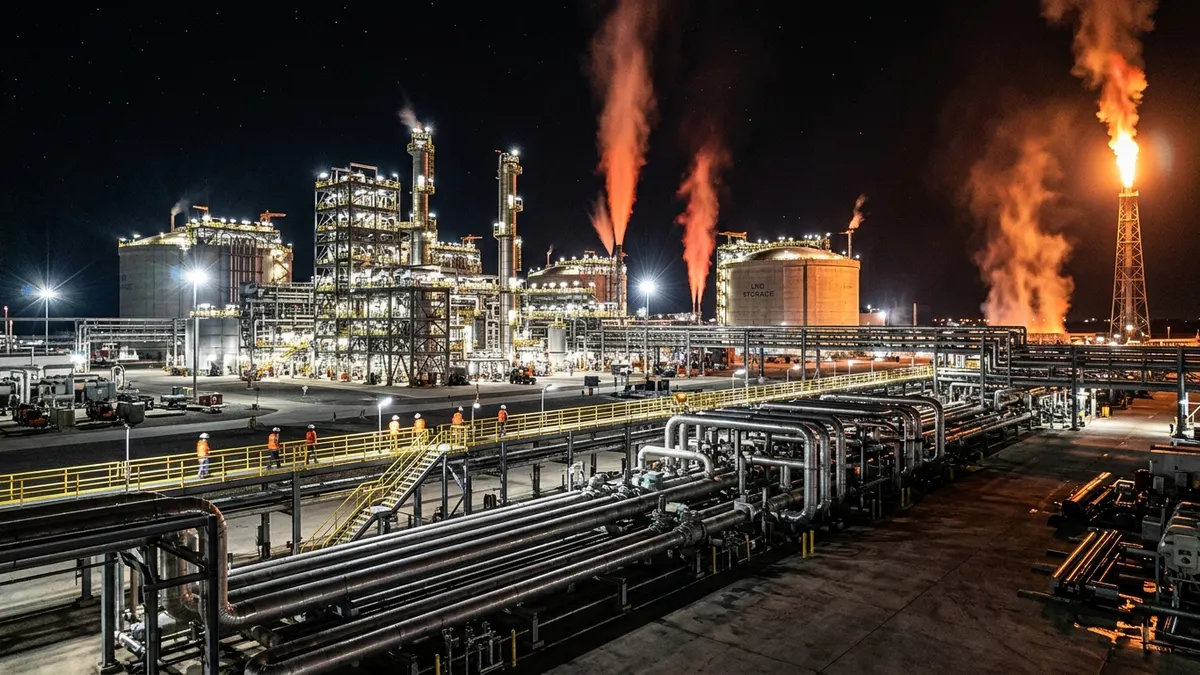
According to World Oil, a bipartisan group of U.S. senators has introduced the LNG Export Security Act, legislation designed to prevent future presidential administrations from pausing or delaying liquefied natural gas export approvals, drawing support from major oil and gas industry organizations.
Market Impact
Introduced by Senators John Cornyn and John Fetterman, the bill would amend the Natural Gas Act to strengthen protections for LNG export permitting. The legislation directly responds to the Biden administration’s 2024 decision to pause approvals for new LNG export permits while federal agencies reviewed economic and climate-related impacts, a move that was later challenged in court and drew broad criticism across the energy sector.
The bill would clarify the definition of “public interest” under the Natural Gas Act, requiring that reviews account for domestic natural gas infrastructure, economic growth, energy supply, and national security impacts. Industry groups including the Texas Independent Producers & Royalty Owners Association (TIPRO) and the Energy Workforce & Technology Council (EWTC) voiced support. EWTC President Tim Tarpley said, “America’s LNG industry supports high-paying jobs, strengthens our supply chains, and reinforces U.S. energy and national security around the world.” TIPRO President Ed Longanecker added that the legislation would reduce regulatory uncertainty while supporting continued investment in natural gas production, pipelines, and LNG export infrastructure.
What It Means for Subcontractors
- Pipeline and terminal contractors working on Gulf Coast LNG buildout projects have more reason for confidence that approved projects won’t be frozen mid-development by a future administration policy reversal.
- Western Canadian service companies eyeing cross-border natural gas and LNG-linked work should monitor this bill closely, as sustained U.S. LNG permitting activity supports demand for upstream production and pipeline capacity that feeds export terminals.
- Workforce and equipment contractors can use this legislative signal as justification for longer-term hiring and equipment investment tied to LNG infrastructure projects, rather than waiting on political risk to clear.
- Bid planning for LNG-adjacent work, including compressor stations, metering facilities, and pipeline tie-ins, becomes more defensible when federal permitting is less vulnerable to broad policy-based stops.