Phillips 66, Kinder Morgan, HF Sinclair Sanction $5B West Coast Pipeline JV
A $5 billion pipeline joint venture just cleared final investment approval, and the project’s mix of new-build pipe and reversed existing lines signals where the heavy construction dollars will actually land. According to a Reuters report via BOE Report, Phillips 66, Kinder Morgan and HF Sinclair have sanctioned the Western Gateway Pipeline system and signed a definitive joint venture agreement, with Phillips 66 taking 49.9% ownership, Kinder Morgan 35.1% and HF Sinclair the remaining 15%.
Background
The Western Gateway system is a proposed 1,300-mile refined products pipeline network designed to move 230,000 barrels per day from St. Louis, Missouri and Gulf Coast origin points to Arizona and California, BOE Report’s Reuters wire coverage states. The project responds to a structural vulnerability on the West Coast: California’s fuel market is relatively isolated from major refining hubs, and planned refinery closures in the state have left companies racing to lock in new supply routes before that capacity disappears.
The build itself is a combination of reversal and greenfield work. Phillips 66’s existing Gold Pipeline, which runs from Borger, Texas to St. Louis, will be reversed to feed the new east-to-west flow. Kinder Morgan’s existing pipeline between Colton, California and Phoenix, Arizona will also be reversed. The piece that requires genuinely new pipe is the segment connecting Borger to Phoenix. Once that new line is complete, Kinder Morgan will contribute its existing SFPP East Line and West Line assets into the joint venture at a valuation of roughly $1.5 billion.
On the money side, Phillips 66 is putting in nearly $2.5 billion in cash, HF Sinclair about $750 million, and Kinder Morgan roughly $250 million in cash plus its contributed pipeline assets. The companies said the system will be underpinned primarily by 10-year, take-or-pay contracts, which points to committed shipper volumes rather than speculative capacity.
Analysis
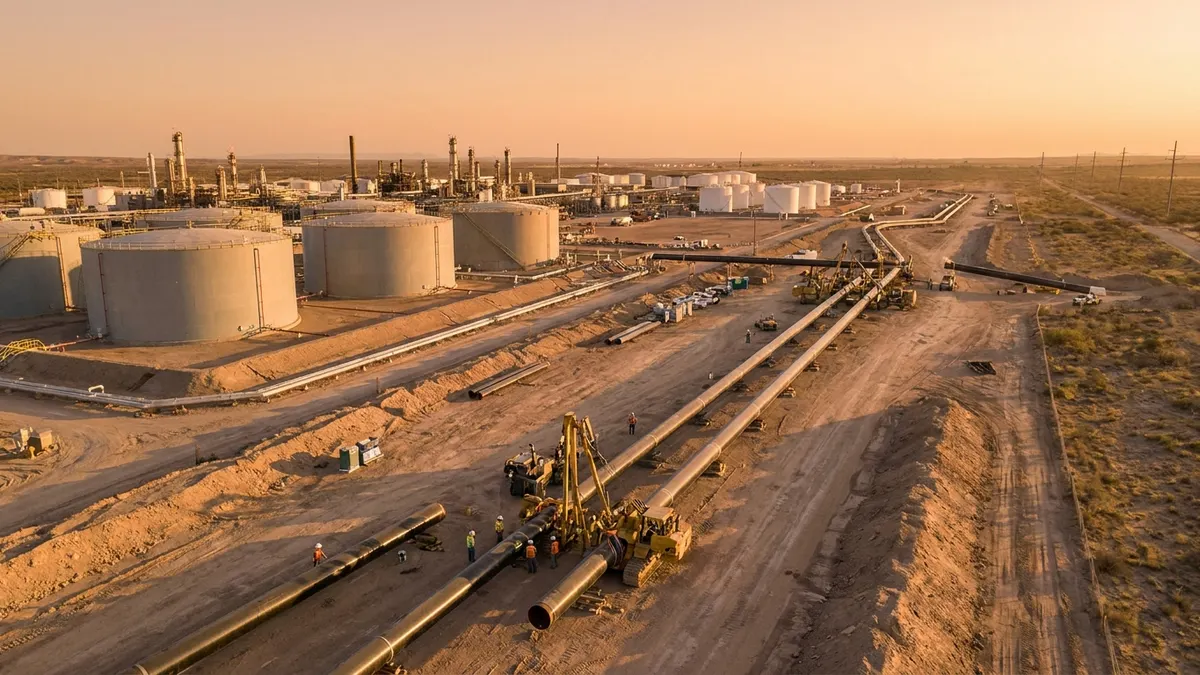
The structure of this deal tells subcontractors most of what they need to know about where the work is. Reversing an existing pipeline is a fundamentally different scope than building one from scratch. Reversal work typically involves pump station modifications, valve and metering upgrades, cathodic protection adjustments, and control system reconfiguration rather than trenching and welding across hundreds of miles. That’s the scope for the Gold Pipeline segment (Borger to St. Louis) and the Colton-to-Phoenix segment.
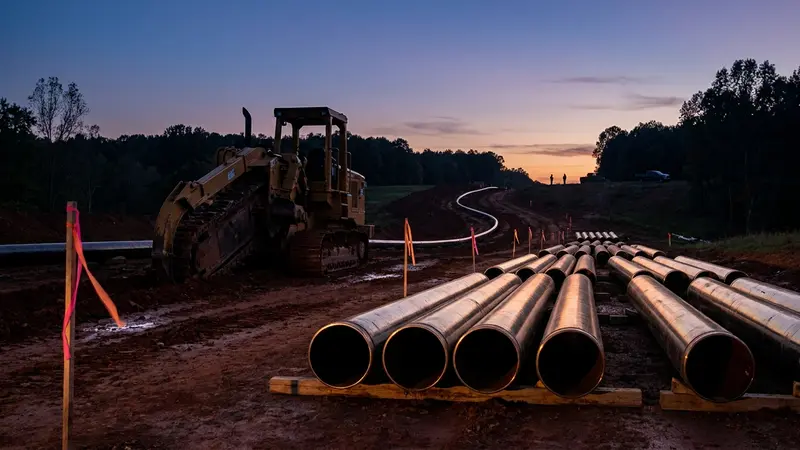
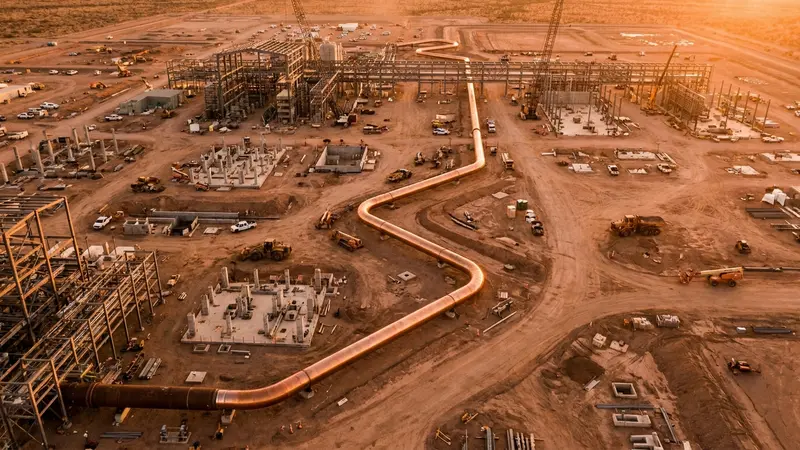
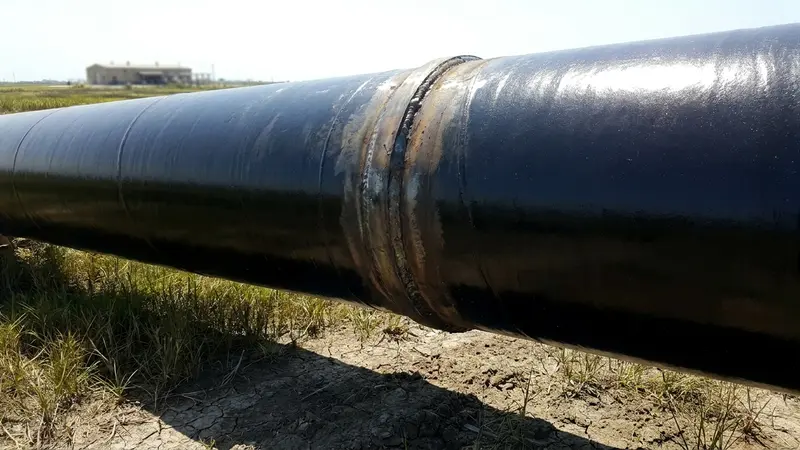
The real greenfield opportunity is the new pipeline between Borger, Texas and Phoenix, Arizona. That corridor cuts through West Texas and New Mexico into Arizona, terrain that will require right-of-way acquisition, environmental permitting, HDD crossings at rivers and highways, mainline welding, and civil earthwork at a scale consistent with a project carrying a $5 billion enterprise value tag. Given that this segment is the one enabling the entire east-to-west flow, it’s also the segment most likely to move first once the JV moves from sanctioning into detailed engineering.
The take-or-pay contract structure matters for risk assessment too. Ten-year commitments from shippers reduce the odds this project stalls mid-construction the way some speculative pipeline proposals have in recent years. For subcontractors evaluating bid/no-bid decisions, a sanctioned project backed by long-term contracted revenue is a materially safer bet than a proposal still seeking anchor shippers.
The three-way ownership split, with Phillips 66 as majority partner at 49.9%, also suggests Phillips 66 will likely take the lead on contractor and EPC selection, though Kinder Morgan’s operational pipeline experience and existing West Coast assets make it a likely co-decision-maker on scope tied to the SFPP lines and the Colton-Phoenix reversal work.
What It Means for Subcontractors
- The Borger, Texas to Phoenix, Arizona segment is the new-build portion of the project and represents the largest civil, welding, and HDD scope; firms with West Texas-to-Arizona pipeline experience should position now, as this is the segment most likely to reach FEED and contractor selection first.
- Reversal work on the Gold Pipeline (Borger-to-St. Louis) and the Colton-to-Phoenix line will lean toward pump station retrofits, valve replacement, and controls/E&I upgrades rather than trenching, a different subcontractor pool than the greenfield segment.
- The $1.5 billion SFPP East Line and West Line contribution to the joint venture, contingent on completion of the new Borger-to-Phoenix pipeline, signals a phased sequencing; subcontractors should expect the new-build segment to be substantially complete before SFPP integration work is packaged out.
- With Phillips 66 holding 49.9% ownership and contributing nearly $2.5 billion in cash, expect Phillips 66 to drive EPC and major subcontract package decisions; firms with existing Phillips 66 midstream relationships have an edge on early bid list inclusion.
- The 10-year take-or-pay contract backing gives this project stronger financial footing than speculative pipeline proposals, a relevant factor for subcontractors weighing mobilization costs and contract risk on a project of this scale.
- No construction timeline or specific bid dates were disclosed in the initial announcement; subcontractors should watch for FEED contractor announcements and permitting filings in Texas, New Mexico, and Arizona as the next concrete signal of when subcontract packages will open.