OSHA Extends Warehouse Safety Inspection Program Through 2031
OSHA’s updated National Emphasis Program on warehouses and distribution centers will now run through July 13, 2031, Safety+Health Magazine reports. The previous version of the program expired in July 2026. The NEP targets industries including postal processing and distribution centers, couriers and delivery services, local messengers, and general, refrigerated, and farm product warehousing, citing days away, restricted or transferred (DART) rates that remain significantly higher than the overall industry average. Under the program, OSHA will conduct comprehensive safety inspections focused on hazards common to these facility types. Notable changes from the prior version include the elimination of mandatory ergonomic and heat hazard screenings by investigators, and the removal of “high injury-rate retail establishments” (home centers, hardware stores, other building material dealers, supermarkets, and warehouse clubs) from NEP coverage. OSHA also clarified that area offices retain discretion to expand inspections based on fatalities, catastrophes, complaints, or referrals tied to covered NAICS codes.
What It Means for Subcontractors
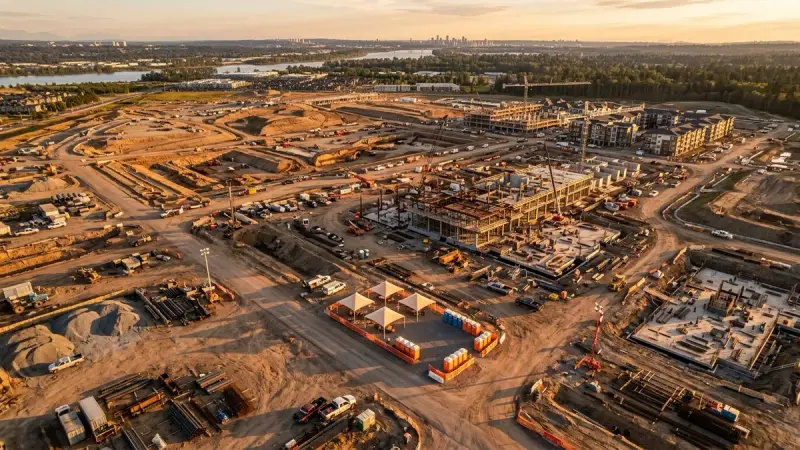
- Contractors building or retrofitting warehouses, distribution centers, and cold storage facilities should expect OSHA inspection exposure on active job sites through mid-2031, not just a short-term enforcement push.
- Electrical, mechanical, and general contractors working inside operating distribution centers (rather than new construction) face a longer runway of possible OSHA scrutiny tied to the same facility, since inspections can be triggered by complaints or referrals at any point before 2031.
- Retail construction and renovation subcontractors working on grocery stores, warehouse clubs, and home centers get a reprieve, as those NAICS codes are no longer targeted under the renewed NEP, though general OSHA enforcement still applies.
- Firms doing ergonomic or heat-stress consulting for warehouse clients should note OSHA inspectors are no longer required to screen for those hazards under this program, shifting more of that risk assessment burden onto facility operators themselves.