OPAL Fuels and GFL Partner on Two Landfill Gas-to-RNG Projects in Alabama and Georgia
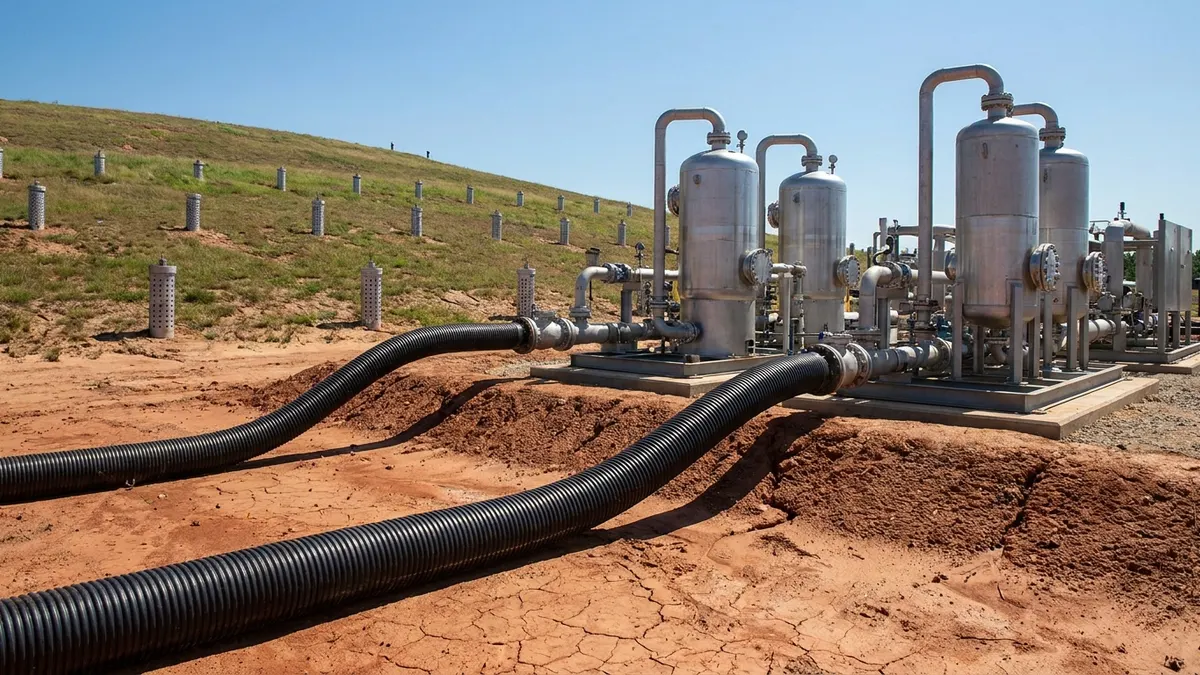
According to Rigzone, GFL Environmental Inc and OPAL Fuels LLC have agreed to jointly develop two renewable natural gas (RNG) production facilities at the Stones Throw Landfill in Tallapoosa County, Alabama and the Grady Road Landfill in Polk County, Georgia.
Two Projects, Two States, One Growing Market
The projects are owned 50/50 by GFL and OPAL Fuels and together represent nearly 2 million MMBtu of combined plant design capacity, according to a joint statement reported by Rigzone. OPAL Fuels will market and distribute the full output through its CNG/RNG dispensing network. The facilities are designed to fuel approximately 800 Class 8 heavy-duty tractors, with the companies citing better economics than diesel along with zero Scope 1 and Scope 2 emissions.
GFL founder and CEO Patrick Dovigi said the projects support the company’s greenhouse gas reduction goals, including fueling GFL’s own CNG fleet from gas produced at its landfills. OPAL Fuels co-CEO Jonathan Maurer noted that bringing new RNG production online amid accelerating fleet demand reinforces the company’s vertically integrated model.
The announcement comes as OPAL Fuels reported investing $24.4 million in RNG projects and fueling stations during the first quarter of 2026, more than double the $11.6 million invested in Q1 2025. The company produced 1.2 million MMBtu of RNG fuel in the first quarter and posted revenue of $73.38 million for that period.
What It Means for Subcontractors
- Construction work is coming to the Southeast. Two new landfill gas processing facilities in Alabama and Georgia will require civil, mechanical, electrical, and pipeline subcontractors. Companies already active in midstream or industrial construction in those states should be watching for procurement activity from GFL and OPAL Fuels.
- OPAL Fuels is spending aggressively. The company more than doubled its capital investment in RNG construction year over year in Q1 2026. That trajectory signals continued project flow for subs who can qualify as vendors.
- Fueling station buildout is part of the package. OPAL Fuels is expanding its CNG/RNG dispensing network alongside production. That means fueling infrastructure construction is also in play, not just upstream gas processing work.
- Fleet conversion is the demand driver. The joint statement points to accelerating heavy-duty trucking conversions driven by diesel price volatility and tightening combustion engine regulations. Subs serving the transportation and logistics sector should expect RNG fueling infrastructure to be a growing line of work across the South.