January Winter Storm Knocked 410,000 bpd Offline, Biggest US Output Drop in Two Years
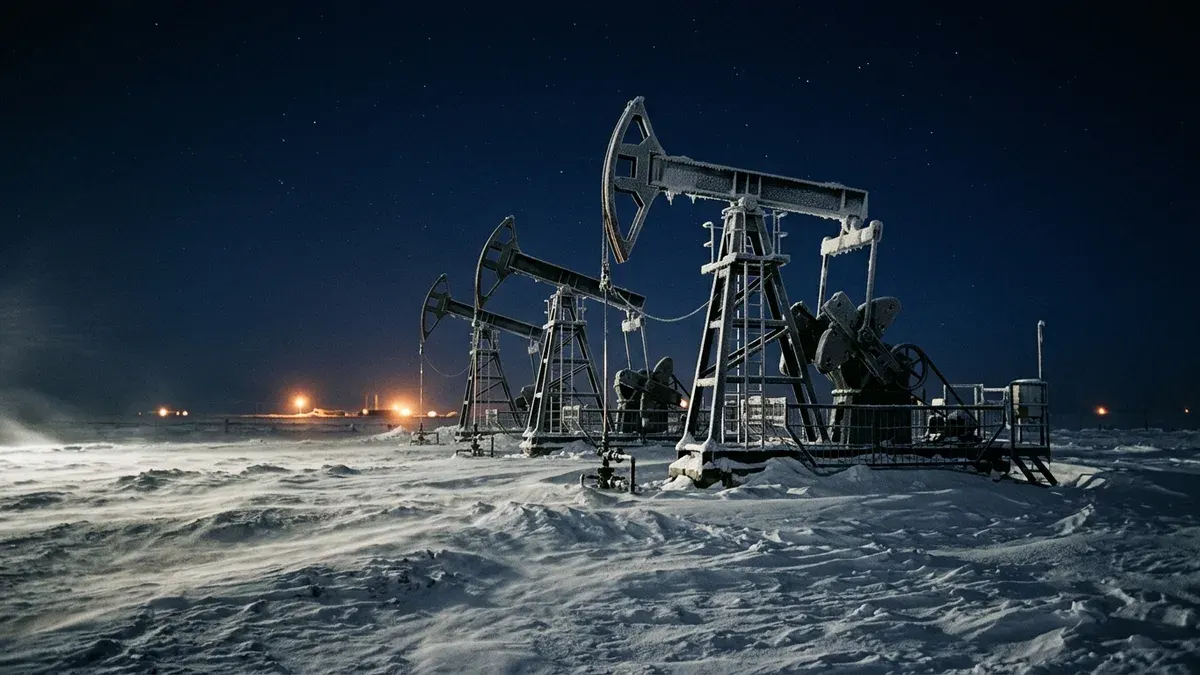
According to a Reuters report via BOE Report, US crude oil production dropped 410,000 barrels per day in January to 13.25 million bpd, the largest month-over-month decline in two years, as a severe winter storm forced widespread production shutdowns across the country.
Production and Demand: What the EIA Numbers Show
The Energy Information Administration data, released March 31, paints a mixed picture of how January’s winter storm moved through the market. On the production side, the hit was significant. Output fell to its lowest point since February 2025, reflecting how quickly extreme cold can take wellsites offline across multiple producing regions simultaneously.
Demand split along predictable lines. Gasoline consumption collapsed, with product supplied dropping 501,000 bpd to 8.3 million bpd, the lowest reading since January 2022, as fewer drivers were on the roads. Distillate fuels told the opposite story. Diesel and heating oil demand surged 213,000 bpd to 4.03 million bpd, the biggest monthly increase in a year, driven by power generation and space heating needs during the cold snap.
Adding pressure to the outlook, retail gasoline prices crossed $4 per gallon as of late March, with the Reuters report citing disruption in global oil markets as a contributing factor.
What It Means for Subcontractors
- Diesel cost exposure is real. January’s distillate spike is a reminder that fleet-heavy field service companies face serious fuel cost volatility during extreme weather events. Review fuel surcharge clauses in your contracts before the next weather disruption hits.
- Production shutdowns mean deferred work, not canceled work. When output drops sharply, operators typically rush to restore and catch up. Wellsite service companies, roustabouts, and production maintenance contractors often see a surge in call-out work in the weeks following a weather event.
- $4-plus gasoline adds to overall job costs. If your crews are driving long distances to remote locations in the Permian, Bakken, or Rockies, fuel costs on light vehicles compound quickly. Update your job cost estimates to reflect current retail prices.
- Winter preparedness is a competitive differentiator. Subcontractors who kept crews moving and equipment operational during the January storm were in a position to capture recovery work. Investing in cold-weather protocols and equipment winterization pays off when operators need reliable partners fast.