IEA Prepares Another Emergency Oil Reserve Release as Markets Tighten
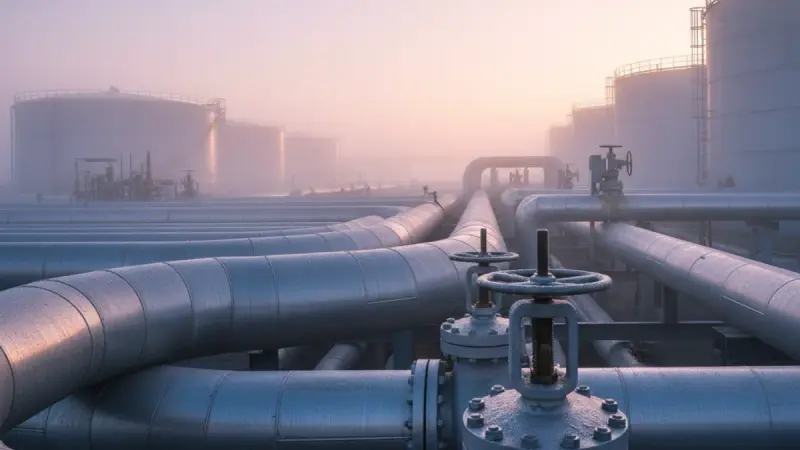
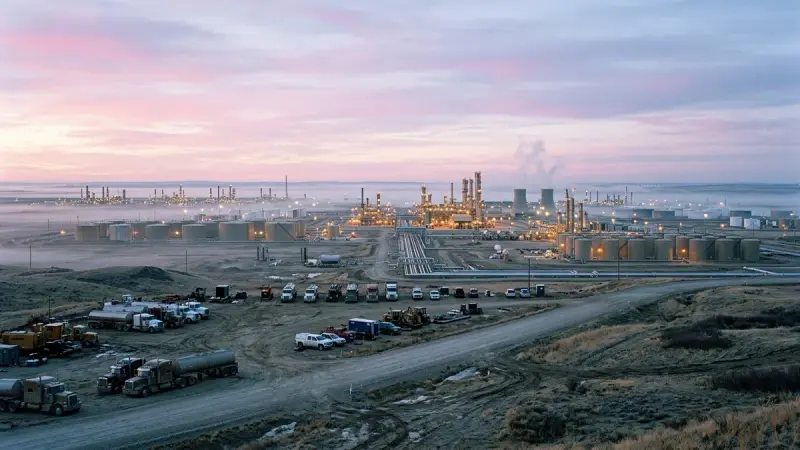
According to OilPrice.com, the International Energy Agency has signaled readiness to authorize another emergency release of oil from member nations’ strategic petroleum reserves, as global supply disruptions continue to push crude prices higher.
Market Conditions Driving the Decision
The IEA’s signal comes against a backdrop of significant price pressure. WTI crude has climbed above $98 per barrel, while Brent is trading near $113, according to pricing data visible on OilPrice.com. Goldman Sachs recently boosted its oil price forecast by $8 for Brent and $7 for WTI, reflecting sustained tightening in global supply. Broader headlines point to escalating fears around Iran, ongoing Middle East conflict, and Asian refiners paying record premiums for non-Middle East crude, all contributing to market volatility.
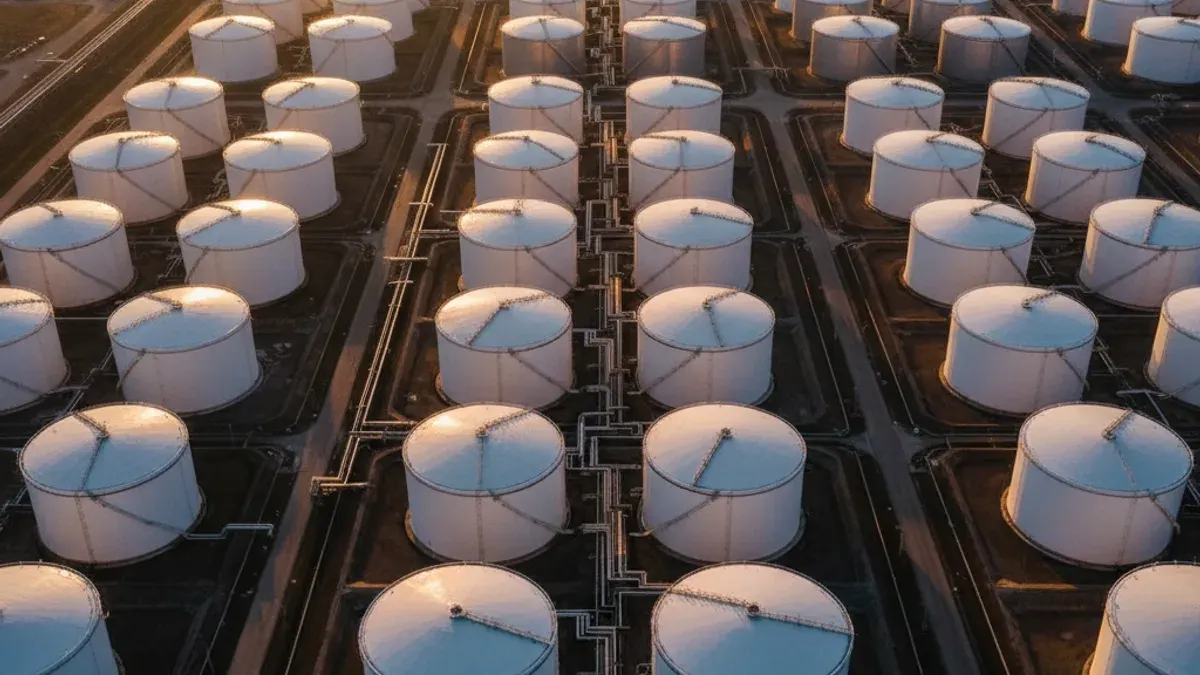
A coordinated strategic petroleum reserve release, similar to the 180 million barrel release IEA members executed in 2022, is designed to cool prices and signal to markets that member governments are willing to act. Whether it produces lasting relief, however, depends heavily on how long underlying supply disruptions persist.
What It Means for Subcontractors
- Don’t count on a sustained price drop. Emergency releases tend to produce short-term price relief, not structural change. If your contracts are tied to fuel cost escalators or day rates, don’t adjust long-term bids based on a temporary dip.
- Diesel costs remain a live risk. Heating oil futures were up over 4% in recent trading, a leading indicator for diesel prices that directly hit field operations, equipment hauling, and generator costs across the Permian, Gulf Coast, and Rockies.
- Volatile markets can accelerate operator spending decisions. When prices spike, producers often fast-track completions and infrastructure work to lock in margins. Watch for accelerated project timelines and make sure your crews and equipment are ready to respond.
- Lock in fuel and material costs where possible. If you’re quoting work 60 to 90 days out, build in protection against further diesel or materials escalation. A reserve release does not eliminate upside price risk in the near term.