H&MV CEO Warns High-Voltage Labor Shortage Could Slow Data Center Builds
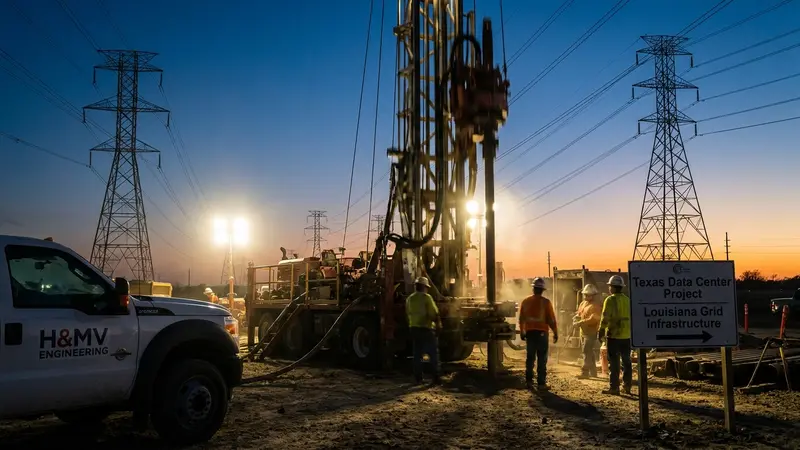
H&MV Engineering plans to add 1,000 U.S. jobs over five years and establish a North American headquarters in Dallas, CEO P.J. Flanagan told ENR in a Sept. 17 interview covering the labor and equipment strain behind gigawatt-scale data center construction.
Market Impact
The Ireland-based high-voltage engineering and construction firm entered the U.S. market in late 2025 and acquired Amarillo, Texas-based Cooke Power Services in January, gaining local construction teams, state-level licensing and regional utility relationships. H&MV currently employs more than 200 people in the U.S. and expects that workforce to top 500 within five years, before the new 1,000-job hiring plan was announced.
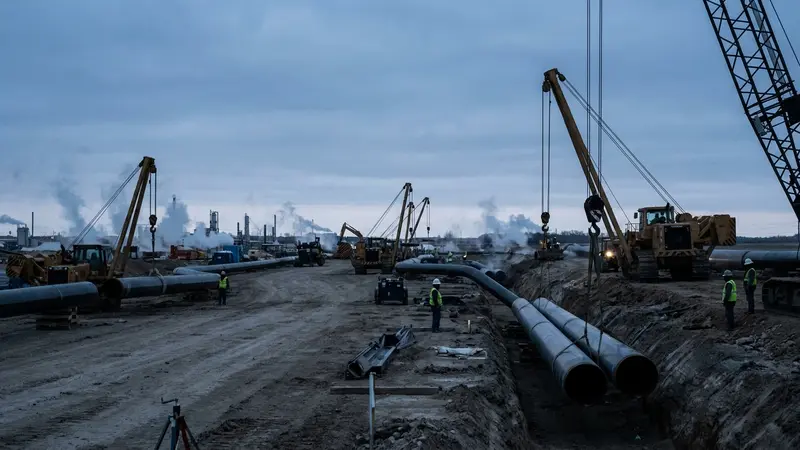
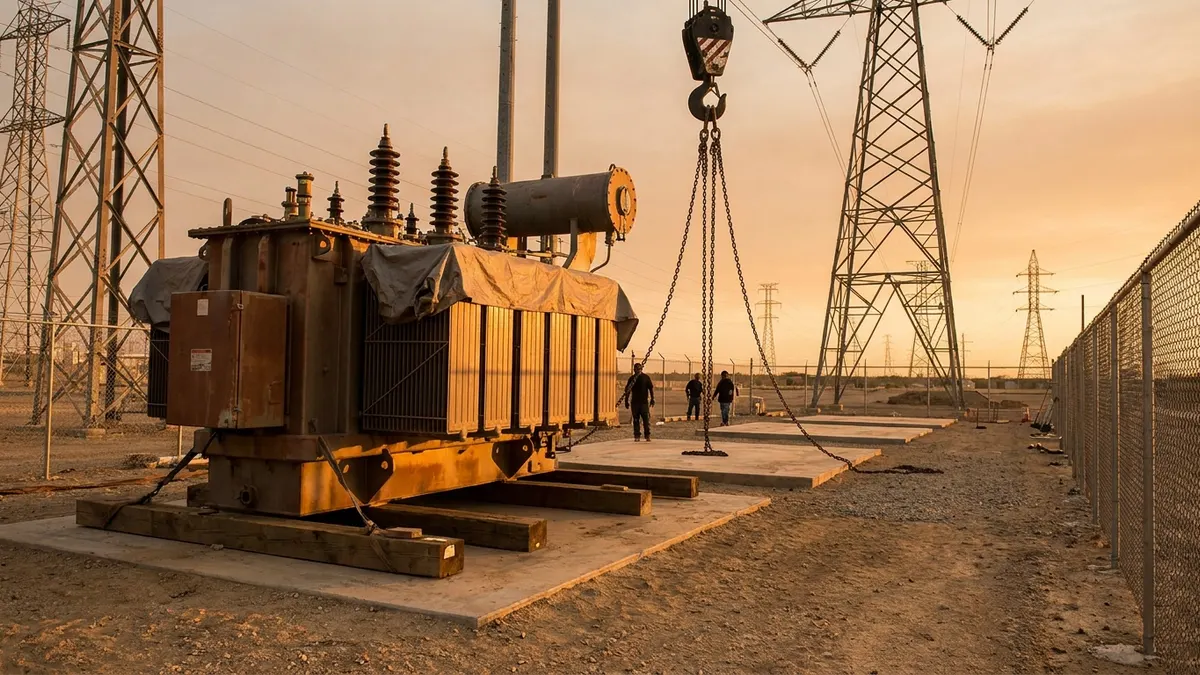
Flanagan said data center campuses have shifted from hundreds of megawatts to full gigawatt scale, turning on-campus electrical work into utility-scale infrastructure projects. He put realistic delivery timelines at 24 to 36 months from the point a customer secures a grid connection to energization, depending on voltage, capacity and megawatt size. Long-lead equipment such as transformers and switchgear remains a bottleneck shared across data centers, battery storage and solar projects, he said, and standardizing designs early lets contractors place equipment orders before projects are fully locked in. Flanagan pointed to high-voltage electrical engineers as the hardest positions to fill, calling it “a challenge at the moment” across the industry, and said turning a new hire or apprentice into a qualified high-voltage worker, including cable jointers, wiremen and steel builders, takes two to four years. H&MV also cited a $2.3 billion order book and an $18.6 billion pipeline, with Flanagan saying “a high percentage” of both are tied to its U.S. growth strategy, though he declined to give an exact breakdown. Beyond Texas and Louisiana, Flanagan named Nevada, New Mexico, Georgia, Mississippi, Oklahoma and Utah as markets showing similar buildout momentum.
What It Means for Subcontractors
- High-voltage electricians, cable jointers, wiremen and steel builders for substation work are in short supply nationally; firms should start requalifying and locking in specialized crews now given Flanagan’s two-to-four-year training timeline for new hires.
- Contractors bidding data center power packages should plan around the 24-to-36-month grid-connection-to-energization window Flanagan describes, and push early-stage design and standardization work sooner to avoid delivery slippage.
- Long-lead items like transformers and switchgear are competing across data center, battery storage and solar projects; subs and EPCs should place equipment orders early and consider standardized designs to secure factory slots ahead of contract finalization.
- Firms serving Texas and Louisiana should watch for parallel opportunities in Nevada, New Mexico, Georgia, Mississippi, Oklahoma and Utah, markets H&MV has flagged as next in line for utility-scale buildout.
- With H&MV adding 1,000 U.S. jobs over five years and expanding from its new Dallas headquarters, regional subcontractors and power service firms may see increased subcontracting and partnership opportunities as the company scales beyond its Cooke Power Services acquisition.