Venture Global Seeks FERC Fast-Track for CP2 Export Expansion as Phase 2 Hits FID
According to a U.S. Department of Energy progress report dated April 1, 2026, Venture Global’s CP2 LNG filed a petition in FERC Docket No. PF26-8 on March 24 requesting a waiver of the commission’s pre-filing process for an expansion of the project’s export authorizations. The filing seeks to increase CP2’s approved export volumes by approximately 427 Bcf per year for both FTA and non-FTA countries.
No New Construction, but a Bigger Mandate
The expansion does not require construction of new facilities or modification of already authorized infrastructure. Instead, it relies on revised assumptions about the maximum potential output of facilities that are already permitted and under construction. Venture Global submitted a corresponding application to the Department of Energy on February 20, 2026, requesting the authorization increases.
Phase 2 Financing Signals Long-Term Site Commitment
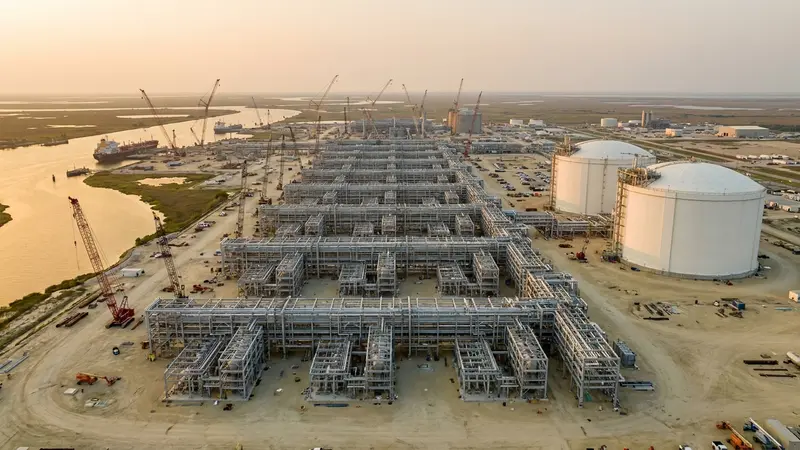
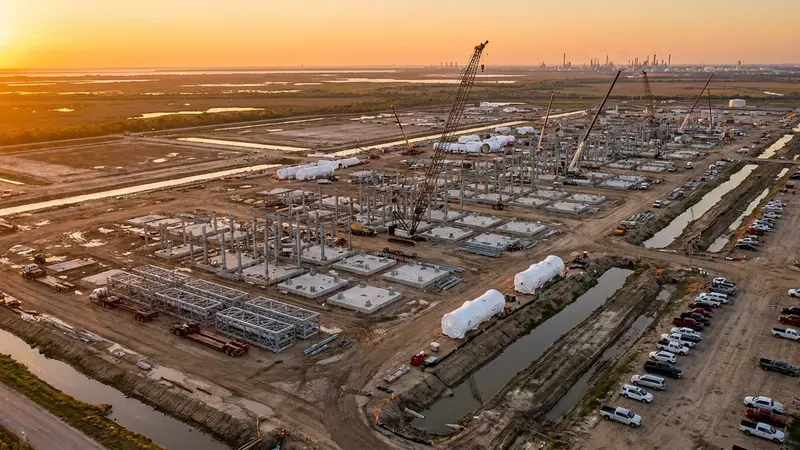
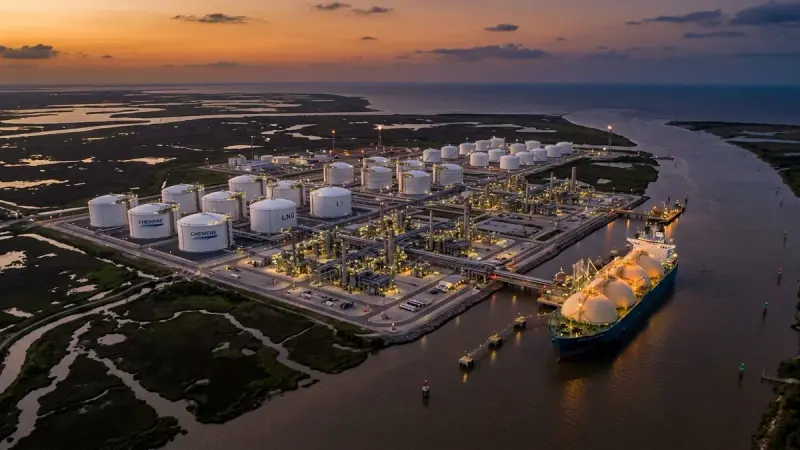
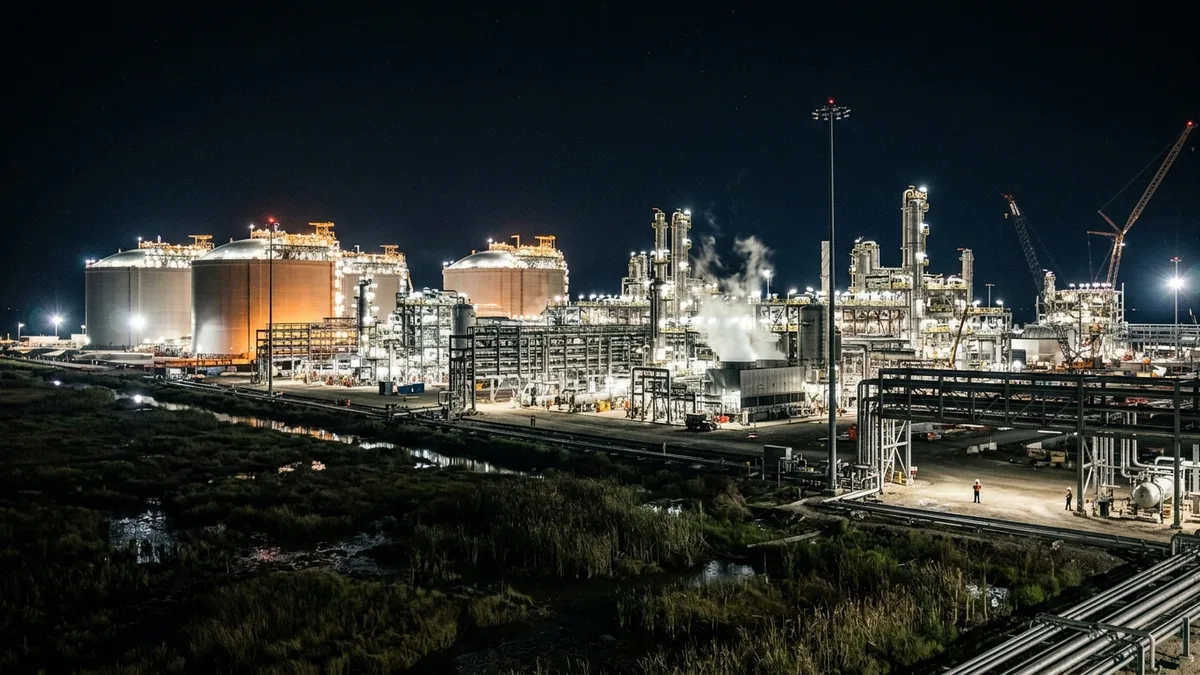
The waiver filing came just days after Venture Global announced Final Investment Decision for CP2 Phase 2 on March 13, 2026, closing $8.6 billion in project financing from Asian, European, and U.S. banks. Phase 1, with capacity of 2.0 Bcf per day, is under construction in Cameron Parish, Louisiana, with commercial operations targeted for late 2029. Phase 2 is projected for mid-2030.
What This Means for Subcontractors
For subcontractors already working the Cameron Parish corridor or positioned for Gulf Coast LNG work, the waiver filing reinforces that CP2 is not a single-phase build. Venture Global is actively expanding the commercial mandate for the site while construction is still underway. Subcontractors on approved vendor lists for Phase 1 should be tracking Phase 2 procurement timelines, as FID typically triggers EPC contractor mobilization within months. The revised export authorizations also suggest the operator sees higher throughput from the existing facility design, which could mean extended commissioning and operations-phase maintenance work beyond the initial construction window. The pattern is consistent with other Gulf Coast megaprojects where early-phase subcontractors who stayed engaged through procurement cycles secured follow-on work without requalification.