Exxon Expands Automated Drilling Rigs in Permian, Aiming for Half Its Fleet by 2028
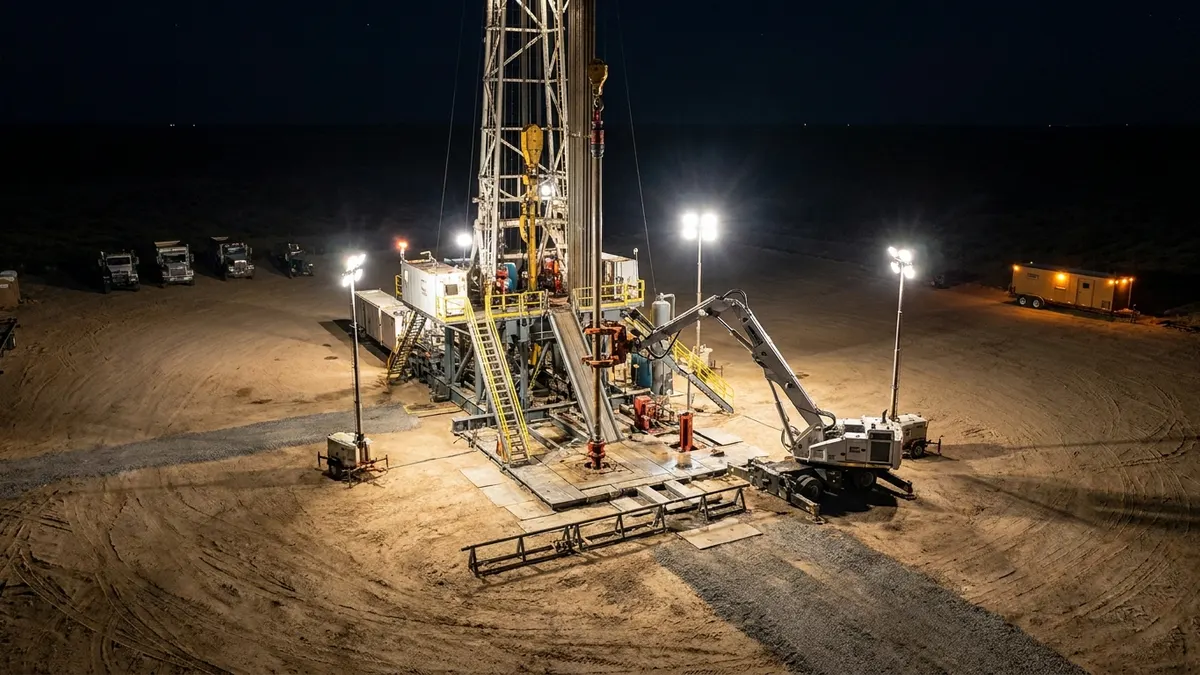
Exxon plans to automate half of its Permian Basin drilling fleet by 2028, using robotic systems to handle pipe-moving work currently done by rig floor crews, according to a Reuters report via BOE Report.
Market Impact
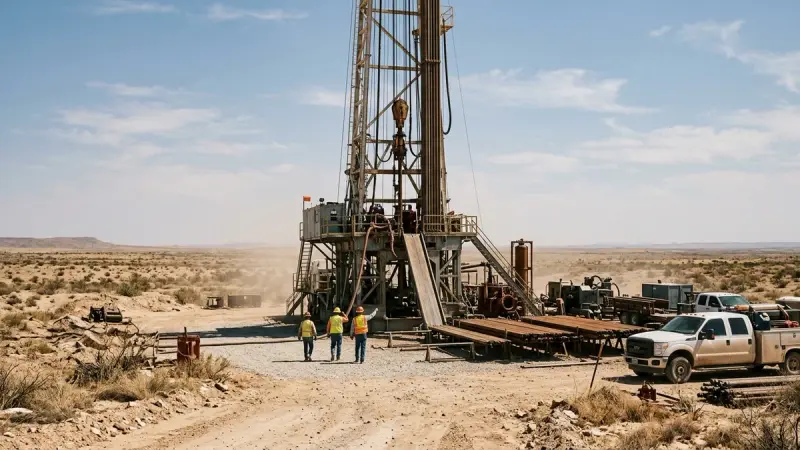
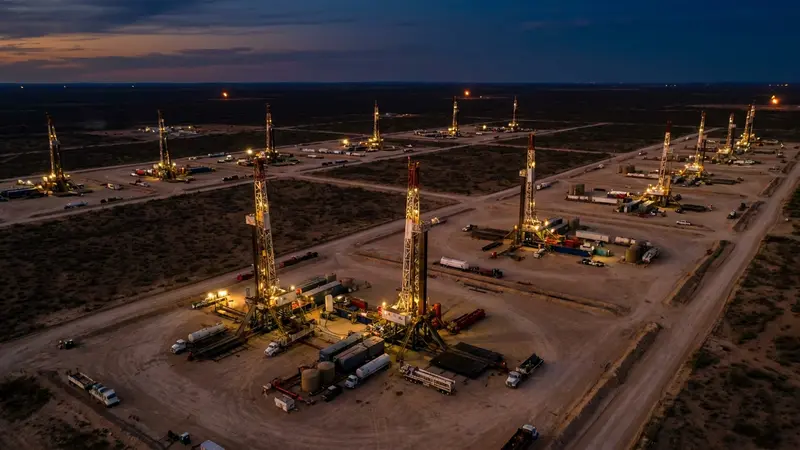
Exxon operates more than 30 drilling rigs in the Permian Basin, two of which are currently automated. The company installed its first automated rig, supplied by drilling contractor Helmerich & Payne, last year. That rig drilled two miles horizontally underground in a little over six days, the third fastest time in Exxon’s history. Exxon plans to expand automated rigs to a quarter of its fleet next year, then to half by 2028.
Bart Cahir, Exxon’s senior vice president of unconventionals, told Reuters the shift is about efficiency as much as safety. “When we take people off the rig floor, those same individuals are now able to think ahead and plan for the next operation and that combination gives us efficiency,” he said. “This is the productivity play.” Cahir noted that about a third of significant rig injuries historically occur on the rig floor, where robotic arms now position drill pipe columns weighing roughly 2,000 pounds instead of human crews. Exxon, the largest U.S. oil producer by volume, aims to grow Permian production almost 40% to 2.5 million boe/d by 2030, a far more aggressive target than rival Chevron, which plans to hold output near 1 million boe/d and prioritize free cash flow instead.
What It Means for Subcontractors
- Drilling contractors supplying rig crews in the Permian should expect fewer rig floor positions as automated systems from suppliers like Helmerich & Payne take over pipe-handling tasks on Exxon’s rigs, with a quarter of the fleet converting by 2027 and half by 2028.
- Field service companies should start building or hiring remote-operations and controls technicians who can support central command centers like Exxon’s Houston operations hub, which now directs precise robotic movements on rigs in Midland.
- Safety and training vendors serving drilling contractors may see demand shift from rig floor hazard training toward “Red Zone” access control, automation system monitoring, and technician certification for robotic drilling equipment.
- Companies bidding on Exxon-related Permian work should track how quickly automation spreads beyond Exxon’s own fleet, since Exxon’s aggressive 40% production growth target through 2030 could pressure competing operators to adopt similar automated rig technology to stay cost-competitive.
- The scale of change is still limited for now, with only two of Exxon’s 30-plus rigs automated as of this report, so subcontractors have a multi-year window before automation reaches half the fleet in 2028 to retrain crews or adjust staffing models.