Hormuz Tensions Could Trigger Second-Half Drilling Surge in Permian, Bakken
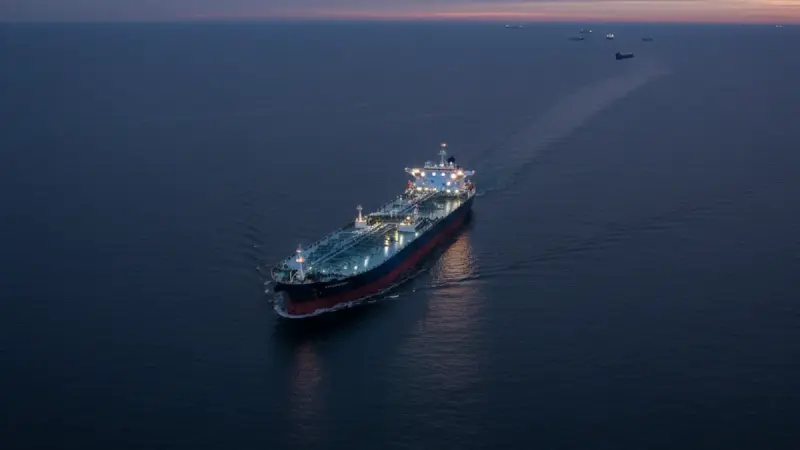
According to a Reuters report via The Spokesman-Review, U.S. shale producers are expected to increase crude output if oil prices sustain a rally driven by tensions surrounding the Strait of Hormuz, a critical chokepoint that moves roughly 20% of the world’s oil supply.
Market Impact
Oil prices have climbed on fears that military escalation near the Strait of Hormuz could disrupt tanker traffic and tighten global supply. West Texas Intermediate has been testing the $80-per-barrel threshold that many Permian Basin operators cite as the trigger point for unlocking discretionary drilling budgets. At that level, producers in the Midland and Delaware sub-basins, as well as Bakken operators in North Dakota, have historically accelerated completions activity and added frac crews.
The rally’s durability is the central question. Analysts note that geopolitical price spikes tend to be short-lived if diplomatic pressure eases or shipping routes are secured. That leaves a narrow window, possibly a few months, for drillers to act before prices retreat and capital discipline reasserts itself.
What It Means for Subcontractors
- Watch the $80 threshold. Permian and Bakken E&Ps have publicly tied incremental spending decisions to WTI holding above $80. If prices stay there through July, expect accelerated work order releases in the third quarter.
- Prepare for a tight labor market, fast. A sudden drilling uptick will compress the hiring window. Field service companies should review crew availability and equipment readiness now, before operators start calling.
- Don’t overcommit on the assumption prices hold. Hormuz-driven rallies can reverse quickly. Subcontractors should be cautious about signing long-term equipment leases or taking on debt based solely on geopolitical price spikes.
- Completions crews may move first. Operators sitting on drilled-but-uncompleted wells can respond faster than those starting new pads. Pressure pumping and wireline companies should be the first to see demand move.