EPA's Power Plant GHG Repeal Opens Door to Gas Generation Boom
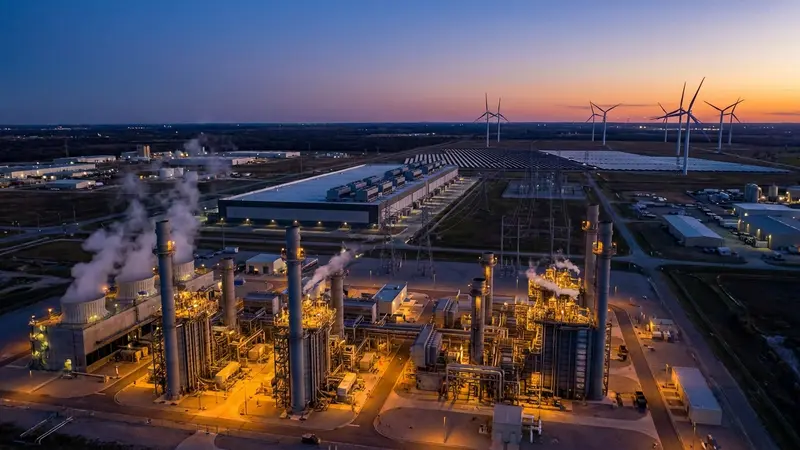
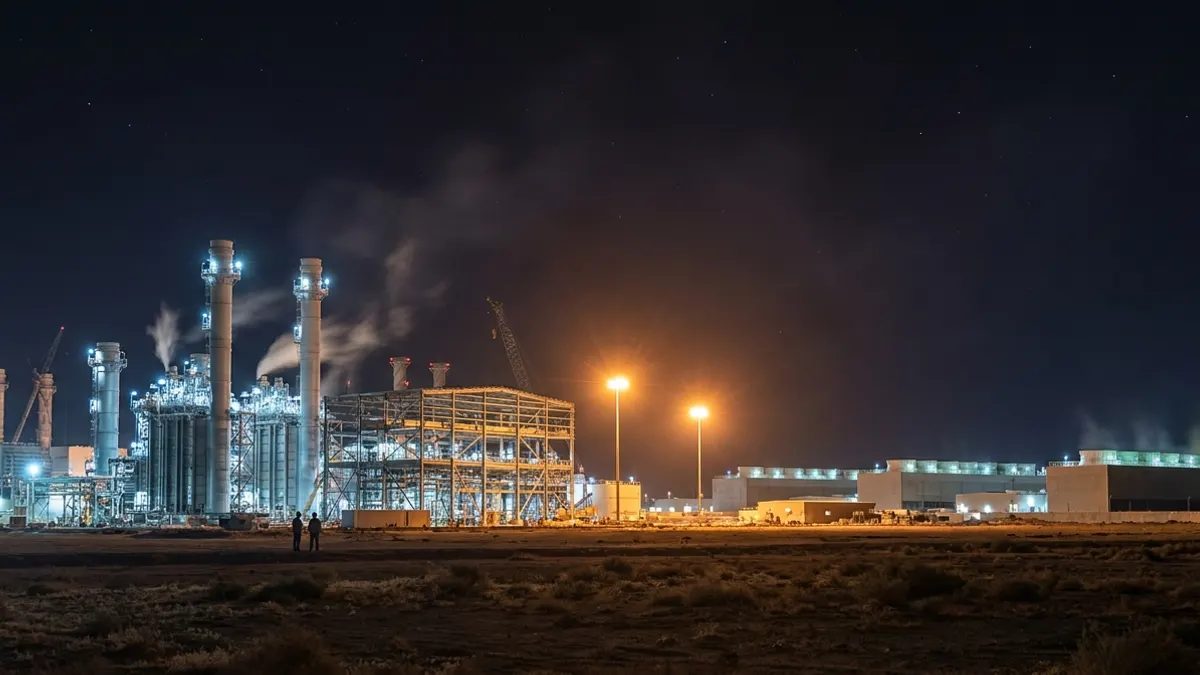
The EPA’s repeal of federal greenhouse-gas standards for fossil-fuel power plants is set to accelerate a fresh wave of gas-fired generation projects, Oil & Gas Journal reports, as electricity demand from data centers, manufacturing, and other energy-intensive users keeps climbing faster than the grid can supply it.
Background
The US Environmental Protection Agency finalized the repeal on Sept. 14, scrapping Biden administration greenhouse-gas standards that had applied to fossil-fuel-fired power plants, according to Oil & Gas Journal. EPA estimates the move will generate more than $300 billion in cost savings over 20 years. The agency made the announcement at the G20 Energy Ministers’ Meeting in Houston and simultaneously floated a proposal to eliminate the remaining federal greenhouse-gas requirements for fossil-fueled power plants, a step that would make it harder for a future administration to reinstate similar climate rules under the Clean Air Act.
EPA Administrator Lee Zeldin said the rollback would clear the way for new generating infrastructure, per the outlet. The Edison Electric Institute has previously argued that new gas-fired generation is essential for baseload and peaking power, grid reliability, and balancing intermittent renewables, and that utilities need a stable greenhouse-gas framework before committing capital to new plants.
The timing lines up with a documented surge in gas-fired development. Global Energy Monitor reported in August that US gas-fired power capacity in development rose 50% in the first half of 2026 to 378 GW, with 189 GW of that tied directly to data-center demand, Oil & Gas Journal notes. EIA data cited in the report show power-sector natural gas consumption climbing 31% to an average 35.8 bcfd in 2025, up from 27.3 bcfd in 2016. EIA now forecasts record US electricity use in both 2026 and 2027, and expects total US gas consumption to hit 92.2 bcfd in 2026 and 94.3 bcfd in 2027, up from 91.9 bcfd in 2025.
Environmental and public-health groups, including the Environmental Defense Fund and Earthjustice, have said they will challenge the repeal in court, according to the outlet.
Analysis
The regulatory calculation for gas-plant developers just got simpler. Removing federal greenhouse-gas compliance obligations takes a major cost and engineering variable out of project planning, which matters most for projects that were sitting in FEED or early permitting while sponsors weighed emissions-control costs against uncertain future rules. With EPA’s own $300 billion savings estimate now attached to the rollback, expect utilities and independent power producers to move stalled projects into procurement faster, and expect new project announcements to lean harder on natural gas rather than hybrid renewable-plus-storage-plus-gas configurations that were partly designed around compliance flexibility.
The scale of the pipeline already in development, 378 GW as of mid-2026 with roughly half tied to data centers, is the more important number for field services companies than the regulatory headline itself. Not every megawatt in that development queue will get built, but even a fraction converting to actual construction represents a multi-year wave of plant work layered on top of already-rising gas consumption. EIA’s forecast of record gas demand in 2026 and 2027 suggests utilities aren’t betting on a short-term demand blip; they’re planning for sustained load growth from AI and manufacturing that requires firm, dispatchable capacity gas plants provide.
The litigation threat from EDF and Earthjustice is a real risk factor, not a formality. Owners will need to decide whether to proceed with engineering and procurement while a court challenge is pending, which could create a start-stop rhythm in awards over the next 12 to 24 months rather than a smooth ramp. Subcontractors should treat early RFPs as real but be prepared for schedule slippage tied to the legal process.
Beyond the plants themselves, more gas-fired generation means more pressure on pipeline and storage infrastructure, particularly in regions where power plant and data-center buildout is outpacing existing takeaway capacity, per the source. That points to parallel work in midstream construction alongside the generation buildout itself.
What It Means for Subcontractors
- Mechanical, electrical, and civil subs should start qualifying with EPC firms and utility-affiliated developers now, since gas-plant awards tend to move from FEED to construction packages quickly once a regulatory barrier clears.
- E&I and pipefitting crews should watch for subcontract packages tied to the data-center-linked share of the 378 GW development pipeline (189 GW per Global Energy Monitor), concentrated where large load users are locating near existing gas infrastructure.
- HDD, welding, and pipeline construction crews should track midstream project announcements in regions where new gas plants are outpacing existing pipeline and storage capacity, as noted in the EIA consumption data cited by Oil & Gas Journal.
- Firms bidding gas-plant work should build contingency language into proposals for potential delays tied to the EDF and Earthjustice court challenge rather than assuming a clean, uninterrupted construction schedule.
- Lock in labor and equipment pricing now, ahead of an anticipated construction wave that could tighten crew and material availability.