EIA: US Battery Storage to Reach 91.7 GW by End of 2027
Utility-scale battery storage is on track to grow by more than 25 GW in 2027, reaching 91.7 GW installed, Utility Dive reports, citing the U.S. Energy Information Administration’s November outlook.
Market Impact
EIA’s Short-Term Energy Outlook, published Nov. 10, 2026, projects record U.S. generation of almost 4,390 billion kWh this year, up 2.7% from 2025. EIA attributes the growth to commercial-sector demand and cooling needs from a warmer-than-average summer. It says the increase is met primarily by renewables.
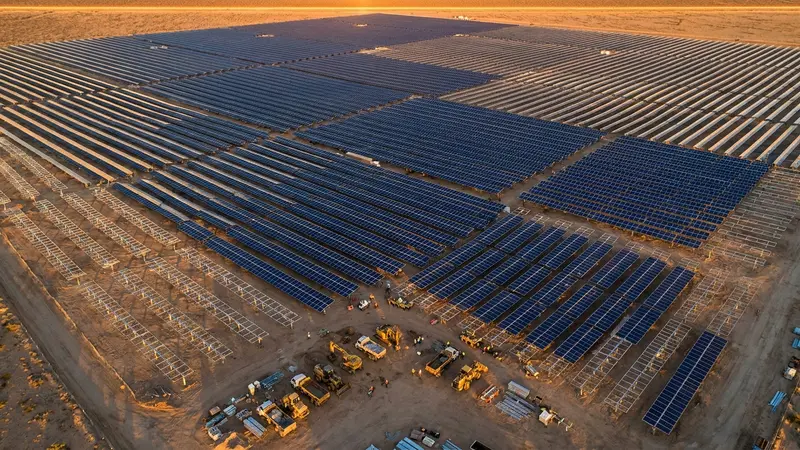
Utility-scale solar’s share of generation is forecast to rise from 7% in 2025 to 8% in 2026 and nearly 10% in 2027. Wind goes from 11% to 12% by 2027. Solar and wind are expected to add about 72 GW and 20 GW of new capacity, respectively, this year and next. Gas holds near 40% in 2026 and 2027, and nuclear averages 18%. Coal falls from 17% in 2025 to 15% by 2027, with 13 GW scheduled to retire by the end of next year. EIA expects coal consumption to drop another 5% in 2027, driven by a 19% decline in natural gas prices for power plants and more wind and solar.
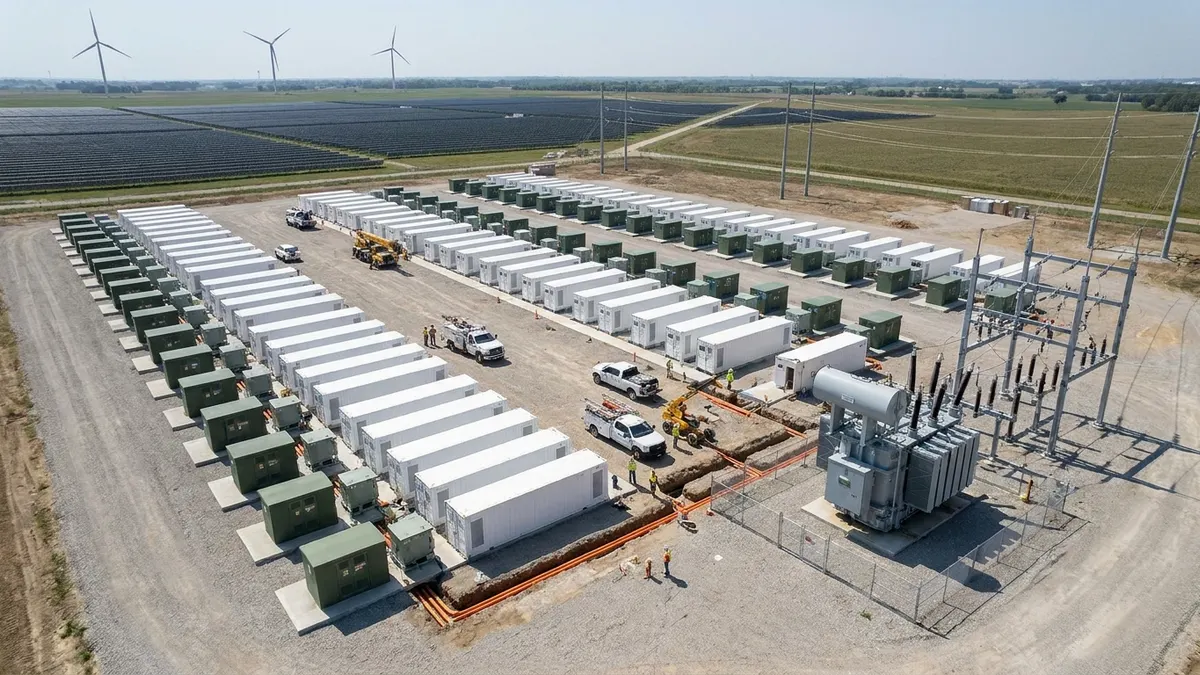
Storage capacity of 1 MW or greater climbs from 28.9 GW in Q1 2025 to 66 GW by the end of 2026, then to 91.7 GW by the end of 2027. That is nearly 40% growth over expected 2026 totals.
What It Means for Subcontractors
- Size the storage pipeline. The gap between 66 GW and 91.7 GW is about 25.7 GW in 2027, or roughly 2.1 GW per month (25.7 ÷ 12) and 6.4 GW per quarter. EIA counts systems of 1 MW or larger and does not give a site count. As an illustration (our assumptions, not EIA’s), at an average of 100 MW per site that is about 257 projects (25,700 ÷ 100). At 50 MW it is about 514, and at 200 MW about 129. Electrical subs should plan for somewhere between 130 and 500 energizations nationally.
- Storage interconnects and substations. Each site needs a point of interconnection, step-up transformers, breakers, protection and controls, and medium-voltage cabling. Under the 100 MW illustration, that is about 257 interconnect packages in 2027. Prime these in H1 2027 if you want to be in the mix for commissioning-year work.
- Collector lines for solar and wind. The 72 GW of solar and 20 GW of wind, about 92 GW combined across this year and next, drive collector-system, overhead and underground MV, and substation scopes. Pitch to EPCs now for 2027 construction starts.
- Coal retirements. Thirteen GW is scheduled to retire by the end of 2027. The source does not say which plants or whether storage will replace them, so treat any reuse of those sites as unconfirmed.
- Commercial and industrial load. EIA expects robust C&I demand to continue next year, partly offset by lower residential demand from milder summer weather. Commercial service upgrades and distribution work are more likely to hold up than residential.
The source does not name projects, developers, states or procurement stages. Subs should confirm details with EPCs and utility interconnection queues directly.