How Solar EPCs Became Field Operations' AI Leaders, and What That Means for Pipeline and Utility Subs
According to Solar Power World, solar engineering, procurement, and construction firms have adopted automated construction monitoring more quickly than any other segment of the construction economy, and they did it without much fanfare from the broader industry. The argument comes from Michael Mazur, CEO of AI Clearing, an AI-based construction monitoring company, writing in Solar Power World. Mazur’s position is that solar isn’t just an interesting case study — it’s a leading indicator of how AI adoption will unfold across the rest of the infrastructure economy. Readers should weigh that his company operates in this space, though the industry patterns he describes are consistent with broader market trends.
Background
The shift, according to Mazur, wasn’t driven by solar EPCs being unusually adventurous or tech-forward. It was driven by structural conditions that made traditional, manual verification methods mathematically impossible at utility-scale solar sites.
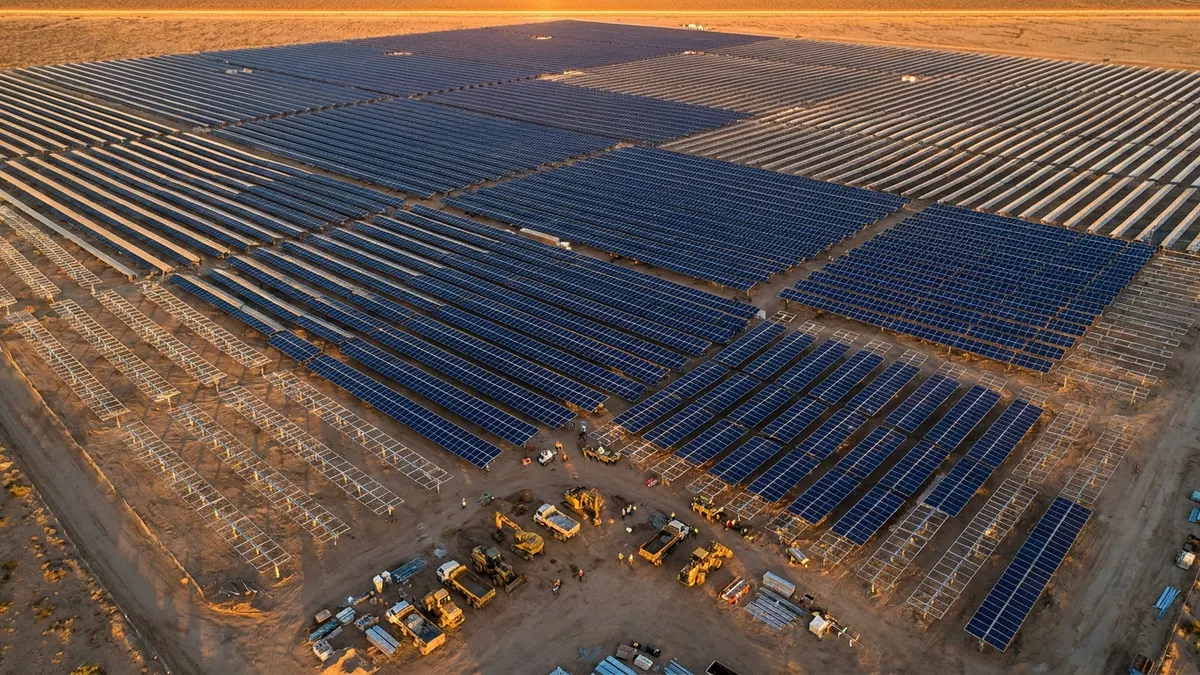
The first is geographic scale. A utility-scale solar project routinely exceeds 1,000 acres, with many sites pushing past 3,000. Superintendents walking sites with clipboards can verify only a small percentage of installed components over several days, and by the time they finish, the crew has already moved on. Drone-based imagery solves the data capture problem but creates a new one: no team has the bandwidth to manually review tens of thousands of high-resolution images per week.
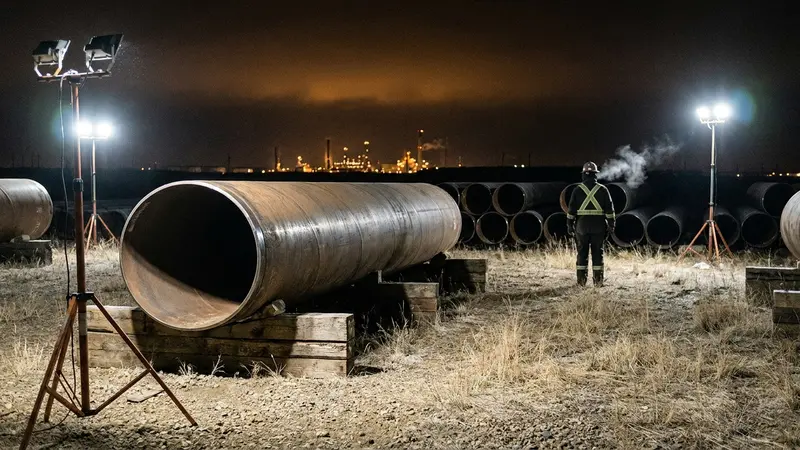
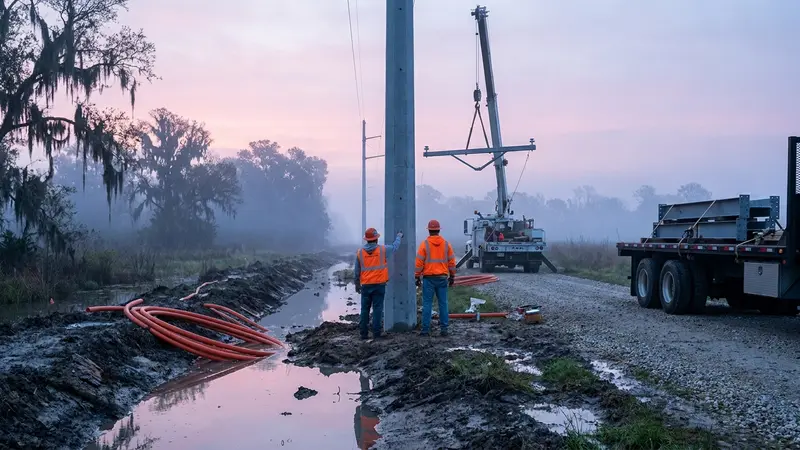
The second condition is component replicability. Solar sites consist of a finite set of components, including piles, torque tubes, modules, trackers, inverters, and combiner boxes, installed in highly regular, repeating patterns. That repetition is precisely what makes automated anomaly detection viable. A system trained on what a properly installed component looks like can flag deviations at scale. This is the same structural characteristic shared by pipelines (repeated welds and coatings across hundreds of miles), transmission lines (repeated tower and conductor spans across a corridor), and highways (repeated pavement sections across a route). Vertical construction, by contrast, is bespoke by nature, which is why automated verification is harder to apply there.
The third condition follows from the first two: data volume. Sites generating tens of thousands of images per week require processing capacity that no manual review team can match. That same pressure, scale combined with high-frequency data capture, is now appearing in data centers, battery storage, and HVDC transmission projects, sectors that share solar’s combination of geographic spread and repeating component types.
Why This Matters Beyond Solar
What Mazur is describing is a technology adoption pattern that field operations professionals across the energy and infrastructure sectors should recognize. The conditions that made manual verification unworkable in solar, scale, repetition, and data volume, are not unique to solar. They are foundational characteristics of pipeline, transmission, and large civil infrastructure work.
The implication is significant. Solar EPCs have spent years building operational muscle around AI-assisted progress verification. They’ve worked through the implementation friction, trained their field teams, and integrated drone capture workflows into daily site operations. That experience gap is real and growing.
For subcontractors in pipeline and utility work, the competitive risk isn’t abstract. As the same technology platforms that proved themselves on solar sites get adapted for pipeline coating inspection, transmission line construction monitoring, and large civil earthworks, the operators and prime contractors who deploy them will have productivity and documentation advantages over those still running manual processes. Asset owners and project owners who have seen what automated verification looks like on a solar site will start expecting similar capabilities from their other contractors.
There’s also a safety dimension worth noting. Automated, systematic monitoring of large sites means anomalies, whether a missed weld, an improperly installed component, or a site condition that has drifted from spec, get caught earlier. That has direct implications for incident prevention and contractor liability exposure.
The broader point Mazur makes is that solar forced this transition not because the sector was eager to experiment, but because the math left no other option. When your site is 3,000 acres and your schedule doesn’t allow days for a manual walkdown, you adopt tools that work or you fall behind. That same math is arriving in other infrastructure sectors.
What It Means for Subcontractors
- Manual verification is becoming a competitive liability. If you’re still relying on clipboard-based progress tracking on large linear or repetitive-construction projects, understand that your competitors may already be running automated monitoring. The productivity gap compounds over a multi-month project.
- Drone capture is table stakes. Processing is the actual capability. Collecting imagery without the ability to analyze it at volume doesn’t solve the problem. Evaluate platforms that combine capture with automated anomaly detection, not just data collection.
- Pipeline and transmission subs are next. According to Solar Power World, the same structural conditions driving AI adoption in solar