
Data Centers Push Megaprojects Past 25% of U.S. Nonresidential Spend
The Journal of Commerce details how economists at a Nov. 12 ConstructConnect webinar called U.S. data-center growth unprecedented, with megaprojects now taking more than one of every $4 nonresidential construction dollars.
Market Impact
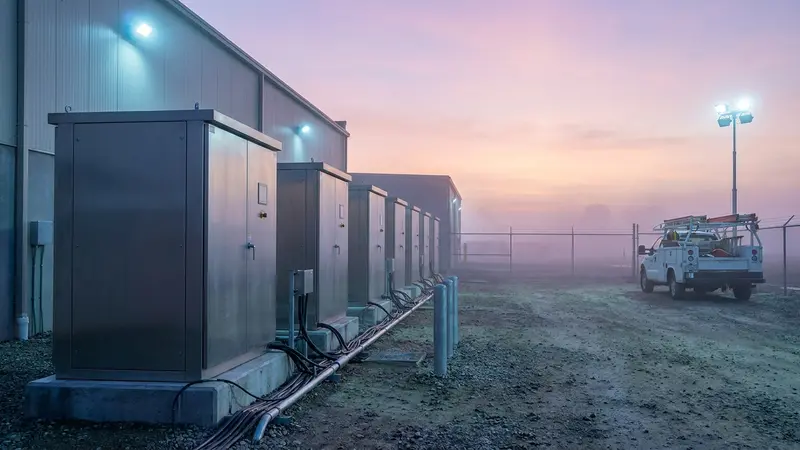
ConstructConnect chief economist Michael Guckes said the first $1 billion data center broke ground in 2022. The first project above $3 billion followed in 2024, and the first $10 billion project came the next year. January alone saw more data-center starts than all of 2024, and campuses of $50 billion or more are now breaking ground. Before COVID, megaprojects took about 10% to 12% of nonresidential dollars. One example is Skybox Datacenters and Prologis’ planned PowerCenter Austin, a 600-megawatt campus with up to four million square feet of space.
AIA chief economist Richard Branch said overall spending stays slow. Nonresidential building spending is forecast to fall 0.3% in 2026 and rise 3% in 2027. Commercial is forecast up 4.8% in 2026 and 5.8% in 2027, largely because of data centers. Industrial is forecast down 11.6% in 2026 and 0.6% in 2027. Office is expected to fall 5% and 4% this year and next. Warehouse is forecast down 1.7% in 2026 and up 1.4% in 2027.
Costs are squeezing margins. ConstructConnect’s Kristy O’Brien said steel and aluminum imports have faced 50% tariffs since June 2025. Construction material prices are up 11.0% year-over-year, the fastest rise since May 2022, and bid prices are up 5.4%. Branch expects roughly another 50 basis points of Fed rate hikes over the next year. AGC chief economist Ken Simonson named tariffs, immigration enforcement, federal deficits and interest rates as the four major risks.
O’Brien said Texas leads data-center construction, followed by Virginia, North Carolina, Arkansas and the Midwest. She cited power and water availability, public response and cost of capital as constraints. Branch expects a flat 2028 rather than a collapse if moratoriums spread.
What It Means for Subcontractors
- Electrical and mechanical: Data centers are the growth segment, but the Texas, Virginia, North Carolina and Arkansas concentration means backlog can pile up in a few markets. Set a cap on data-center share of backlog now, because Branch’s 2028 outlook is flat, not rising.
- Civil and site work: Industrial is forecast down 11.6% in 2026 and warehouse down 1.7%. Sub crews that relied on those sectors should pursue campus site packages, particularly in Texas, where PowerCenter Austin shows the scale of a 600 MW build.
- Pricing and bids: With materials up 11.0% and bid prices up 5.4%, build escalation clauses into proposals for any steel- or aluminum-heavy scope. The 50% tariffs have been in place since June 2025, so don’t assume relief.
- Power and water constraints: O’Brien named power and water availability as limits on data-center growth. Before committing crews, ask owners for confirmed utility interconnection and water supply status on each campus.
- Labor: Simonson flagged tighter immigration enforcement as a labor risk. Lock in skilled crews for 2027 starts now, since nonresidential spending is forecast to rise 3% that year.
- Financing: Guckes said data centers have ample capital for now. Rate hikes still make non-data-center work harder to finance, so require payment terms and retainage limits on private-sector jobs outside the sector.