Crude Jumps 11% as Iran Conflict Reignites Supply Fears
September WTI crude posted its strongest weekly gain in months, rallying more than 11% as renewed fighting between the United States and Iran pushed prices from near $72.50 to above $80, OilPrice.com reports. The rally reversed two weeks of declines that had followed optimism over improving oil flows through the Strait of Hormuz. New U.S. airstrikes on military facilities near Iran’s southern coast, followed by Iranian missile and drone attacks on U.S. positions in the region, renewed concerns over potential disruptions to Persian Gulf exports. Iran also threatened to interfere with shipping through the Strait of Hormuz and, via allied Houthi forces, the Red Sea. Since roughly one-fifth of the world’s seaborne crude moves through the Strait of Hormuz, traders quickly priced in the risk of tighter supply. The U.S. Energy Information Administration added fuel to the rally, reporting a 1.7-million-barrel draw in crude inventories, larger than analysts expected, along with a decline in gasoline stocks.
What It Means for Subcontractors
- A sustained move above $84.53 a barrel, the level OilPrice.com’s technical analysis flags as the next resistance zone, would signal operators are shifting from short-covering to genuine buying, a scenario that typically precedes upstream operators releasing new drilling and completions budgets.
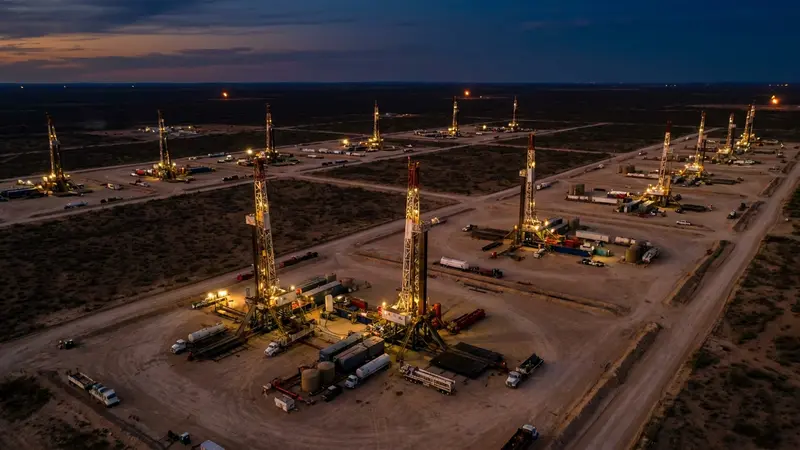
- Field service firms in the Permian, Bakken, and Gulf Coast should watch whether operators treat this as a durable price floor or a geopolitical spike likely to fade; E&P capex commitments tend to lag price moves by one to two quarters, so contract award activity from this rally may not surface until late 2026.
- Firms bidding wellsite, completions, or trucking work should factor in that domestic crude production has held near record levels even through the price swing, meaning any capex acceleration is more likely to fund incremental activity than a broad drilling ramp.