Constitution Pipeline Gets $42M in Defense Production Act Funds
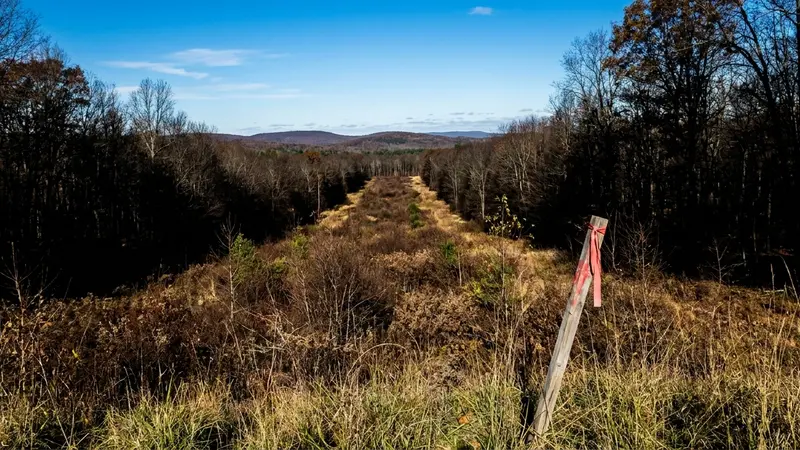
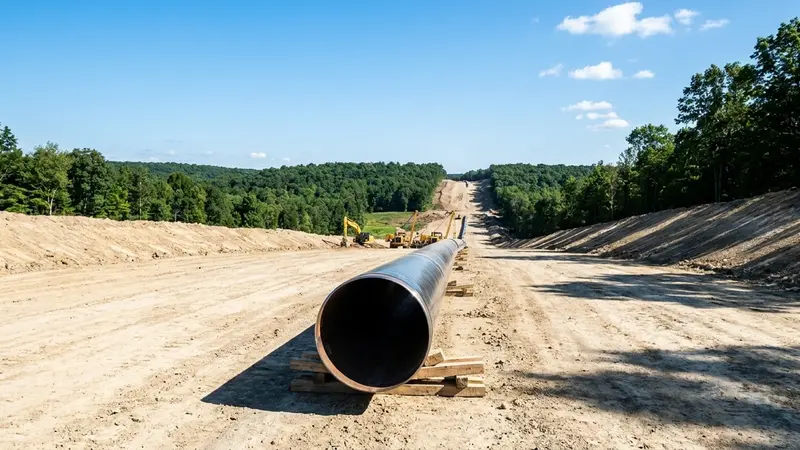
Pre-construction work on the 125-mile Constitution Pipeline just received $42 million in Defense Production Act money, Oklahoma Energy Today reports. The funds go to Williams’ project moving gas from Pennsylvania to New York.
Market Impact
The money comes from the DPA Title III program. Oklahoma Energy Today says the Tulsa-based Williams has spent years fighting for approval of the line. Energy Secretary Chris Wright framed the pipeline as a fix for limited gas access in New York and New England, and said it would reduce blackout risk during peak electricity demand.
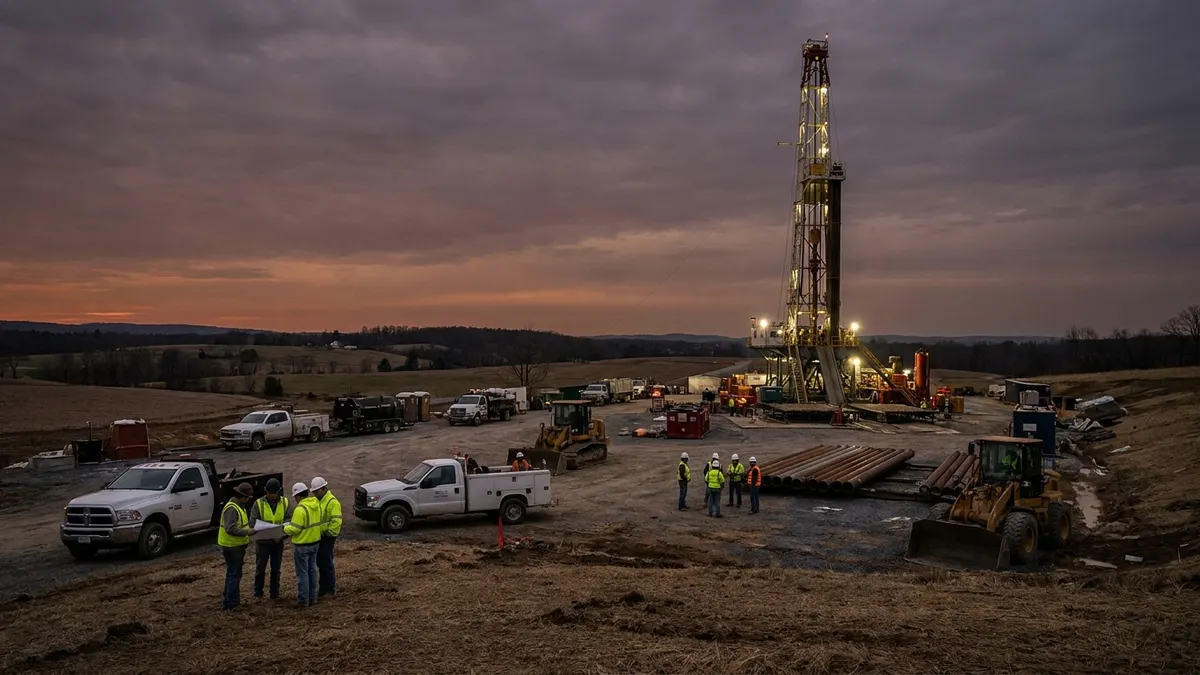
Project stage: pre-construction and permitting. The source says the funds support eligible pre-construction and permitting activities, including environmental reviews and assessments, engineering, site-preparation work and other costs tied to regulatory approvals. After permits are completed, the money can also support complementary natural gas infrastructure. The source does not name an EPC contractor, a construction schedule or an in-service date.
The funding draws on $1 billion in federal money appropriated for energy projects deemed critical to national security. Presidential Determination No. 2026-12 identifies natural gas pipelines, processing and storage as essential to national defense. The report also cites a late-September poll, reported by Empire Report, showing 61% of New York voters favorable toward natural gas and 61% to 24% in support of building more supply infrastructure in the state.
What It Means for Subcontractors
- Survey, environmental and engineering crews: These are the scopes the source explicitly lists as fundable now. Our inference is field survey, environmental assessment support and geotechnical work along the 125-mile corridor. Send capability statements and state-specific credentials for Pennsylvania and New York to Williams’ project team this quarter.
- Site prep and ROW clearing: The source lists “site-preparation work” as eligible, so early clearing, access and staging scopes could be packaged ahead of full construction. Construction itself still depends on permits. Do not commit spread crews to 2027 dates until permits are issued.
- Pipe, coating and materials suppliers: The source does not mention procurement. If the project advances, our inference is that pipe, coating and fittings orders come early in the sequence. Call Williams’ procurement group this quarter and ask how to get on the approved vendor list.
- Find the EPC and spread contractors: None is named in the source. Ask Williams’ construction or project group who holds, or will bid, the EPC and spread packages. Then contact those firms about subcontract prequalification (safety stats, insurance, equipment lists) while scopes are still forming.
- Permit risk: Funding is not approval. Williams has pursued this project for years, and the DPA money covers permitting itself. Price any early mobilization with that in mind.
- Post-permit facilities: The source says DPA funds can later support “complementary natural gas infrastructure.” Mechanical, electrical and instrumentation firms should ask Williams what that includes and when scopes will be defined.