ConocoPhillips Locks In 30-Year North Slope Gas Deal for Alaska LNG Phase One
According to World Oil, Glenfarne Group and ConocoPhillips Alaska have signed a 30-year gas sales precedent agreement supporting Phase One development of the Alaska LNG project, adding a long-term North Slope supply commitment to the proposed pipeline system.
Market Impact
The agreement brings Alaska LNG to a significant milestone: Glenfarne now has supply arrangements in place with all three major North Slope producers. ExxonMobil, Hilcorp, and ConocoPhillips have all committed gas volumes, along with Great Bear Pantheon LLC, a subsidiary of Pantheon Resources.
“All major North Slope producers have now committed enough natural gas to support a Phase One final investment decision,” said Adam Prestidge, president of Glenfarne Alaska LNG. ConocoPhillips Alaska President Erec Isaacson said his company sees the project as a long-term opportunity to support development of Alaska’s natural gas resources while strengthening regional energy security.
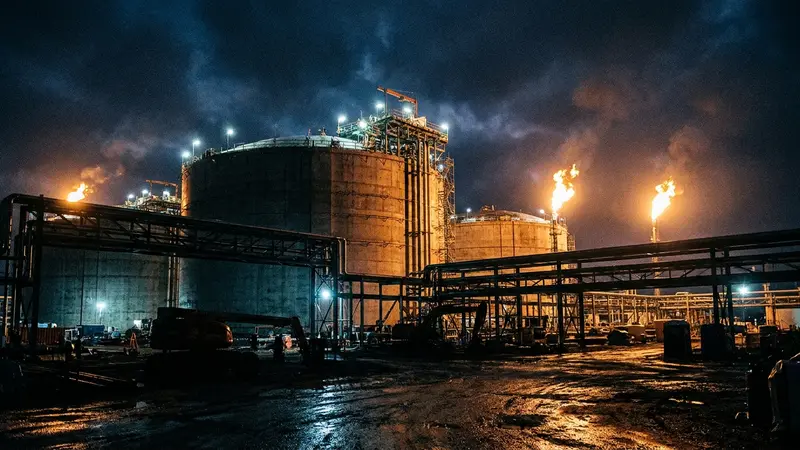
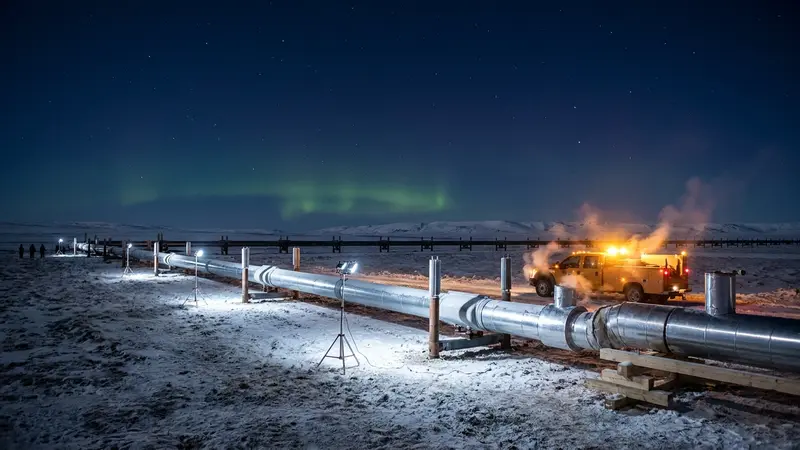
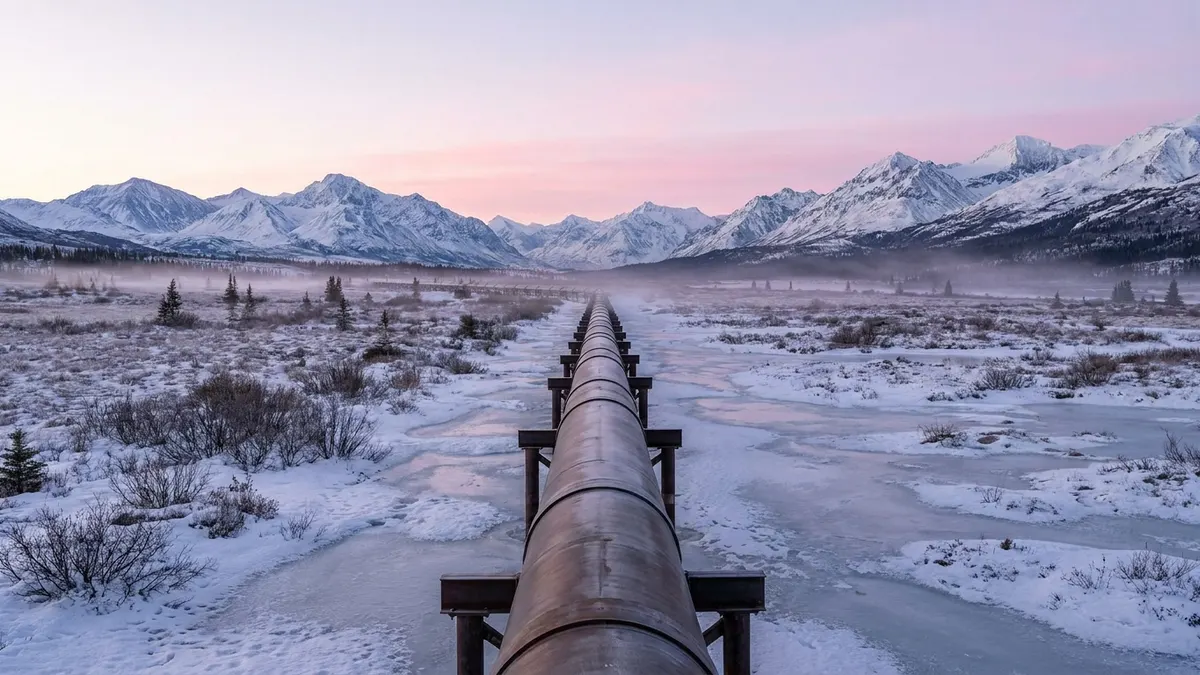
Phase One centers on construction of a 739-mile, 42-inch pipeline designed to transport North Slope gas to Alaska consumers, addressing declining natural gas production from Cook Inlet. Phase Two would add LNG export facilities in Nikiski. According to Glenfarne, the committed gas volumes are sufficient to support a Phase One final investment decision and meet projected in-state energy demand.
What It Means for Subcontractors
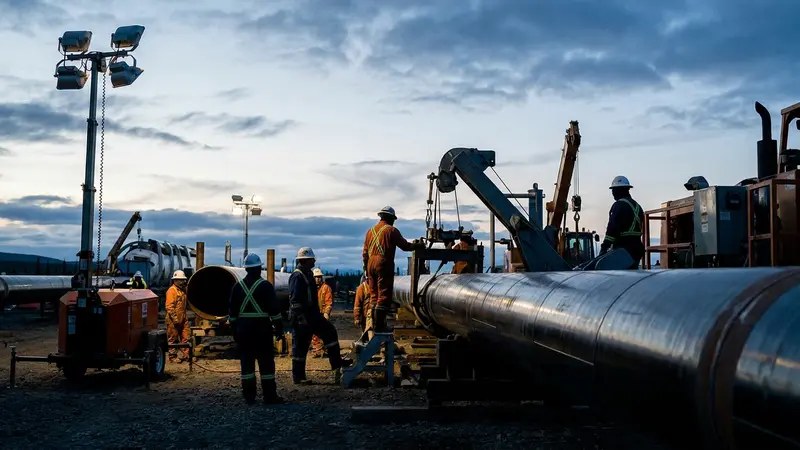
- A final investment decision on a 739-mile, 42-inch pipeline is a major potential workload. Pipeline contractors, right-of-way crews, welding outfits, and inspection services should be tracking this project closely and positioning now.
- The completion of gas supply agreements with all major North Slope producers removes a key pre-FID uncertainty. Subcontractors who waited for commercial clarity before pursuing Alaska relationships have a cleaner signal to act on.
- Phase Two LNG export facilities in Nikiski represent a second wave of potential construction and mechanical work. Companies with LNG facility experience should monitor the Phase One timeline as an indicator of when Phase Two procurement may begin.
- Alaska projects carry logistical complexity and specific workforce requirements. Subcontractors without existing Alaska operations should factor mobilization costs and local hire considerations into any early business development planning.