California Appeals Court Upholds Block on Sable Offshore Pipeline Repairs
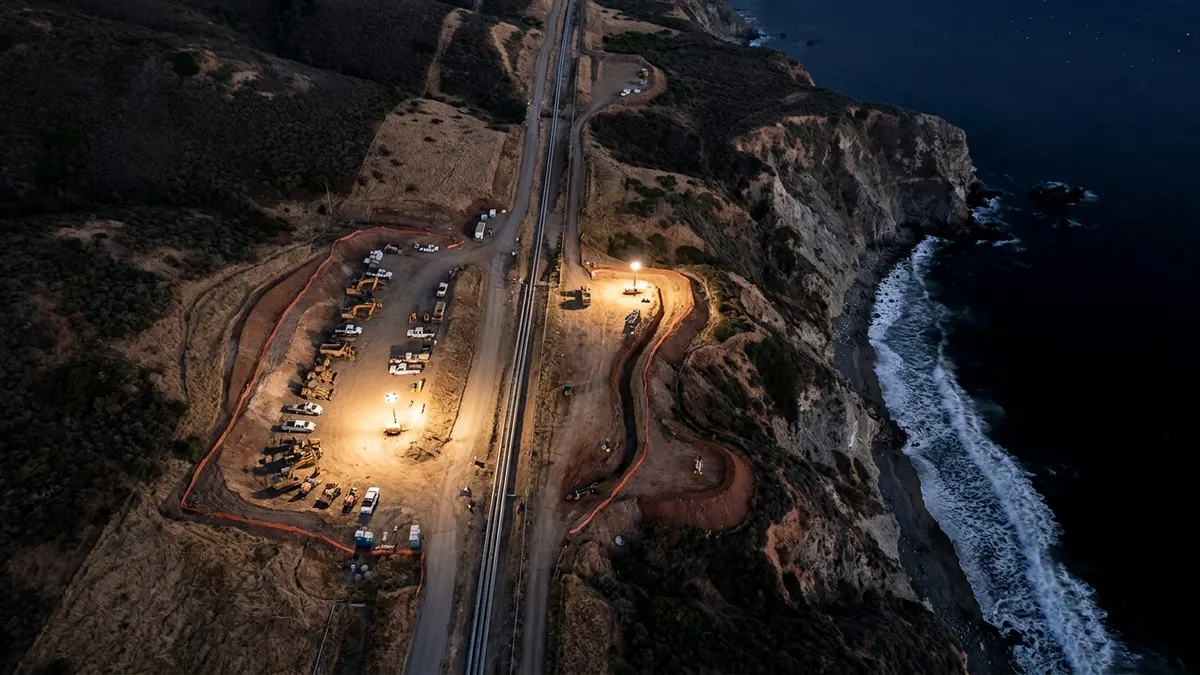
According to Pipeline Technology Journal, which cited reporting from the New York Post, a California appeals court has upheld an injunction blocking Houston-based Sable Offshore Corp. from continuing repair work on a critical pipeline network along the Gaviota Coast in Santa Barbara County.
What Happened
The California Second District Court of Appeals ruled that the California Coastal Commission acted within its authority when it issued cease-and-desist orders against Sable’s infrastructure work on pipelines CA-324 and CA-325. Those lines connect offshore platforms in the Santa Ynez Unit to onshore processing facilities and out-of-region refineries.
The pipeline has a troubled history. In 2015, Pipeline 324, then owned by Plains All American Pipeline, ruptured and caused the Refugio oil spill. The system changed hands to ExxonMobil and sat idle before Sable acquired it in 2024 with plans to restart production. Sable argues its subsidiary, Pacific Pipeline Co., is authorized to perform repairs under coastal development permits originally issued in 1986. The Coastal Commission disagrees, saying the scope of work requires entirely new regulatory approvals.
The commission issued cease-and-desist orders in November 2024 and February 2025, and later fined Sable $18 million for continuing construction. The appellate court rejected Sable’s due process claims, ruling the company received a “full and fair opportunity” to argue its case. Coastal Commission Executive Director Kate Huckelbridge noted that violations are ongoing, leaving the door open for additional penalties, with further lawsuits still pending.
What It Means for Subcontractors
- Permit ambiguity is a real contract risk. Sable believed decades-old permits covered its repair scope. If the operator’s legal standing is challenged, subcontractors doing that work can face sudden stop-work orders with no immediate recourse.
- Cease-and-desist orders can land with little warning. The commission issued two separate orders over three months. Field crews and service companies need to know what triggers a work stoppage and who bears the cost when it happens.
- $18 million in fines signals aggressive enforcement. Regulators in California are willing to impose significant penalties while litigation is ongoing. Subcontractors should confirm that operators hold current, project-specific permits before mobilizing, not just legacy approvals.
- Watch your contract language. Force majeure and suspension clauses matter when regulatory action halts a project mid-execution. Review how your agreements handle payment and demobilization costs if a client’s permits are legally contested.