Building a Defensible Repair Plan for Fixed Equipment: What Maintenance Contractors Need to Know
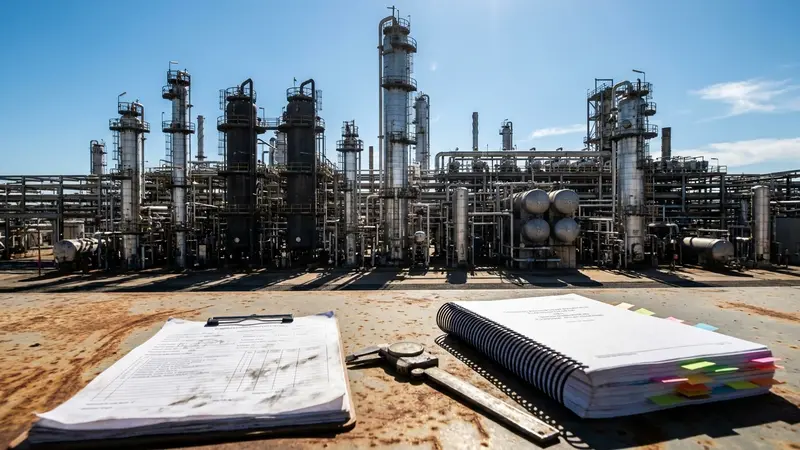
According to Inspectioneering Journal, a repair plan for fixed equipment in oil and gas facilities is not simply a work order. It is a structured document that translates inspection findings and engineering assessments into a safe, code-compliant, executable work scope. That distinction carries real consequences for contractors performing the work.
The article, authored by Travis Harrington, Senior Manager of Fixed Equipment, Fitness for Service, Enhanced Inspection and Maintenance at Chevron, appears in the May/June 2026 issue of Inspectioneering Journal. Harrington draws on three decades of experience to walk through how facilities should approach repair planning, from initial condition evaluation through execution controls and final documentation.
Background
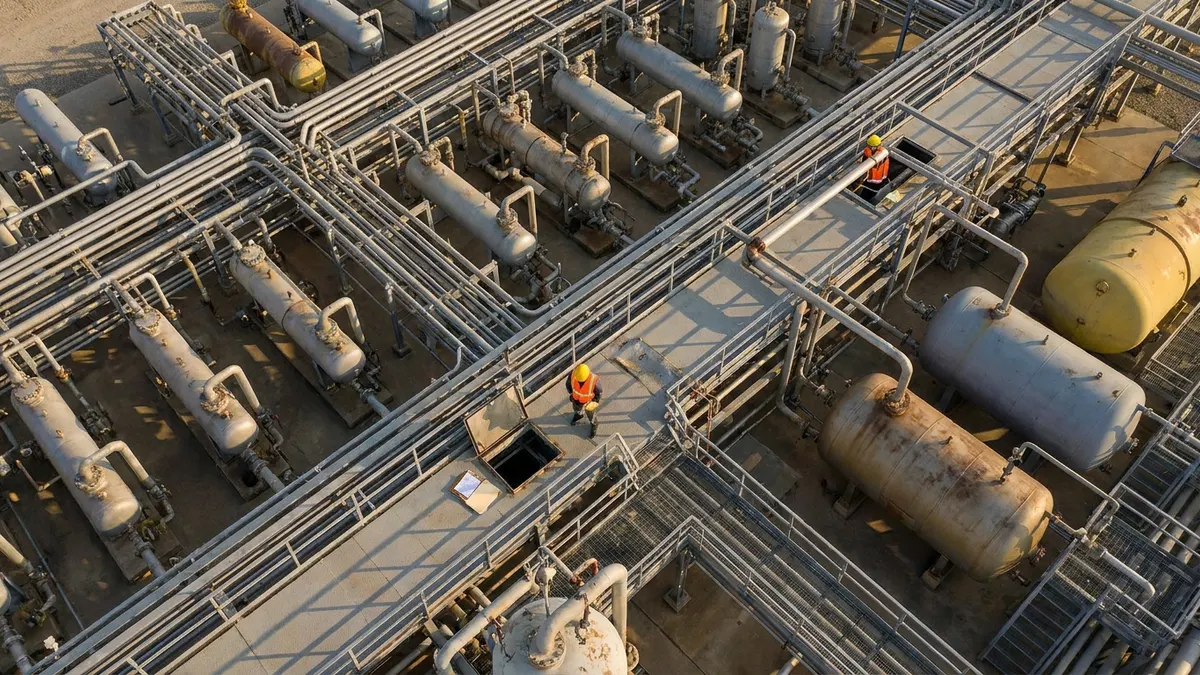
According to Inspectioneering Journal, repairs to fixed equipment, sometimes called static equipment, are governed by a combination of the original construction code, such as ASME, American Petroleum Institute in-service codes and standards, and ASME post-construction standards. Together, these define acceptable repair methods, required inspection steps, and documentation expectations.
Harrington notes that one of the foundational challenges in repair planning is distinguishing between a repair and an alteration. That distinction matters because the two categories carry different code requirements, different approval pathways, and different levels of engineering oversight. Getting that call wrong can create compliance exposure for everyone involved, including the subcontractor holding the wrench.
The article also introduces a practical mechanical integrity repair plan checklist designed to function as a decision gate, a structured checkpoint that confirms all required elements are in place before work proceeds.
Analysis
The governance problem Harrington is describing is one that shows up repeatedly on large facility turnarounds and maintenance campaigns. Repair scopes get issued to contractors without a fully resolved engineering basis. The repair-versus-alteration question is left ambiguous. Code compliance gets assumed rather than verified. And when something goes wrong, or an inspector raises a flag, the contractor is often the one standing in the gap between a clear work order and a defensible answer.
What Harrington is advocating for is a front-end process that closes that gap before work starts. A repair plan, as he defines it, is not paperwork for its own sake. It is the mechanism by which inspection findings get converted into specific, code-grounded instructions. That means identifying the applicable construction code, confirming the repair method is permitted under in-service standards like API 510 for pressure vessels or API 570 for piping, and establishing what post-repair inspection is required to return the equipment to service.
For maintenance contractors and specialty welding firms working in refineries, gas plants, and processing facilities, this framing shifts the conversation. The question is not just “what needs to be fixed” but “what authorization exists for fixing it this way, under which code, with what documentation trail.” Facilities that lack a formal repair plan process often push those questions down to the field, where contractors are expected to execute without the governance foundation that should have been established upstream.
Harrington’s mention of a checklist as a decision gate is significant from a subcontractor risk perspective. A decision gate implies a stop point, a moment where work cannot proceed until specific criteria are satisfied. For contractors, that kind of structured checkpoint is actually protective. It means scope cannot be handed off without the engineering and code basis being resolved. That is a better operating environment than receiving a verbal work order and being expected to sort out the code compliance questions in the field.
The three-decade perspective Harrington brings also signals that this is not a new problem. Facilities have been navigating the repair-versus-alteration boundary for as long as these codes have existed. What changes over time is the complexity of aging equipment, the accumulation of previous repairs, and the regulatory scrutiny applied to process safety management. Each of those factors raises the stakes for getting the repair plan right.
What It Means for Subcontractors
-
Ask for the repair plan before mobilizing. If a facility cannot produce a documented repair plan that identifies the governing code, the approved repair method, and the required post-repair inspection, that is a scope clarity problem that should be resolved before your crew is on site.
-
Understand the repair-versus-alteration boundary. Work that crosses from repair into alteration territory requires a different level of engineering authorization. If your scope looks like it may involve design changes, material substitutions, or modifications to geometry, flag it early and get written confirmation of how the facility has classified the work.
-
Document everything. Code-compliant repair work is only defensible if the records exist. Inspection reports, material certifications, weld records, and post-repair inspection results are not administrative extras. They are the evidence that the work was done to the applicable standard.
-
Know which codes apply. ASME construction codes, API in-service standards, and ASME post-construction standards each play a role depending on the equipment type and the nature of the repair. If your team is not certain which standards govern a specific scope, that question belongs in the pre-job meeting, not after the work is complete.
-
Use decision gates as protection, not obstacles. A structured checkpoint before work starts is in your interest. It confirms the facility has done the engineering work required to authorize your scope, and it reduces the risk that you are executing work that lacks a proper technical and code basis.