Black & Veatch Survey: Aging Infrastructure and Staffing Gaps Signal Sustained Work Pipeline for Water Utility Subs
According to WaterWorld, Black & Veatch has released its 2026 Water Report, a survey of more than 600 water industry stakeholders nationwide, finding that aging infrastructure and workforce shortages remain the dominant challenges facing U.S. water utilities.
Market Impact
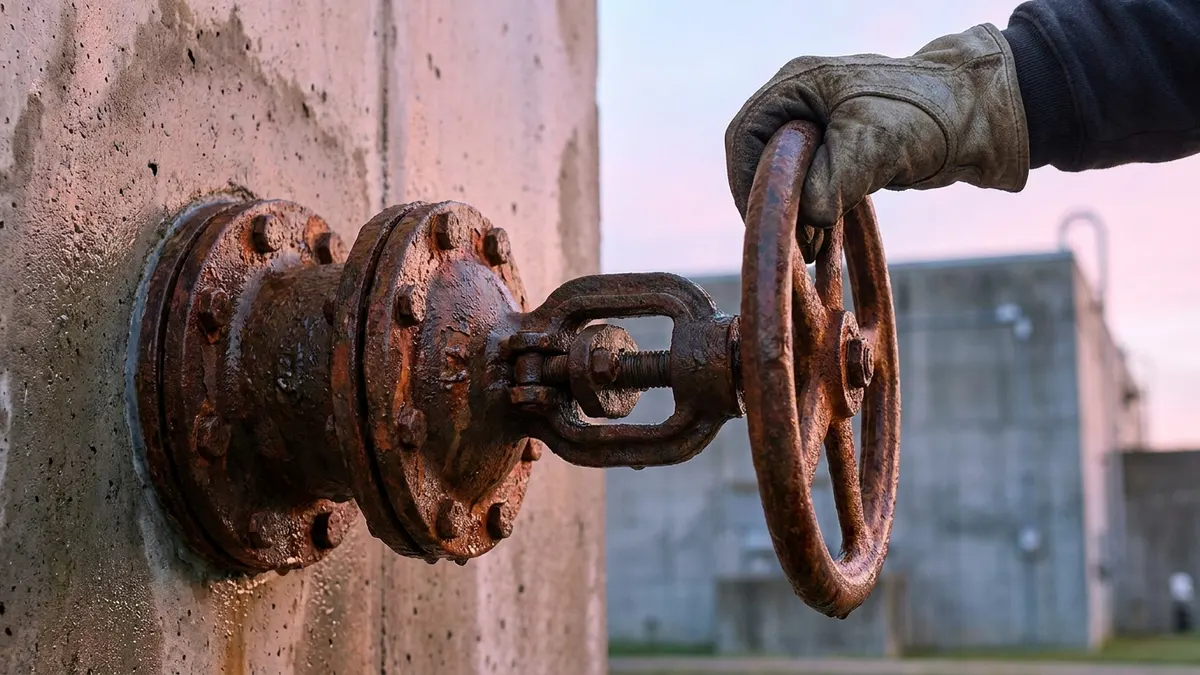
Now in its 15th year, the annual report paints a picture of mounting capital pressure across the sector. Sixty-six percent of respondents identified aging infrastructure as a top challenge, and 71% cited staffing shortages as a significant barrier to operations. Funding constraints are compounding the problem: 31% of respondents ranked capital availability as their primary concern, and 45% reported that available funding is unlikely to meet their capital investment needs over the next five to ten years.
Utility confidence in serving large industrial customers also slipped, falling from 73% in 2024 to 60% in 2026, a signal that growing demand from water-intensive industries is straining already-pressured systems. According to Black & Veatch Executive Vice President Donnie Ginn, utilities are increasingly moving toward integrated planning approaches that combine engineering, digital tools, and collaborative delivery models to improve system resilience. The report notes that lifecycle-based approaches aligning planning, design, construction, and operations are gaining traction as utilities look beyond traditional infrastructure strategies.
What It Means for Subcontractors
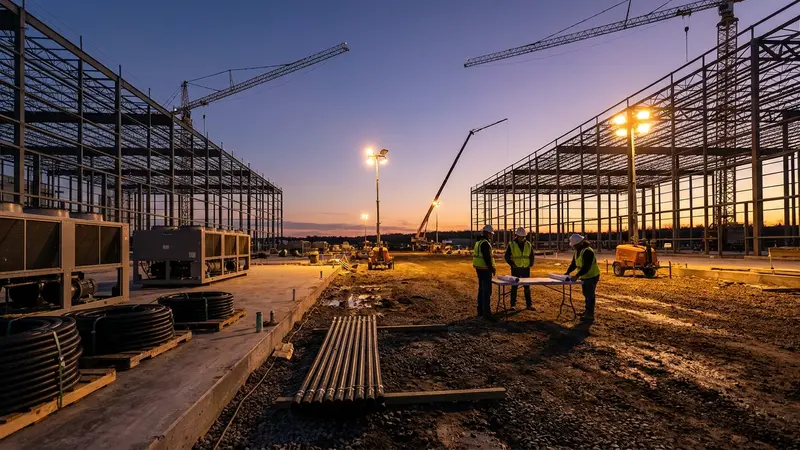
- Capital programs are backed up. With 45% of utilities saying funding won’t keep pace with investment needs over the next five to ten years, deferred projects will eventually come to market in concentrated waves. Subs who maintain utility relationships now will be better positioned when funding does flow.
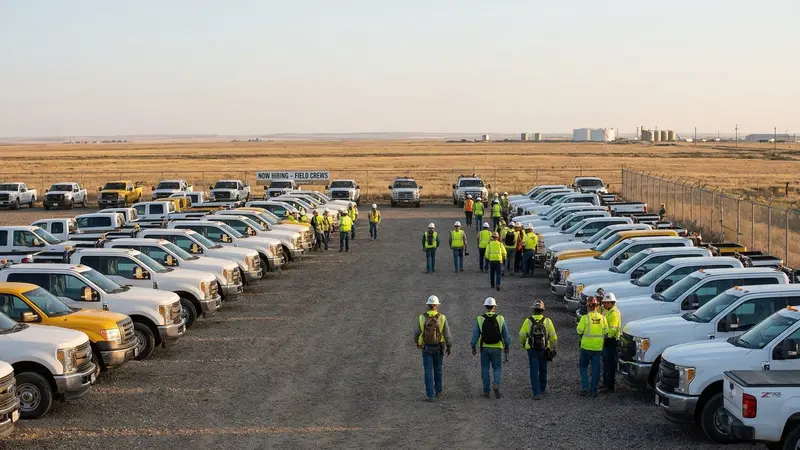
- Workforce gaps create openings. Seventy-one percent of utilities flagged staffing shortages as a significant barrier. Subcontractors who can provide skilled crews and self-perform work are more valuable to short-staffed utility clients than ever.
- Collaborative delivery is growing. The report highlights that utilities are turning to collaborative project delivery models. Subs should expect more design-build and integrated delivery structures on utility work, which rewards partners who engage early and bring construction input upstream.
- Cybersecurity work is a real line item. With nearly all respondents calling operational technology cybersecurity investment important, field service companies with OT infrastructure experience or utility system security capabilities have a clear opening in this market.