Alberta's Clearwater Oil Play Sparks Biggest Drilling Permit Surge Since 2014
A Bloomberg report via World Oil shows Alberta issued 1,764 drilling licenses between January 1 and June 12, the highest total for that period since 2014, with the Clearwater formation accounting for nearly one in five permits, the largest share on record.
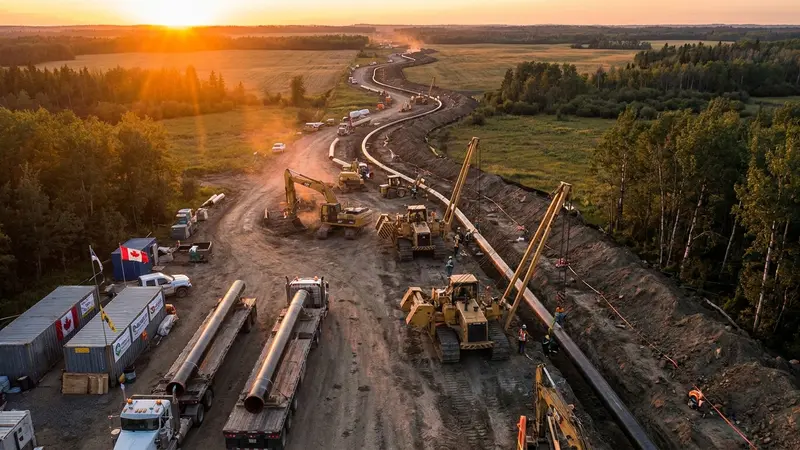
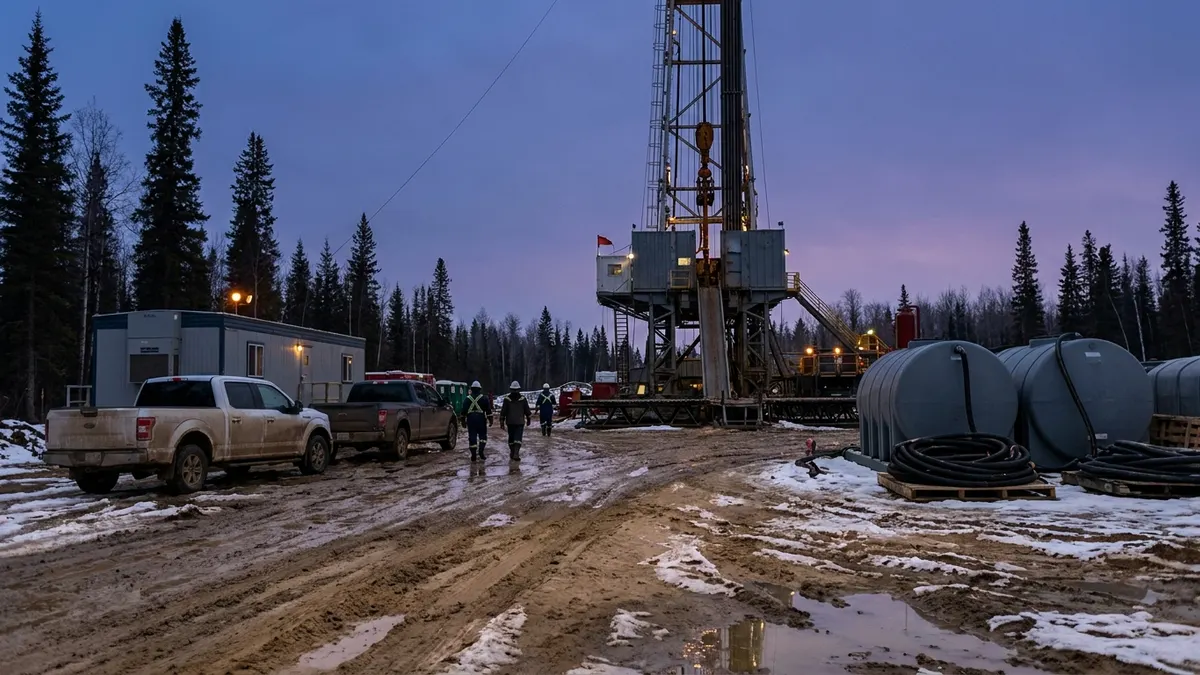
The Clearwater, located in the boreal forests of north-central Alberta, offers producers a lower-cost alternative to long-cycle oil sands projects. It can be brought online with conventional multilateral horizontal drilling rather than steam-assisted recovery, letting operators respond quickly to price swings like those triggered by the recent Iran conflict. Tamarack Valley Energy CEO Brian Schmidt said the play requires relatively little capital to start and called it unmatched among conventional plays.
Tamarack received 89 drilling licenses this year, 37 more than the same period in 2025, the largest increase of any Alberta operator, with 80 targeting the Clearwater. The company sold its Charlie Lake assets for C$804 million in May and raised its 2026 capital budget to between C$430 million and C$450 million. Headwater Exploration increased its budget to C$250 million from C$185 million and now expects 10% production growth this year, driven partly by expanded water injection programs.
What It Means for Subcontractors
- Drilling and completions crews, trucking outfits, and waterflood/water-injection service providers should expect steady wellsite work in the Marten Hills and Nipisi areas as Tamarack Valley and Headwater Exploration expand multi-well pad development through 2026.
- Multilateral drilling specialists and E&I contractors can target Tamarack’s 89-license program and Spur Petroleum’s Clearwater-heavy permitting as near-term bid opportunities, given both companies’ sharp year-over-year permit increases.
- Expect further consolidation among smaller private Clearwater operators, per Tamarack’s Schmidt, which could shift service contracts and vendor relationships as assets change hands, subs should track ownership changes to preserve existing service agreements.