Western Canada Oil Rig Count Hits 51% Above Ten-Year Seasonal High as Break-Up Ends Early
According to RBN Energy analyst Mike Dunn, Western Canada’s oil-directed rig count jumped 22 rigs in a single week, a 26% increase, bringing the total to 107 active rigs as of the week ending May 29, 2026. That figure is 51% above the prior ten-year seasonal high for this time of year, a benchmark that was itself set only in 2024. For subcontractors and field service companies operating in Alberta and Saskatchewan, that number signals one thing clearly: the competition for people, equipment, and services is intensifying fast.
Background
The surge follows a pattern that has been building through May. According to Baker Hughes data cited by RBN Energy, the active oil-directed rig count stood at 85 rigs for the week ending May 22, which was already 23% above the prior five-year seasonal high at that point. One week later, that count climbed to 107, eclipsing not just the five-year benchmark but the full ten-year one by a wide margin.
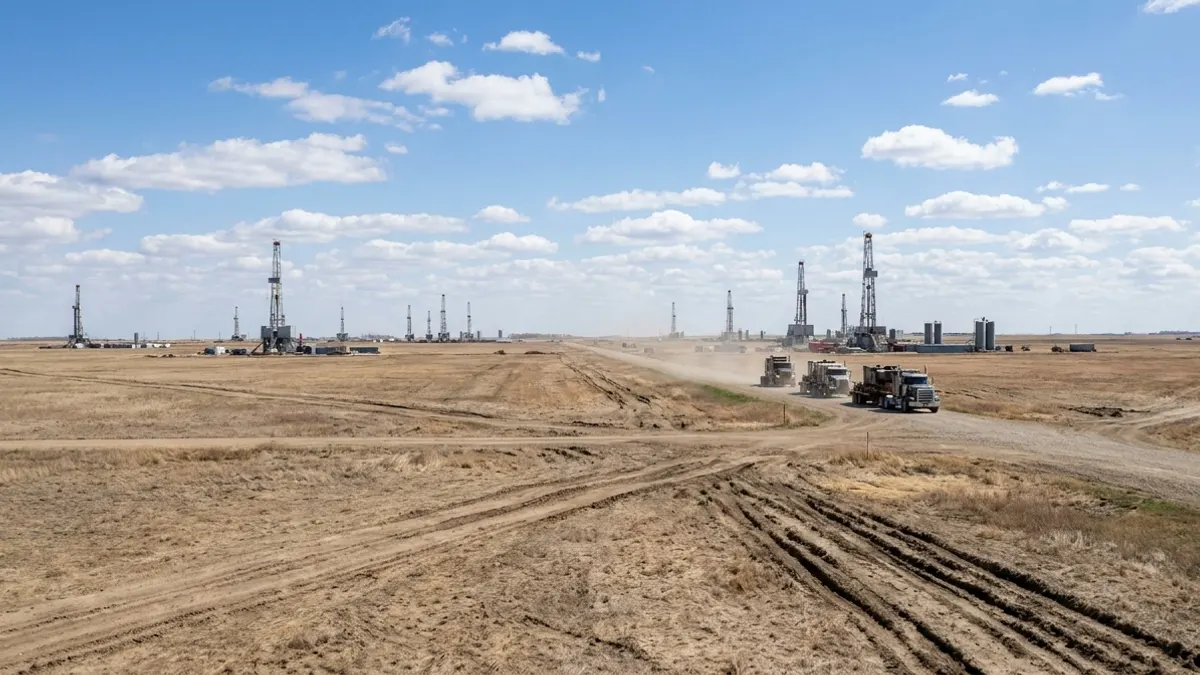
The regional breakdown tells a useful story for anyone trying to understand where the activity is concentrated. The 22-rig week-over-week increase came from Central Saskatchewan (+7 rigs), Southeast Saskatchewan (+3 rigs), multiple Alberta regions (+10 rigs combined), and Manitoba (+3 rigs). Gas-directed drilling also ticked up, rising five rigs to 53 active rigs total, with gains concentrated in the Alberta Foothills Front and Northwest Alberta, both areas dominated by Montney drilling.
RBN Energy attributes the activity spike to two factors: strong crude oil and condensate prices, and an earlier-than-normal end to spring break-up season. Spring break-up, the period when melting ground conditions render many lease roads impassable and force a seasonal pause in drilling activity, typically constrains Western Canadian rig counts through April and into May. An early end to that window this year gave operators a head start on their summer drilling programs.
Analysis
A 51% gap above the ten-year seasonal high is not a modest outperformance. It represents a market that is running materially hotter than anything the industry has seen at this point in the calendar year over the past decade. That gap also comes on top of what was already a strong 2024 baseline, meaning this is not simply a rebound from a weak prior year.
The speed of the move matters as much as the magnitude. Going from 85 rigs to 107 in a single week, a 26% jump, means that operators are mobilizing quickly, likely pulling forward summer work in response to favorable commodity conditions. When rig counts climb that fast, the logistics chain behind each rig, the cementing crews, the fluid haulers, the rental equipment, the wireline companies, the caterers and camp operators, has to scale just as quickly. That rarely happens without friction.
The geographic spread of the increase is also worth noting. Activity is not clustered in one play or one province. Central Saskatchewan, Southeast Saskatchewan, multiple Alberta regions, and Manitoba all contributed to the weekly gain. That breadth puts pressure on labor and equipment pools across a wide area simultaneously, making it harder for service companies to reallocate assets from quiet regions to busy ones.
The gas side of the equation adds another layer. At 53 active gas-directed rigs, the Montney-heavy Northwest Alberta and Foothills regions are also busy, approaching the five-year seasonal high. Companies that work across both oil and gas drilling programs are likely feeling the strain across their entire fleets.
The earlier-than-normal break-up end is a one-time calendar advantage for this season. But strong crude oil and condensate prices, if they hold, could sustain elevated activity well into summer and beyond. That means this is not necessarily a brief spike that normalizes quickly.
What It Means for Subcontractors
- Pricing power is real right now. When rig counts jump 26% in a week and blow past ten-year seasonal records, demand is outrunning available capacity. If you haven’t reviewed your day rates and contract terms recently, now is the time.
- Crew availability will tighten. With activity spread across Central Saskatchewan, Southeast Saskatchewan, Alberta, and Manitoba simultaneously, qualified field personnel are being absorbed across a wide geography. Retention bonuses and competitive wages are likely necessary to hold your best people.
- Equipment utilization is rising fast. A rapid mobilization environment means rental yards and equipment fleets are draining quickly. If you need additional iron for summer work, line it up now rather than waiting.
- Montney gas activity adds demand pressure. Service companies operating in Northwest Alberta and the Foothills are facing a two-front demand surge, oil and gas drilling simultaneously. Plan capacity accordingly.
- The early break-up end is a season accelerant. Operators have more drilling days available than a typical year. That extends the busy season window but also compresses the timeline for any catch-up work you need to do on your own fleet and workforce.