Traffic Control Is Now a Talent Problem, Not Just a Compliance Box
According to T&D World, the accelerating pace of utility infrastructure work is turning traffic control into a hidden operational bottleneck, one driven less by bad planning and more by inconsistent execution once a crew hits the field.
The Consistency Gap Is Costing Projects
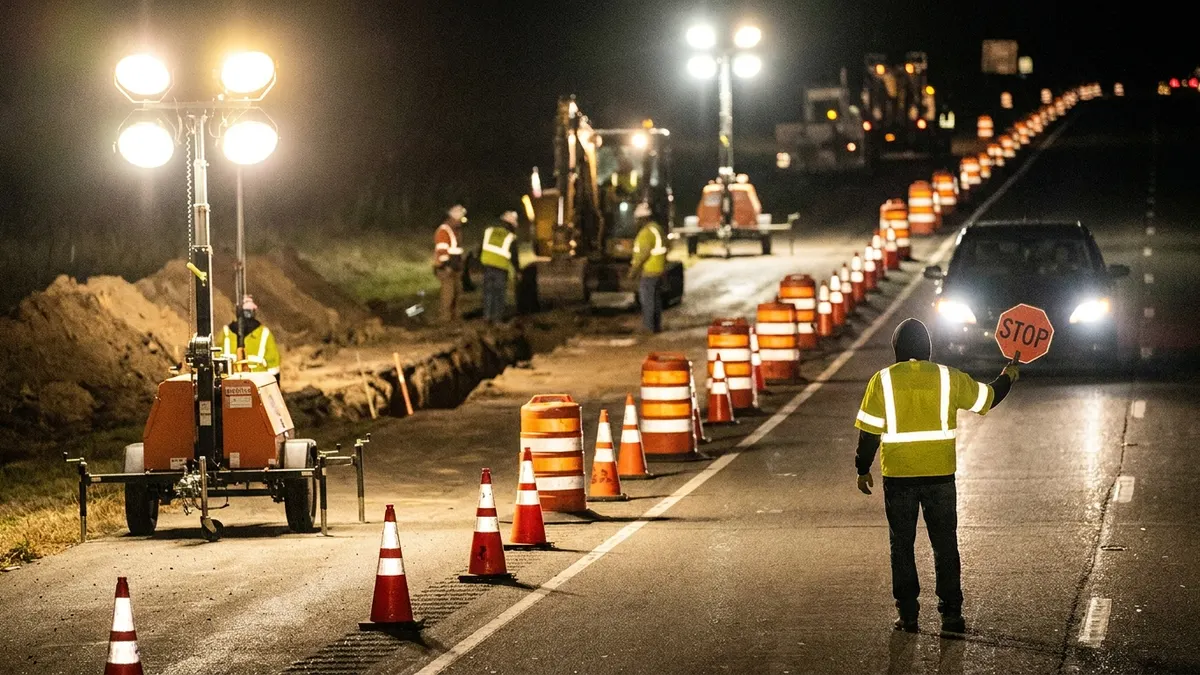
The core problem, as outlined by Ryan Dobbins writing for T&D World, is what he calls the “same plan, different day” failure mode. A utility project can have an approved traffic control plan, the right equipment, and a capable construction crew standing by. But if the traffic control team lacks experience or if performance varies from one location to the next, the result is lost time, added risk, and project delays.
The pressure is intensifying because utility field activity is climbing across multiple fronts. Grid modernization, storm hardening, broadband expansion, and electrification are all pushing more workers into rights-of-way at the same time, often under tighter schedules. That leaves very little margin for disruption at the work zone perimeter.
Dobbins argues that utilities need to evaluate their traffic control partners not just on whether they can produce a compliant plan, but on their training programs, performance tracking, field coaching practices, and leadership development pipelines. Retaining experienced personnel is highlighted as critical for managing surge demands and maintaining consistent standards across multiple simultaneous job sites. Technology tools, including mobile update systems and smart work zone devices, are identified as supporting factors for visibility and execution consistency.
What It Means for Subcontractors
- If you provide traffic control services, expect utility clients to start asking harder questions about how you train, coach, and retain flaggers and work zone supervisors, not just whether your plans are MUTCD-compliant.
- Turnover is a direct operational risk. Experienced traffic control personnel carry institutional knowledge about site conditions and crew coordination that a new hire cannot replicate on day one. Retention strategies are now a business continuity issue.
- Technology investment in your work zones, such as smart devices and real-time mobile communication tools, can differentiate your firm when utilities are evaluating partners on consistency, not just cost.
- If you are a general contractor managing subcontracted traffic control, build performance tracking into your oversight process. Variability in work zone execution flows upstream and can delay your entire project.