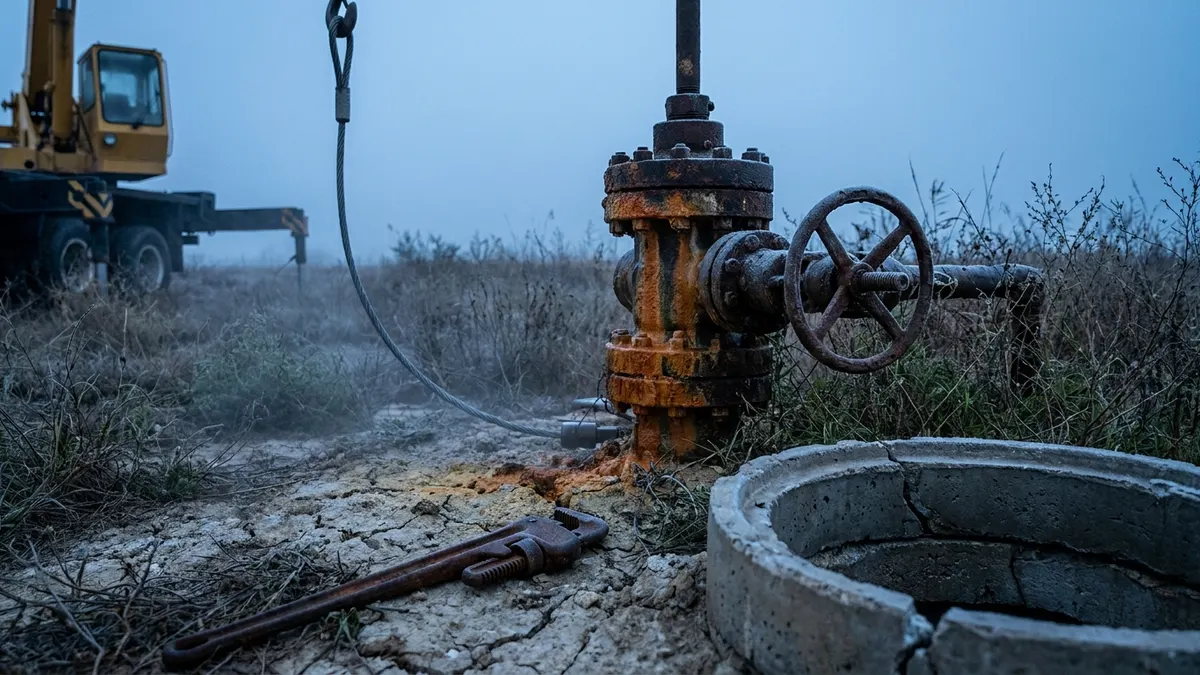
Texas Orphan Well Costs Hit $202 Million Record as Plugging Bills Pile Up
According to Permian Basin Oil and Gas Magazine, the Railroad Commission of Texas estimates it will cost $202 million to plug its current inventory of state-approved orphan wells, the highest total in the program’s history.
Market Impact
The commission classifies a well as orphaned if it has produced no hydrocarbons and had delinquent paperwork for a full year. As of March 2026, the agency had approved 3,632 orphan wells for state-funded plugging, an all-time high. The average depth of those wells rose 61% over the past decade to 3,062 feet, also a record, while per-well plugging costs jumped from $23,807 in 2016 to $55,629 in 2026. Combined, these trends have pushed the state’s plugging liability up by an average of 22% per year since 2016.
Since 1984, Texas has spent $575 million plugging 47,757 orphaned wells left behind by noncompliant or defunct operators. The March 2026 RRC Monthly State Managed Plugging Report also shows 156,664 shut-in or inactive wells statewide, with 46% of active operators carrying more than a quarter of their wells in inactive status. The Texas Legislature responded last year with a one-time $100 million infusion into the State Managed Plugging Program, but the magazine notes the cleanup burden is increasingly shifting to taxpayers rather than the companies that drilled and profited from the wells.
What It Means for Subcontractors
- Plugging and abandonment (P&A) demand is likely to keep climbing as the inventory of orphan wells and inactive wells grows, creating steady work for well service and remediation crews.
- Rising per-well plugging costs, now averaging $55,629, signal higher day rates and material costs for contractors bidding state-managed plugging jobs.
- Operators with large inactive-well counts, 46% of active operators have more than 25% of wells inactive, may face tighter state scrutiny, which could accelerate compliance-driven plugging contracts.
- Subcontractors working with financially distressed operators should watch for nonpayment risk, since wells that go unplugged and unpaid for often become the state’s liability, not a guaranteed contractor payday.
- Companies with soil and water remediation capabilities may find added opportunity as contamination cleanup accompanies plugging work on aging, deeper wellbores.