Texas Off-Grid Power Build Soars as Data Centres Bridge Grid Delays
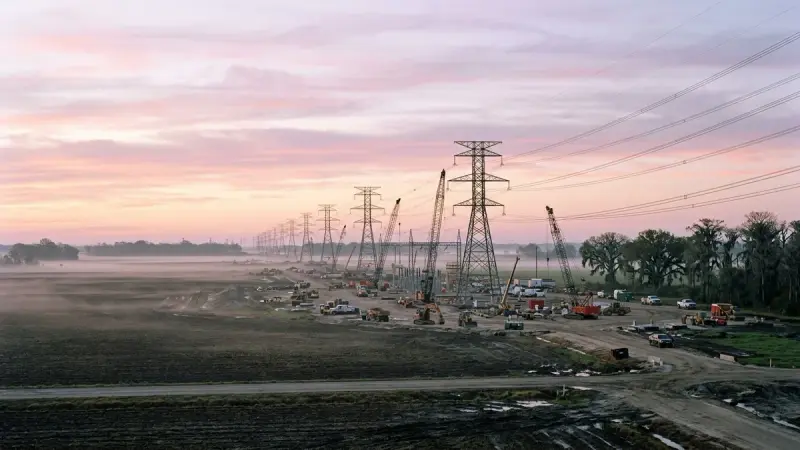
According to Reuters, the development of behind-the-meter power generation is surging in Texas as data centre developers race to deploy facilities faster than grid connections can be completed.
Over 20 GW of BTM power projects for data centres were announced in Texas in 2024-2025, compared with 56 GW nationwide, according to data provider Cleanview. A further 10 GW was announced in January through April 2026 alone.
In March, Fermi America pledged to add 5 GW of gas-fired capacity to its Project Matador BTM private grid, bringing total campus capacity to 17 GW, including 11 GW of natural gas and 4.4 GW of nuclear, solar, and battery sources. Most BTM projects in gas-abundant Texas will use gas-fired power, with some combining renewables with battery storage in hybrid configurations to ensure reliability.
“As AI demand surges, hyperscalers are working to faster timelines than grid expansion projects, requiring significant amounts of BTM capacity,” said Matthew Herpich, CEO of power generation developer Conduit Power.
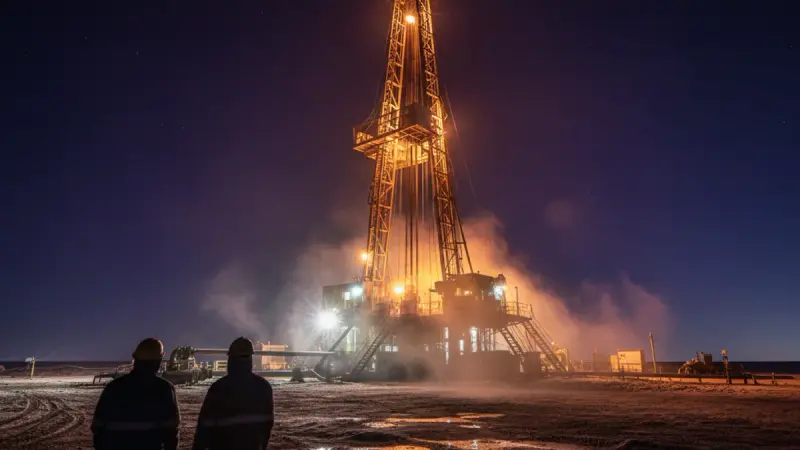
FO Permian Partners is in talks with data centre developers on deals to develop an initial 200 MW off-grid natural gas power hub in West Texas, with the potential to scale to 5 GW. Managing partner Jose Ortega told Reuters that most developers are seeking to use BTM capacity while locating facilities close to substations that will allow grid connection in the future.
Interest in fully off-grid projects has increased, but roughly 70 per cent of contracts under evaluation, ranging from 10 MW to 400 MW, require some path to the grid, Ortega said.
Conduit Power is developing hybrid BTM gas-and-battery power solutions at data centres developed by Prometheus Hyperscale. The systems will provide up to 300 MW of bridging and backup capacity at each complex. Once the data centre connects to the grid, Conduit could export power from its gas-fired engines or continue supporting the data centre.
“We anticipate them to remain as balancing assets to support the data centre and local grid needs,” Herpich said.
Some projects are fully off-grid. Energy Abundance is developing a 5 GW Data City power hub near Laredo in a fully BTM configuration combining wind, solar, batteries, and dual-fuel turbines that will initially run on natural gas and shift to 100 per cent green hydrogen over time.
However, fully off-grid power systems are unlikely to become the dominant model because ensuring reliability requires significant redundancy that often sits idle. “This hybrid model of having energy assets on the site seems to be the way of the future,” said Tom Wilson, principal technical executive at EPRI.
The cost of fully off-grid and bridge-to-grid projects typically exceeds grid-connected projects due to redundancy generation. But bridge-to-grid strategies carry long-term upside since redundancy units “can potentially earn significant income from supplying power or ancillary services to the grid,” Wilson noted.
Texas Senate Bill 6, passed in 2025, increased the cost of grid connections and established mandatory curtailment protocols on new large grid-connected loads. These added costs, combined with uncertainty over grid connection timelines, support fully off-grid power projects, Ortega said.
Compass Datacenters is participating in EPRI’s DCFlex initiative, investing in flexible grid-connected hub configurations. Its flagship Red Oak campus near Dallas is designed for 360 MW of IT capacity supported by 500 MVA of utility load, with 100 per cent backup via generators running on hydrotreated vegetable oil.
“Customers ultimately want a lower carbon and emissions footprint. They’ll accept gas in the near term, but they prefer a more renewable path over the long term,” said Compass CEO Chris Crosby.
What It Means for Subcontractors
- Gas turbine installation is the near-term prize: With 11 GW of natural gas capacity planned for Project Matador alone and 70 per cent of contracts requiring a path to the grid, gas-fired generation is the backbone of the BTM buildout. Mechanical and electrical subcontractors with turbine installation and commissioning experience should be building relationships with developers like Conduit Power and FO Permian Partners now.
- Hybrid configurations create multi-trade demand: Projects combining gas, solar, batteries, and eventually hydrogen (like Energy Abundance’s 5 GW Data City) require civil, electrical, mechanical, and commissioning crews working in sequence. Subcontractors who can bundle or coordinate across trades will have an edge.
- Bridge-to-grid means long-term O&M: Conduit’s model of keeping gas engines as “balancing assets” after grid connection creates durable service and maintenance contracts that outlast the initial build phase. The 300 MW per-complex scale of these hybrid solutions means sustained on-site work for years.
- West Texas is the hotspot: FO Permian’s 200 MW-to-5 GW hub and Energy Abundance’s Laredo Data City point to West Texas as the epicentre. Field service companies operating in the Permian Basin already have geographic proximity to these sites and should be tracking developer RFPs.
- SB6 adds compliance overhead: Mandatory curtailment protocols and increased grid connection costs under Senate Bill 6 mean data centre developers need contractors familiar with ERCOT interconnection requirements and flexible generation dispatch. Compliance documentation will be part of every contract.