SNWA's $2.7 Billion Horizon Lateral Pipeline Moves Forward After Federal Approval
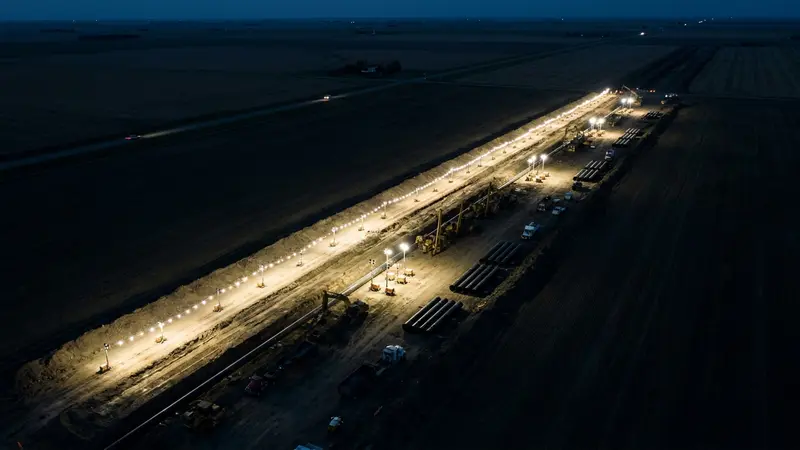
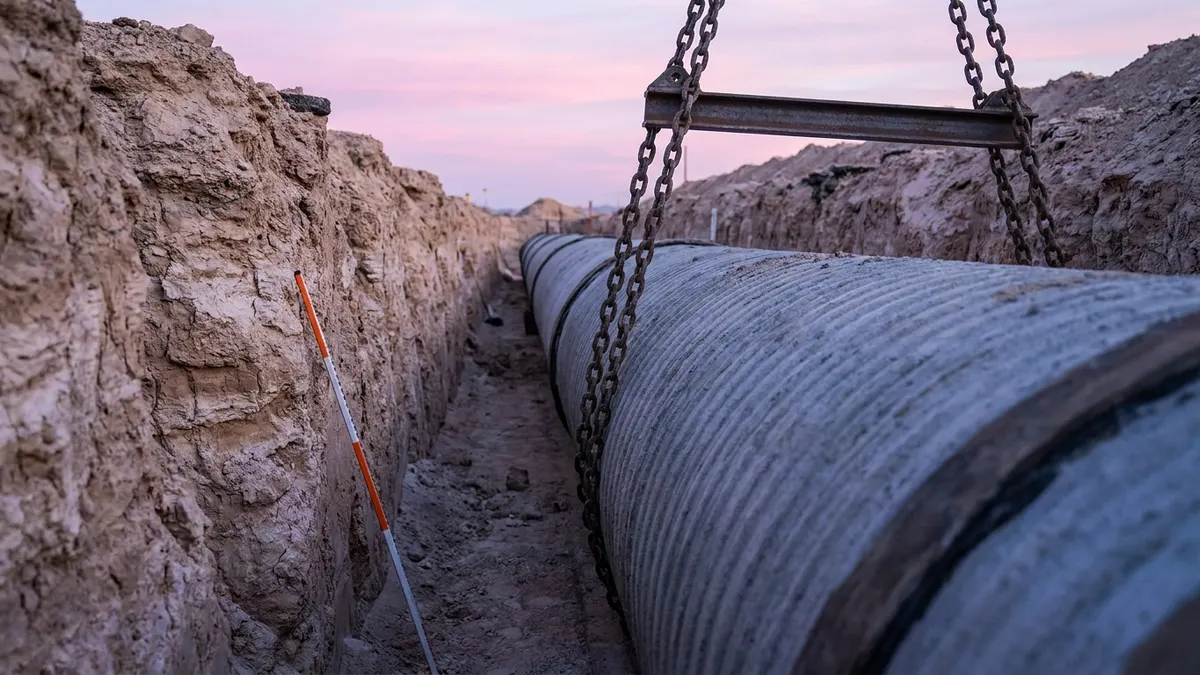
According to Pipeline Technology Journal, the Southern Nevada Water Authority’s Horizon Lateral Program, a water transmission pipeline estimated to cost between $2 billion and $2.7 billion, is moving forward after receiving key federal approvals that cleared years of routing complications.
Market Impact
The project targets a real vulnerability in the Las Vegas Valley’s water system: roughly 40% of the region’s drinking water currently depends on a single pipeline, the South Valley Lateral. The new Horizon Lateral will interconnect the authority’s east and west valley distribution networks, providing redundancy if the primary line fails or requires maintenance.
The path forward was cleared by House Resolution 972, sponsored by U.S. Sen. Catherine Cortez Masto and Rep. Dina Titus, which directs the Bureau of Land Management to grant construction rights-of-way beneath the Sloan Canyon National Conservation Area while simultaneously expanding that area’s boundaries. Funding will come from regional developer connection fees and infrastructure and commodity charges paid by Southern Nevada water users, keeping the cost off state and federal budgets.
Key infrastructure components include a new transmission line and pumping station for southeastern Henderson, a separate transmission pipeline and reservoir for the southern valley, and new pressure-regulating valves across the grid.
What It Means for Subcontractors
- Major civil and pipe scope incoming: A project of this scale, covering new transmission mains, pumping stations, reservoirs, and pressure-regulating infrastructure, will generate significant subcontract packages for civil, mechanical, and pipeline contractors across Nevada and the broader Southwest.
- Trenchless work likely: Routing beneath a federally protected conservation area suggests horizontal directional drilling or other trenchless methods will be required for portions of the alignment, a specialty that commands premium pricing.
- Watch the BLM right-of-way process: Federal land permitting timelines drive procurement schedules on projects like this. Subs should monitor BLM activity and SNWA procurement notices to position early.
- Local funding structure matters: Because the project is funded through developer fees and utility charges rather than federal grants, procurement may move faster and with fewer federal contracting strings attached compared to federally funded water infrastructure.