SMR Construction Is Moving From Policy to Procurement — Field Contractors Should Take Note
According to OilPrice.com, small modular reactors (SMRs) are increasingly being framed as a national security imperative in the United States, a shift that moves the technology beyond energy policy debates and into the realm of active procurement and site development. For field service companies with heavy industrial, electrical, and civil construction capabilities, that framing change matters more than most headlines suggest.
Background
SMRs have been discussed as a next-generation nuclear option for years, but the national security angle represents a meaningful escalation in how decision-makers are prioritizing the technology. When energy infrastructure gets classified as a security asset rather than simply a power generation option, federal dollars, expedited permitting, and defense-adjacent contracts tend to follow. OilPrice.com’s reporting highlights that this reframing is now underway, putting SMRs on a trajectory that looks less like a long-range research program and more like an active buildout on a compressed timeline.
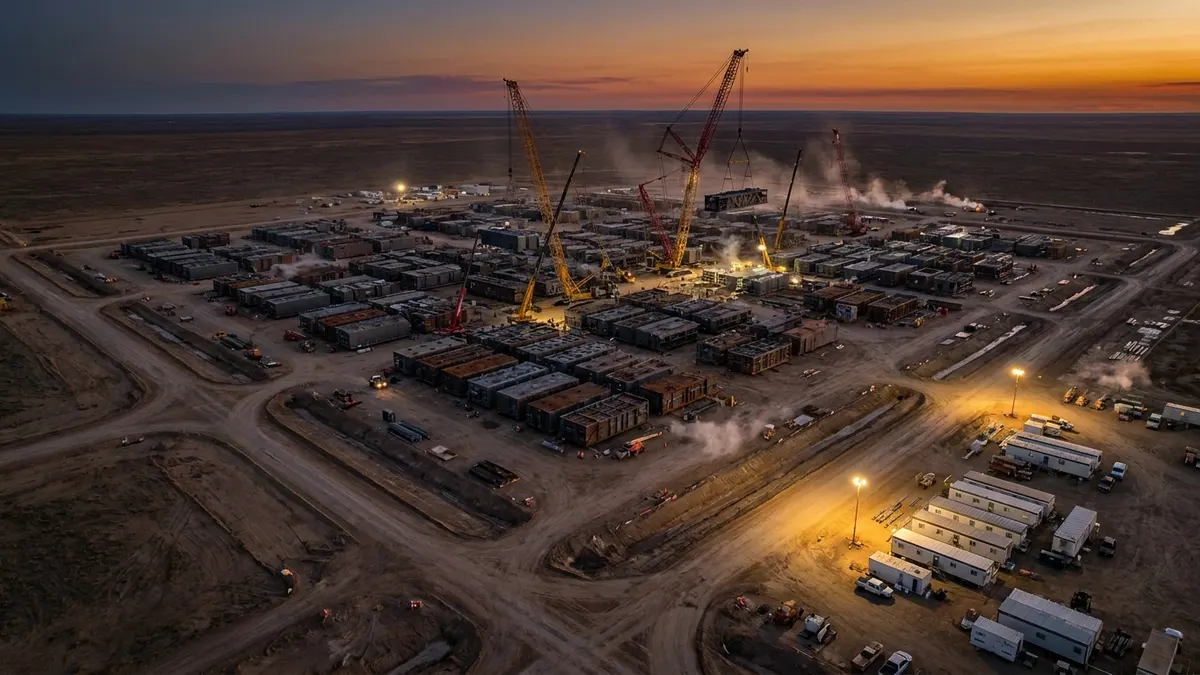
Unlike traditional large-scale nuclear plants, SMRs are designed to be modular and factory-fabricated, which changes the construction profile significantly. Smaller footprints, distributed siting options, and faster build cycles mean the work looks more familiar to the industrial construction sector than conventional nuclear projects, which have historically been dominated by a narrow group of specialized contractors.
Analysis
The national security framing carries real operational consequences for the contracting market. Defense and security-driven infrastructure programs in the US have a history of moving faster than commercially driven projects, backed by federal procurement mechanisms that bypass some of the budget uncertainty that stalls private energy development. If SMRs are being positioned within that framework, subcontractors should expect project timelines to compress and qualification requirements to front-load.
This also reshapes who gets access to the work. Nuclear construction has long been treated as a closed market, requiring specialized licensing, quality assurance programs, and regulatory familiarity that most general industrial contractors don’t maintain. But SMR projects, particularly those tied to defense installations or federal energy security mandates, may open procurement pathways that look more like government construction contracting than traditional nuclear utility work. That’s a meaningful difference for companies that already operate under federal acquisition frameworks.
The electrical construction opportunity here is substantial and underappreciated. SMR facilities require significant balance-of-plant electrical work, substation integration, instrumentation and controls installation, and grid interconnection infrastructure. None of that is exotic nuclear work. It’s the same heavy electrical scope that experienced subcontractors perform on petrochemical plants, data centers, and industrial facilities every day. The licensing and quality requirements will be higher, but the core skill sets transfer.
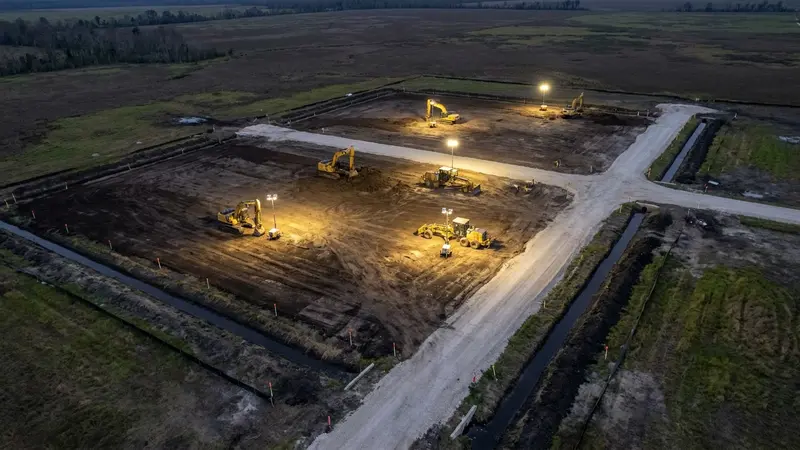
Civil and site preparation contractors should also be paying attention. SMR siting flexibility, one of the technology’s core selling points, means these units could be deployed at retired coal plant sites, military installations, remote industrial facilities, or dedicated greenfield locations. Each scenario carries a different civil scope, but all of them require earthwork, foundations, access infrastructure, and utilities buildout before any nuclear-specific work begins. That pre-nuclear site work is accessible to a much broader contractor base than the nuclear installation itself.
The risk for subcontractors who wait is getting locked out of the qualification pipeline. Nuclear-adjacent projects require documented quality programs, trained workforces, and vendor approvals that take time to establish. Companies that start building those credentials now, before projects reach active solicitation, will be in a substantially better position than those who try to qualify reactively once contracts hit the street.
What It Means for Subcontractors
- Start the nuclear quality conversation now. Qualifying as a vendor or subcontractor on nuclear-adjacent work requires establishing a quality assurance program that meets 10 CFR 50 Appendix B or equivalent standards. That process takes months to years, so early action is a competitive advantage.
- Identify your transferable scope. Electrical, instrumentation, civil, and mechanical contractors already performing industrial work have relevant skills. Audit your current capabilities against SMR balance-of-plant requirements and identify the gaps.
- Watch for federal procurement vehicles. If SMRs are being advanced as a national security priority, look for Department of Energy and Department of Defense solicitations as early entry points, particularly for site preparation and infrastructure work that doesn’t require nuclear-specific certifications.
- Consider retired coal plant geography. SMR developers have identified former coal plant sites as logical deployment locations due to existing grid connections and infrastructure. Contractors already active in those regions, particularly in Appalachia, the Midwest, and the Mountain West, may have a geographic advantage.
- Track state-level enabling legislation. Several US states have moved to streamline nuclear permitting in recent years. States that pass SMR-friendly legislation are likely to see the first wave of site activity, making regulatory monitoring a practical business intelligence tool.
The window between policy declaration and active procurement is where contractors either get positioned or get left out. On SMRs, that window appears to be narrowing.