Philadelphia Parking Garage Collapse Kills at Least One Ironworker, Two Still Missing
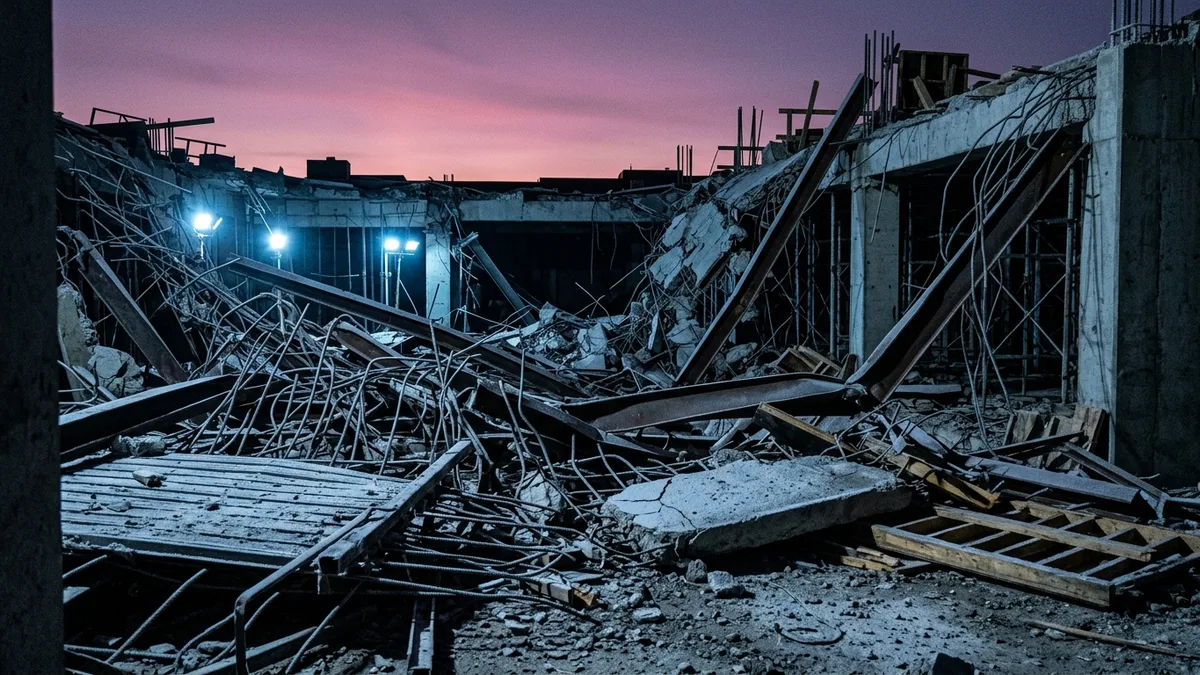
According to Engineering News-Record, a partial collapse at a Philadelphia parking garage under construction killed at least one worker on April 8, 2026, with two others presumed dead and controlled demolition of the unstable structure expected to begin April 10.
What Happened on Site
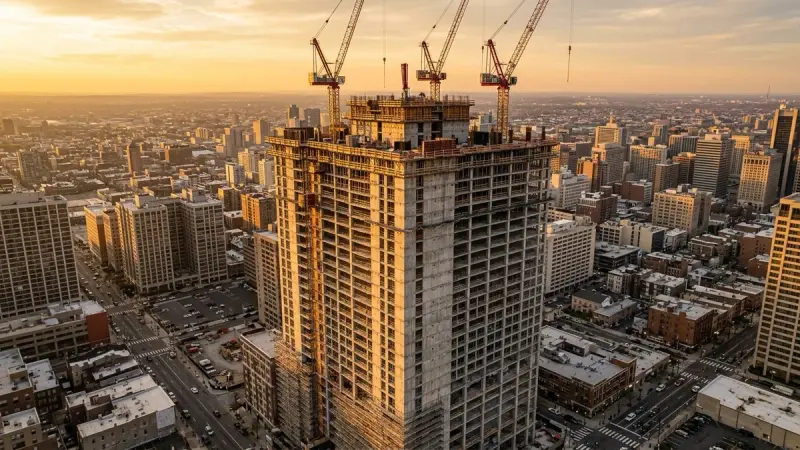
The seven-story, 335,000-square-foot parking garage was being built in the city’s Grays Ferry neighborhood for the Children’s Hospital of Philadelphia. Construction had started in 2025 on the $32.27-million project, which was designed to replace a surface lot and provide up to 1,012 parking spaces.
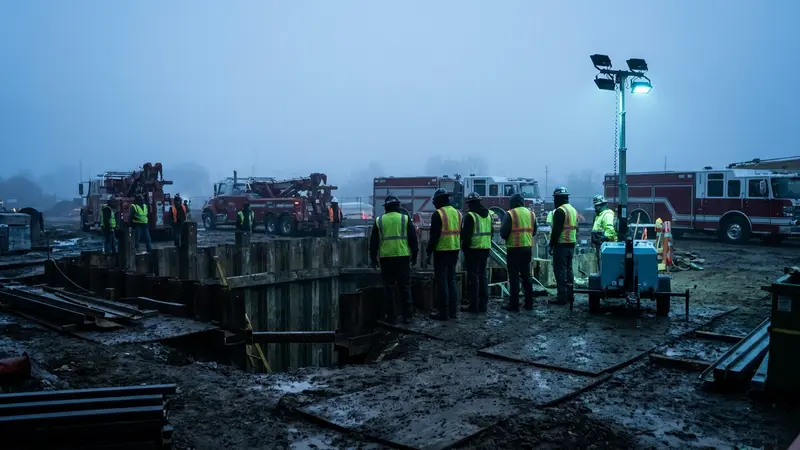
Mayor Cherelle Parker confirmed the victims were members of Ironworkers Local 401. Emergency crews deployed dogs, robots, and drones during the search. Philadelphia Fire Commissioner Jeffrey Thompson told local reporters that two trained dogs, working independently, both indicated the presence of human remains. “Both independent of one another, and they both hit independently,” Thompson said. “So we were confident what we were dealing with was no longer a rescue but a recovery.”
Officials initially planned to deconstruct the unstable structure, but structural engineers advised full demolition instead. According to Mayor Parker, permits were properly issued and inspections were up to date at the time of the collapse.
What It Means for Subcontractors
Structural collapses on active construction sites create serious liability and safety exposure for every trade working on or adjacent to a project, regardless of who holds the prime contract.
- Understand site conditions before mobilizing. Even when permits are current and inspections are signed off, unfinished structural systems, particularly multi-story concrete and steel frames mid-construction, carry inherent instability risks. Verify the structural status of any area where your crew will work.
- Know your adjacent-trade exposure. If ironworkers, concrete crews, or other structural trades are active above or nearby, confirm that your scope of work does not put your people in a collapse zone. Raise concerns with the general contractor in writing.
- Document everything on collapse-risk projects. If your crew flags a structural concern and is told to proceed anyway, get that directive in writing and escalate to OSHA if necessary. OSHA’s 29 CFR 1926 Subpart Q covers concrete and masonry construction, and 1926 Subpart R covers steel erection, both of which carry specific stability requirements.
- Review your insurance coverage now. Subcontractors working on large civil or vertical construction projects should confirm their general liability and workers’ compensation policies cover collapse scenarios, including recovery operations that extend days after the initial incident.
Ironworkers Local 401 said it would release a statement on April 13. ENR’s full reporting on the incident is available at enr.com.