Drone Strike Cuts Saudi Pipeline Flow by 700,000 Barrels a Day, Export Impact Looms
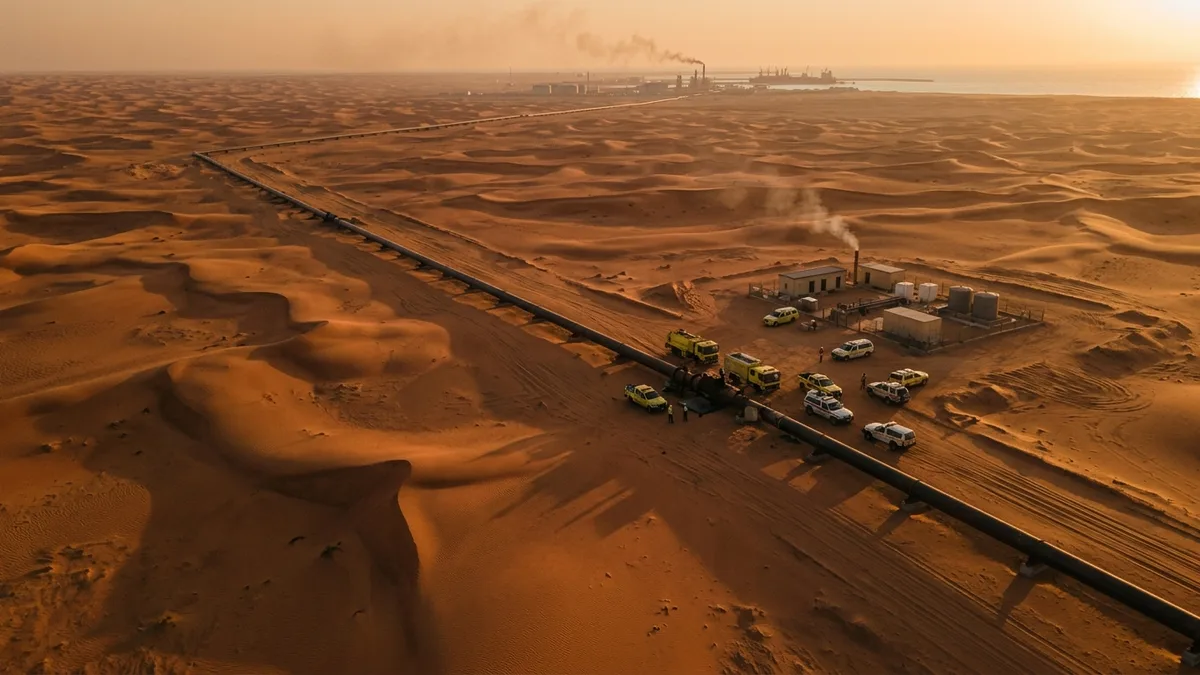
According to a Bloomberg report via Rigzone, a drone strike on Wednesday, April 9 damaged one of 11 pumping stations along Saudi Arabia’s 746-mile East-West Pipeline, cutting throughput by 700,000 barrels per day and raising the risk of a supply disruption at Red Sea export terminals within days.
Market Impact
The attack came hours after a ceasefire was declared in the broader regional conflict involving Iran, adding geopolitical weight to what is already a strained global supply picture. Saudi Arabia’s state-run Saudi Press Agency confirmed the throughput reduction, citing an energy ministry official.
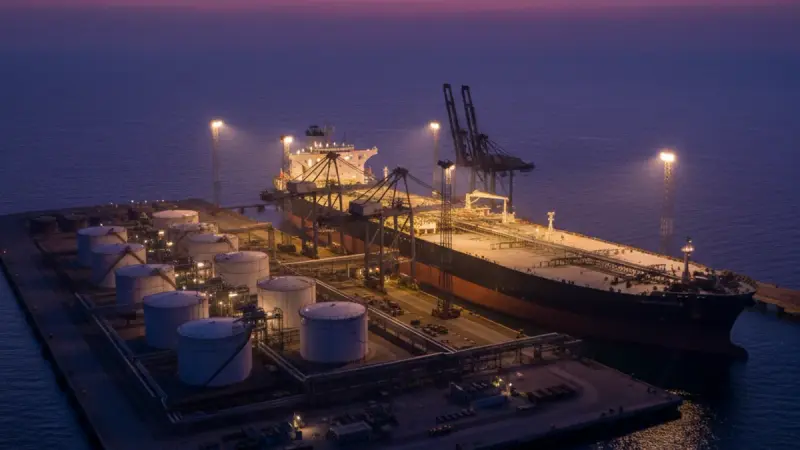
Exports from the Red Sea port of Yanbu remain stable at roughly 4 million barrels per day, a level Saudi Arabia reached after quadrupling Red Sea shipments since late February to compensate for the near-shutdown of the Strait of Hormuz. But that buffer has a timer on it. Because of the pipeline’s length, it will take several days before the reduced flow rate actually cuts the volume of crude reaching Yanbu. If exports do begin to fall, Riyadh may offset the impact by diverting supply away from domestic refineries, power stations, and desalination plants rather than cutting shipments to international buyers.
The pipeline carries a nameplate capacity of 7 million barrels per day and is the only meaningful alternative to Hormuz for moving Persian Gulf crude to global markets. With roughly 2 million barrels per day consumed domestically, up to 5 million barrels per day could theoretically move through the link for export.
What It Means for Subcontractors
- Watch oil price volatility closely. WTI was sitting at $96.57 as of Friday, April 11. If Saudi exports drop in the coming days, prices could spike, which historically tightens operator budgets on new work but drives urgency on maintenance and production-critical jobs already underway.
- Pipeline infrastructure demand could accelerate. Damage to major export arteries, whether in the Middle East or domestically, tends to prompt emergency repair and integrity inspection work. US pipeline contractors and inspection service providers should be positioned for fast-response opportunities if volatility continues.
- Supply chain delays are a real risk. Elevated oil prices and regional instability can disrupt steel, equipment, and chemical supply chains that field service companies depend on. Build contingency time into current project schedules and revisit material procurement timelines with suppliers now.
- Stay current on Hormuz and Red Sea developments. The Strait of Hormuz remains effectively constrained. If the East-West Pipeline’s flow drops materially, global crude markets could tighten quickly, influencing drilling activity decisions across the Permian, Bakken, and Gulf Coast within weeks.