Persian Gulf Pipeline Bypasses Hit Capacity Limits as Hormuz Disruption Continues
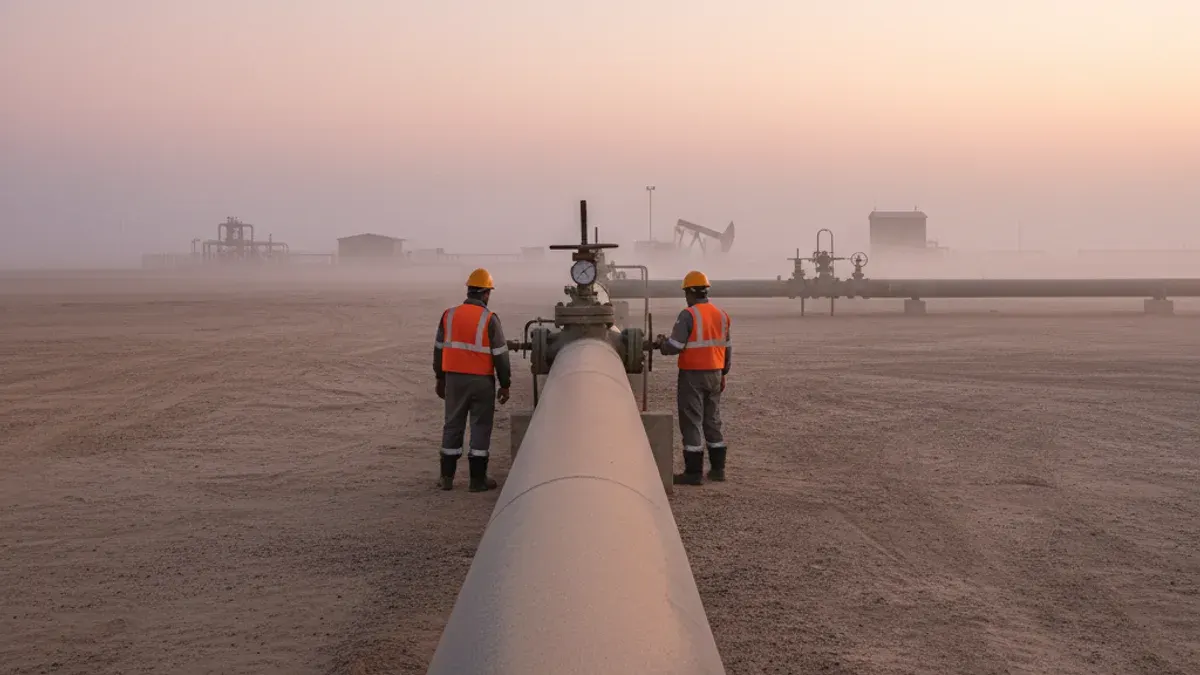
According to ENR, bypass infrastructure around the Strait of Hormuz is operating near maximum capacity as the waterway remains closed to tanker traffic due to ongoing drone campaigns. Saudi Arabia’s Petroline and the UAE’s Abu Dhabi Crude Oil Pipeline can move only 4-5 million barrels per day combined, compared to the strait’s normal 20 million barrels daily. These pipelines were designed for short-term disruptions lasting days or weeks, not extended closures.
What It Means for Subcontractors
- Pipeline expansion projects could accelerate across the Persian Gulf region as producers seek additional bypass capacity, creating opportunities for construction and engineering services
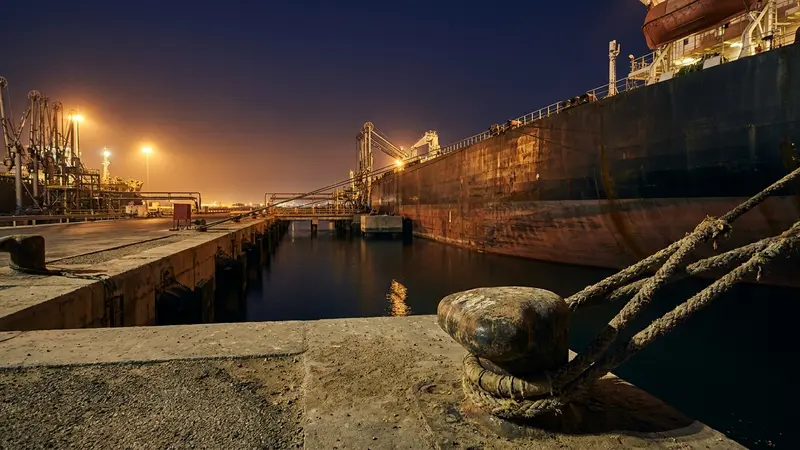
- Red Sea terminal operations are intensifying at facilities like Saudi Arabia’s Yanbu North export terminal, potentially driving demand for maintenance, logistics, and marine services
- Emergency infrastructure builds may emerge as regional producers reassess their vulnerability to extended shipping disruptions, opening new project pipelines for field service companies