Permian Produced Water Poised to Become a Revenue Stream, Not Just a Disposal Problem
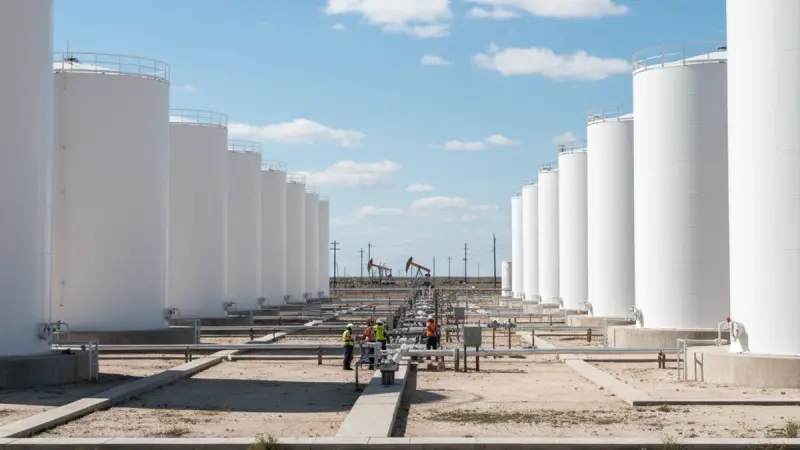
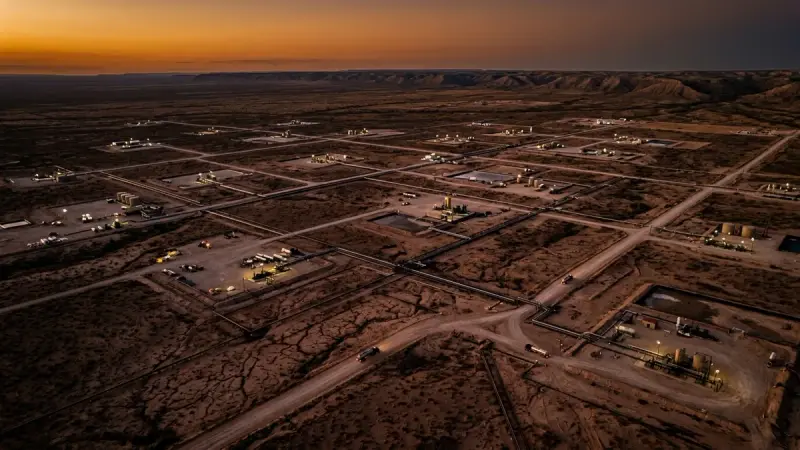
According to the Midland Reporter-Telegram, produced water in the Permian Basin is increasingly being viewed as a valuable resource rather than a costly byproduct, with industry stakeholders exploring large-scale reuse, treatment, and sales opportunities that could reshape how operators and their contractors handle water in the field.
Market Impact
The Permian Basin generates an estimated 15 million barrels of produced water every day, a volume that dwarfs actual oil production in the region. Historically, the bulk of that water has been disposed of through saltwater disposal (SWD) wells, at significant cost to operators. That calculus is starting to change.
Growing water scarcity in West Texas and southeastern New Mexico is pushing regulators and municipalities to look at treated produced water as a potential supply for agriculture and industrial use. Texas regulators, including the Texas Railroad Commission and the Texas Commission on Environmental Quality, have been working through pilot programs and permitting frameworks to allow limited surface discharge and third-party sales of treated produced water. If those frameworks expand, the market for water treatment, transport, and midstream infrastructure in the Permian could grow substantially.
What It Means for Subcontractors
- Water haulers and SWD operators should watch for shifts in disposal volumes if reuse programs divert water away from injection wells, which could affect contract renewal terms and pricing.
- Pipeline and infrastructure contractors may see new project opportunities as operators and midstream companies invest in produced water gathering and treatment systems to meet evolving reuse standards.
- Chemical and treatment service companies stand to benefit directly if produced water treatment requirements increase, driving demand for new chemistry, filtration systems, and monitoring equipment.
- Contract language matters now. If water goes from waste to asset, existing disposal contracts may need to be renegotiated to reflect changed liability, ownership, and revenue-sharing structures.
- Stay current on Texas Railroad Commission rulemaking. Regulatory changes around produced water reuse are moving faster than many contractors realize, and early movers in compliant treatment and transport services could lock in long-term agreements.