Canadian Crude Pipeline Expansion Opens Door for US Field Service Work
According to a recent RBN Energy market analysis, rising Canadian crude production is pushing forward several pipeline projects designed to move increased volumes into US markets, signaling a new wave of midstream infrastructure spending that could benefit field service companies on both sides of the border.
Market Impact
Canadian oil sands output has been climbing steadily, with producers in Alberta and Saskatchewan pushing volumes that existing pipeline capacity is struggling to absorb. Several pipeline projects are in various stages of development to address that bottleneck and connect Canadian supply to US refiners, particularly in the Midwest and Gulf Coast, where heavy crude processing capacity is concentrated.
The expansion follows the completion of Trans Mountain and the continued operation of Enbridge’s Mainline system, which remains the dominant artery for Canadian crude moving south. Additional capacity additions would serve producers eager to avoid the price discounts that come with constrained takeaway, and US Gulf Coast refiners that have built their economics around a steady diet of heavy crude feedstock.
Cross-border and interstate pipeline projects of this type fall under PHMSA jurisdiction for safety and construction standards, with FERC overseeing permitting for lines crossing into the US. Subcontractors working on these projects should also be prepared for state-level right-of-way and environmental permitting requirements, which vary across the Midwest and Gulf Coast corridors.
What It Means for Subcontractors
Pipeline construction and expansion projects generate work across a wide range of field service disciplines. Companies positioned in the following areas should be watching project timelines closely:
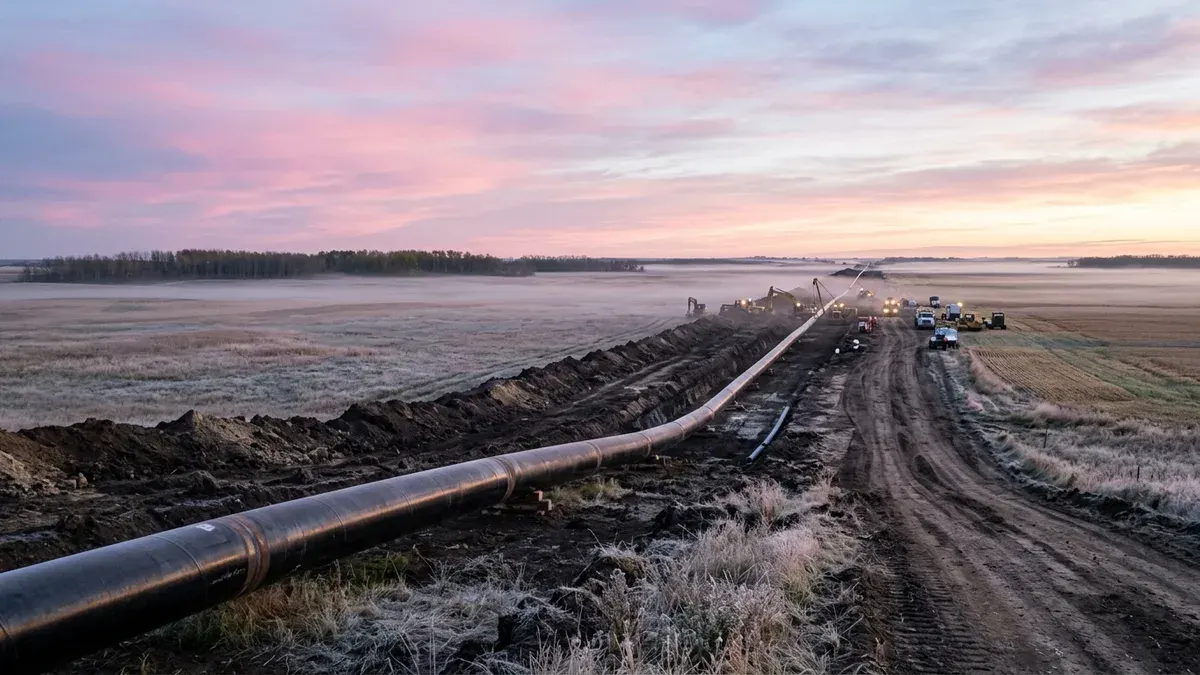
- Pipeline construction crews handling trenching, welding, and pipe laying will be among the first to see bid opportunities as projects move from permitting to construction
- Hydrostatic testing and commissioning firms are needed before any new line enters service, representing a predictable contract window
- Inspection and integrity services including ILI (inline inspection) vendors and third-party NDT contractors will see demand as lines are built and brought online
- Environmental and right-of-way services face heavy demand during permitting and construction phases, particularly for projects crossing the US-Canada border
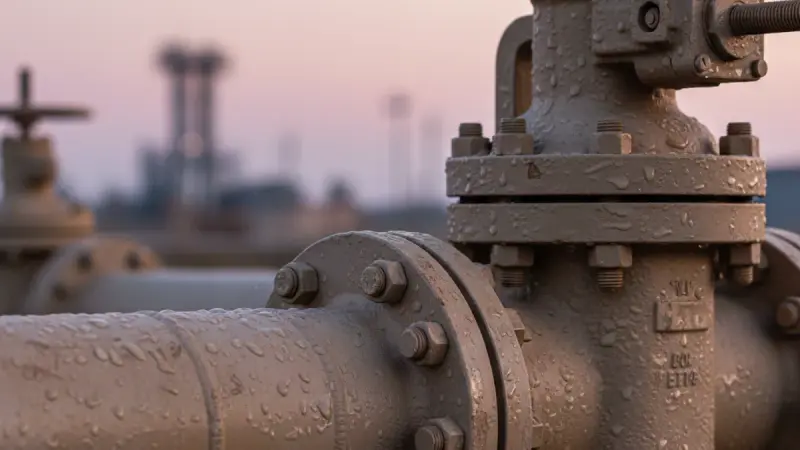
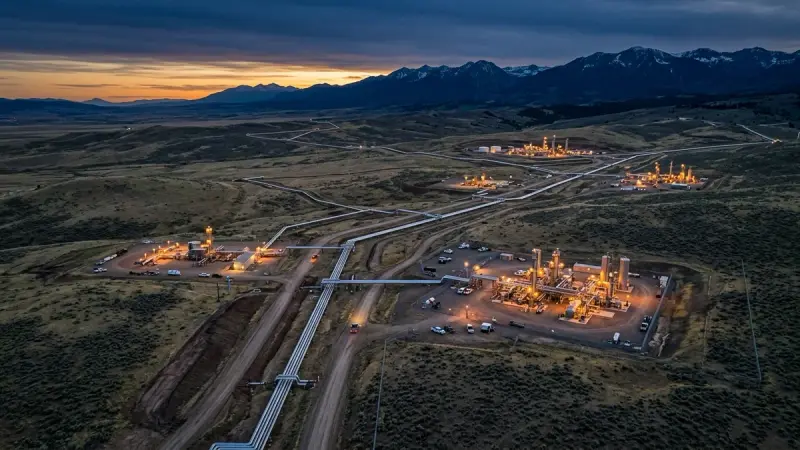
- Pump station and valve installation contractors will find work at the compression and metering facilities that accompany any major line expansion
- Companies based in Texas and along the Gulf Coast should also monitor downstream impacts, as additional Canadian crude volumes flowing south could drive refinery turnaround and upgrade work at heavy crude facilities