Canada's Energy Crisis Reshaping Project Activity and Contractor Demand
For US contractors with operations or supply relationships spanning the Canadian border, Canada’s deepening energy market pressures are increasingly relevant to project planning and bid strategy. According to the Financial Post, Canada’s energy crisis is generating significant economic and operational disruption across the country, with analysts suggesting the effects could reshape the nation’s energy sector for years to come.
Market Impact
Canada has faced a convergence of pressures in recent years, including tightening natural gas supplies, constrained pipeline capacity, volatile commodity prices, and growing electricity demand driven by industrial expansion and electrification mandates. These conditions have pushed energy costs higher for producers and industrial operators alike, while also accelerating investment in LNG infrastructure, grid upgrades, and domestic supply projects.
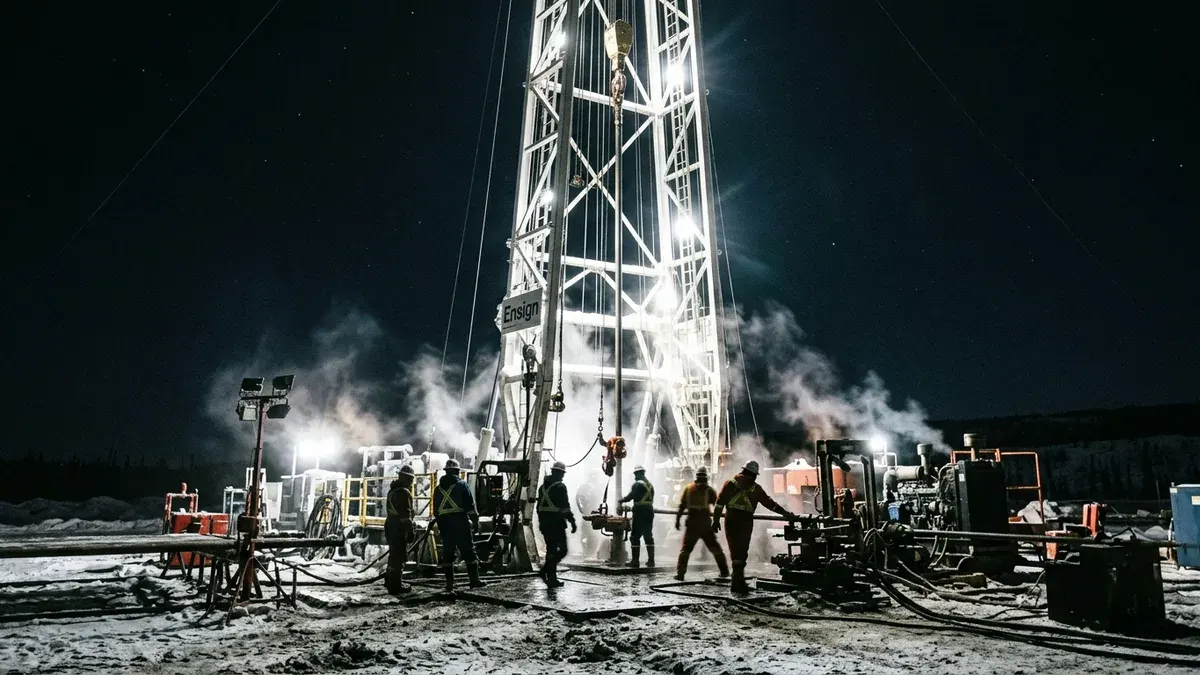
Major capital commitments such as LNG Canada in Kitimat, British Columbia, and ongoing oilsands maintenance and expansion in Alberta represent some of the largest field operations programs in North America. Tightening labor markets and elevated material costs have added pressure to project budgets across the board. The Financial Post notes that construction cost indices in Western Canada have remained well above pre-2020 levels, straining budgets on active programs.
What It Means for Subcontractors
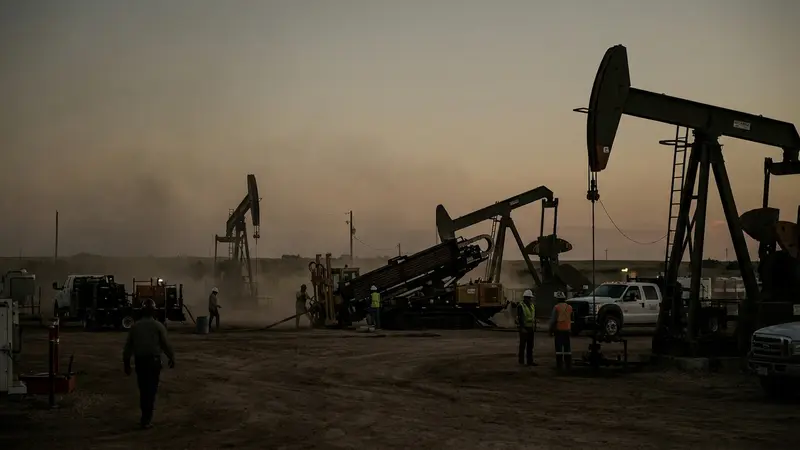
- US operators are watching Canada. Cross-border contractors and equipment suppliers serving both the Permian and Canadian basins should monitor how Canadian energy policy shifts affect project timing and scope, particularly for LNG and pipeline work.
- Project pipeline remains active. Energy infrastructure investment across Alberta, BC, and Saskatchewan continues to generate demand for civil, mechanical, electrical, and instrumentation contractors. Companies positioned in those trades should expect sustained workloads tied to energy security spending.
- Labor and equipment pricing power is real. With skilled trades in short supply across Western Canada, subcontractors are in a stronger negotiating position on rates. Lock in multi-year agreements where possible to protect margins.
- Prepare for longer project durations. Supply chain constraints and permitting delays have extended project timelines. Build schedule contingency into bids to avoid cost overruns on fixed-price contracts.