Trump Administration Moves to Delist Permian Basin Lizard, Easing Drilling Restrictions
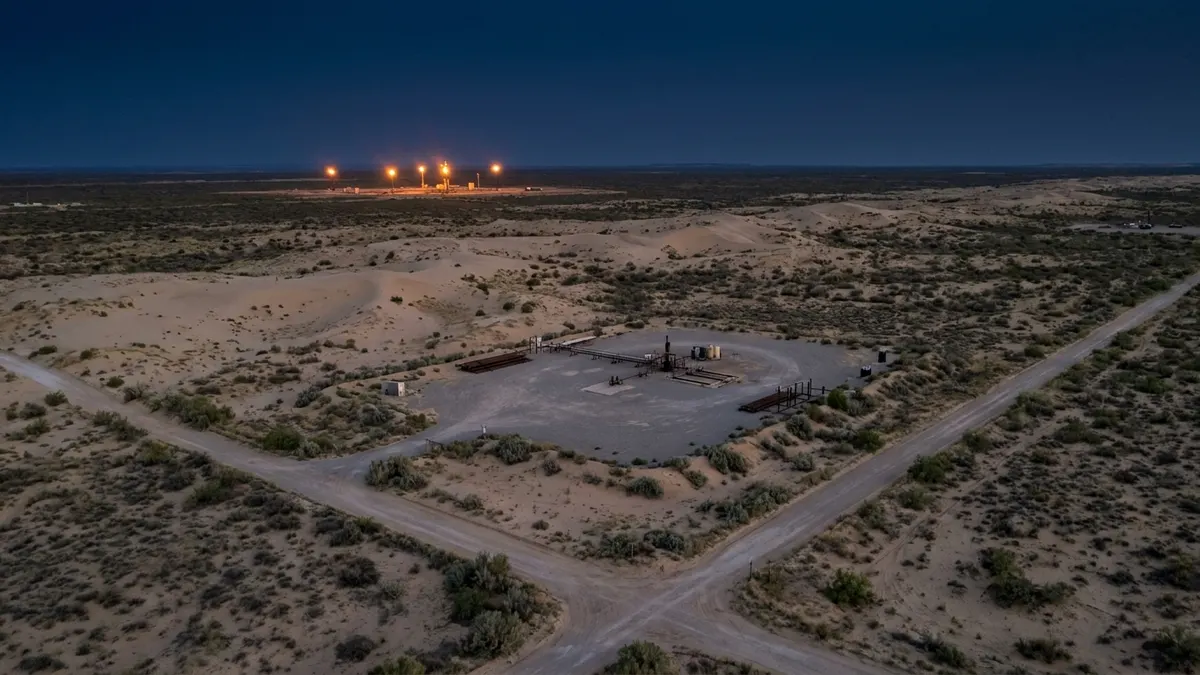
According to Oklahoma Energy Today, the Trump administration has moved to effectively delist the dunes sagebrush lizard, a reptile whose endangered species designation has constrained oil and gas operations across the Permian Basin for the past two years.
The U.S. Justice Department filed in federal court to settle a lawsuit originally brought by Texas Attorney General Ken Paxton, who argued that the Biden-era Fish and Wildlife Service listing was an attempt to undermine oil and gas production. The DOJ filing concedes that USFWS made a “serious and fundamental” mistake when it listed the lizard in May 2024, stating the agency had improperly assumed habitat restoration could not occur and had discounted experimental conservation efforts that “show promise.”
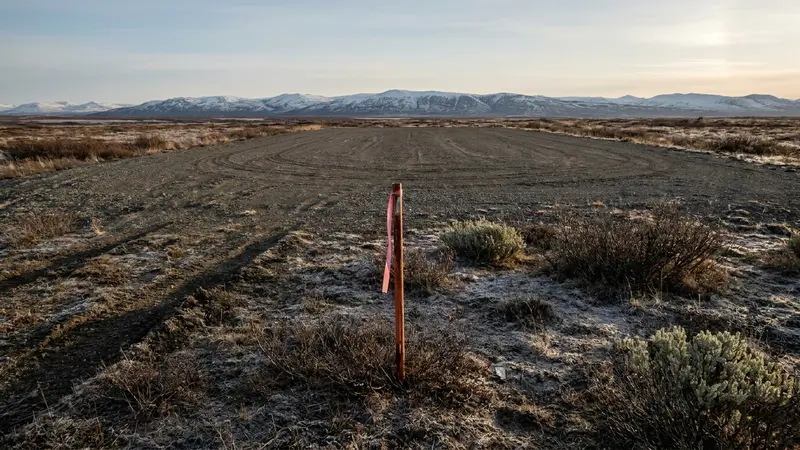
If a federal judge in Midland, Texas approves the settlement, USFWS would be required to re-examine the 2024 listing — a process widely expected to result in delisting given the current administration’s stance. Critics, citing Reuters, argue the move weakens environmental protections without adequate scientific review. The lizard, which lives in the shrublands and sand dune ecosystems of southeastern New Mexico and West Texas, has been the subject of more than 20 years of regulatory debate over whether its habitat could coexist with Permian Basin oil and gas activity.
What It Means for Subcontractors
- No permit changes are in effect yet. A federal judge must approve the settlement before USFWS is obligated to re-examine the listing. Companies should not alter compliance practices based on the DOJ filing alone.
- Subcontractors working in areas previously subject to dunes sagebrush lizard habitat buffers — including parts of Lea and Eddy Counties in New Mexico and adjacent Texas areas — should monitor the Midland federal court docket for a ruling on the settlement.
- Prime contractors and operators may begin pre-positioning projects that had been held back by habitat review requirements, signalling potential new scope in Permian Basin drilling, pad construction, and pipeline work. Watch for project greenlight announcements in the second half of 2026.
- If the settlement is approved and USFWS initiates a new review, formal delisting would still require a public comment period and a new regulatory finding. That process typically takes months. Companies should plan for a gradual regulatory rollback rather than an immediate change.
- Legal and compliance contacts should be kept in the loop. Some existing project approvals may contain ESA-specific permit conditions that require formal amendment regardless of what happens with the listing itself.