Permian Basin Holds 55,000 Sub-$50 Drilling Locations, Giving Field Services a Demand Floor
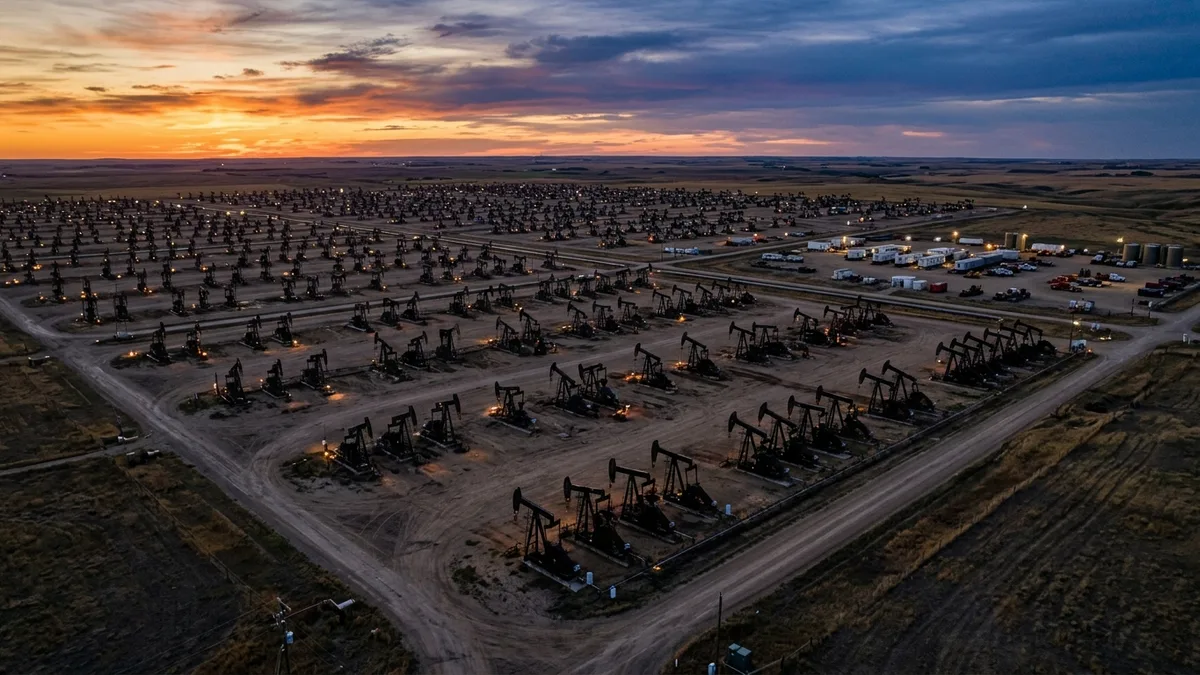
According to World Oil, new analysis from Enverus Intelligence Research (EIR) estimates the Permian Basin holds approximately 55,000 drilling locations capable of breaking even below $50 per barrel. That inventory grew roughly 10% year-over-year, driven by resource delineation, improved well performance, and ongoing cost efficiencies. The figure is nearly double the sub-$50 inventory of several other major North American plays combined, reinforcing the Permian’s standing as the lowest-cost shale play in the country.
For subcontractors and field service companies operating in West Texas and southeast New Mexico, that number is more than a geology footnote. It’s a demand signal.
Background
EIR’s analysis puts total undeveloped Permian inventory at close to 100,000 locations when geologically viable resources are included. Much of the recent growth comes from deeper zones, specifically the Barnett-Woodford and Wolfcamp D intervals, which are emerging as meaningful extensions of the basin’s development runway.
According to World Oil, wells in the Midland Basin’s Barnett-Woodford interval have recently exceeded average basin performance, with breakeven costs estimated in the low $40 per barrel range under current cost assumptions. That’s a notable data point: some of the newest inventory in the basin is also among the most economically resilient.
EIR also noted that while top operators control a significant share of high-quality inventory, private and smaller operators hold a meaningful portion of low-cost locations as well. That’s relevant for field service companies whose customer base skews toward mid-size and private producers.
Analysis
The practical implication of 55,000 sub-$50 locations is straightforward: Permian operators have a substantial buffer before commodity prices threaten their drilling programs. With WTI prices that have spent much of 2025 and early 2026 trading in a range that has kept many operators cautious, this inventory analysis suggests the basin’s core economics remain intact even if prices soften further.
The 10% year-over-year growth in that inventory count matters too. It’s not a static resource base being slowly depleted. Operators are actively expanding their economic runway through better geology, improved completions, and tighter cost structures. That combination tends to sustain activity levels even when operators are under pressure from investors to hold the line on capital spending.
The shift toward deeper targets like Barnett-Woodford and Wolfcamp D does introduce new complexity. Deeper wells typically require more rig time, higher horsepower, and more sophisticated completion designs. That’s a double-edged dynamic for service companies. On one hand, it means more technical work per location and potentially stronger pricing for specialized crews and equipment. On the other hand, deeper wells can be less forgiving of execution problems, which raises the performance bar for service providers competing for that work.
Development sequencing is also flagged in EIR’s findings as a growing factor in project economics as operators work through maturing acreage. In plain terms, operators are making more deliberate choices about which wells to drill in which order to maximize returns. That kind of disciplined capital allocation tends to concentrate activity with proven service partners rather than spreading work broadly. For subcontractors without a strong track record in the basin, winning new business may become harder even as total activity holds steady.
The presence of private operators holding meaningful low-cost inventory is worth watching. Private companies have historically been more aggressive drillers when commodity economics support it, and less subject to public market pressure to throttle back. If prices hold above $50, private operators could be a source of incremental demand that offsets any pullback from larger public companies managing shareholder returns.
What It Means for Subcontractors
-
Plan for sustained Permian demand. With 55,000 sub-$50 locations and total inventory approaching 100,000, the basin has years of economic drilling ahead. Field service companies should be building, not trimming, their Permian capacity for 2026 and beyond.
-
Watch the deeper zone transition. Growing activity in Barnett-Woodford and Wolfcamp D means operators will need service companies capable of handling more technically demanding work. If your equipment or crews aren’t rated for deeper, higher-pressure applications, now is the time to assess that gap.
-
Private operators are a real market. EIR notes that smaller and private operators hold a meaningful share of low-cost inventory. Companies that focus only on the majors and large independents may be leaving work on the table.
-
Price stability matters more than price highs. The sub-$50 breakeven threshold means operators don’t need a price spike to keep drilling. Subcontractors should price their 2026 contracts with the expectation of steady, moderate-price activity rather than betting on a boom cycle.
-
Performance will drive contract allocation. As development sequencing becomes more important to operator economics, proven execution records become a stronger differentiator. Investing in crew quality, equipment reliability, and HSE performance now positions you to capture work as operators tighten their vendor lists.