Section 232 Tariff Hike on Steel, Aluminum, and Copper Creates Uneven Cost Pressure for Contractors
According to Construction Dive, the Trump administration’s latest Section 232 tariff adjustments, announced April 2 and effective April 7, raise duties to as high as 50% on goods made almost entirely of steel, aluminum, or copper, with a 25% levy on derivative goods “substantially made” of those metals.
Market Impact
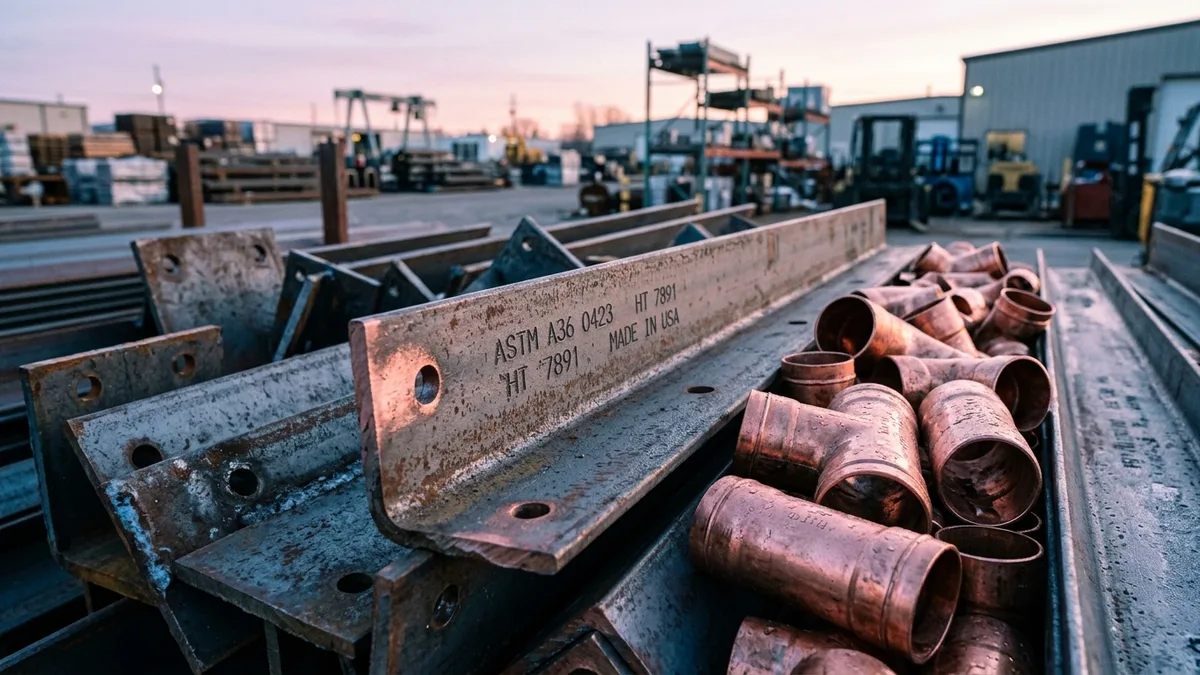
The new rates hit familiar pressure points: structural steel, decking, studs, copper pipe, and aluminum components have all seen sustained cost increases through earlier tariff rounds, and this adjustment adds another layer. But industry voices are pushing back against worst-case budget projections.
Barry Zekelman, executive chairman and CEO of Chicago-based steel tube and pipe manufacturer Zekelman Industries, told Construction Dive that the steel frame of a typical commercial building represents only 8% to 9% of total project cost, and materials within that frame account for roughly 33% of the frame cost. By that math, the overall tariff hit to a full building budget is limited, even if steel prices move up. He does not expect the changes to delay or pause projects.
Tim Jed, supply chain leader at DPR Construction in Santa Clara, California, offered a more cautious read. “In some cases, we expect little to no change in material pricing. In others, cost increases are likely,” Jed told Construction Dive. He noted that certain electrical grid-related products may see some pricing relief where metal content makes up a smaller share of total cost.
What It Means for Subcontractors
- Reprice by metal content, not by category. Products with high embedded steel, aluminum, or copper face the steepest exposure. Audit your material specs before finalizing any bid.
- Protect open bids with escalation clauses. With material costs unsettled, bids already in the pipeline carry real margin risk. Escalation provisions tied to commodity indexes give you a contractual out if prices move after award.
- Data center and mission critical work carries lower steel exposure. Zekelman noted the steel frame cost share on data center projects is well below the commercial building average, making those project types somewhat less vulnerable to structural steel tariff pressure.
- Expect variability by supplier and product. Domestic sourcing may blunt some tariff impact on certain materials. Confirm with your supply chain whether domestic alternatives exist before assuming full tariff pass-through.
- Contractors are absorbing pressure for now. Jed noted that most contractors are not delaying projects outright, meaning competitive pressure to hold prices is real. Knowing your cost floor before bidding is more important than ever.