Louisiana Legislature Unanimously Backs Argent LNG's 25-MMtpa Port Fourchon Export Terminal
According to World Oil, the Louisiana Legislature has unanimously approved Senate Concurrent Resolution No. 6, formally endorsing the development, construction, and long-term operation of the proposed Argent LNG export terminal at Port Fourchon. The vote, which passed both chambers without opposition, signals strong political momentum behind what the resolution describes as one of the largest prospective private-sector investments in Louisiana in recent years.
Background
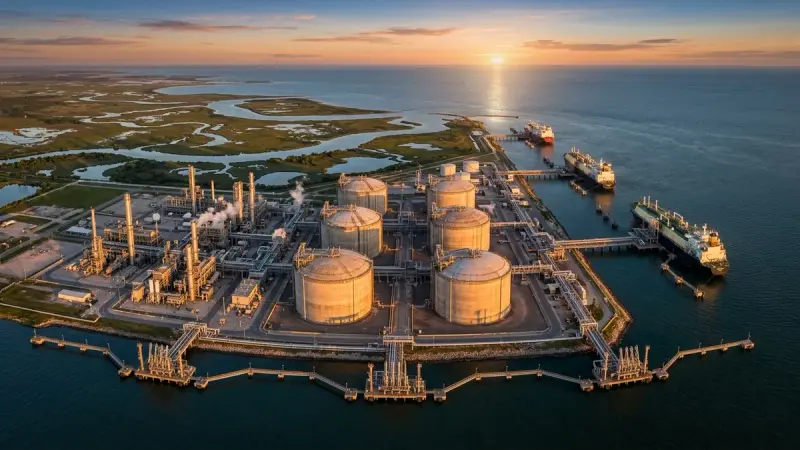
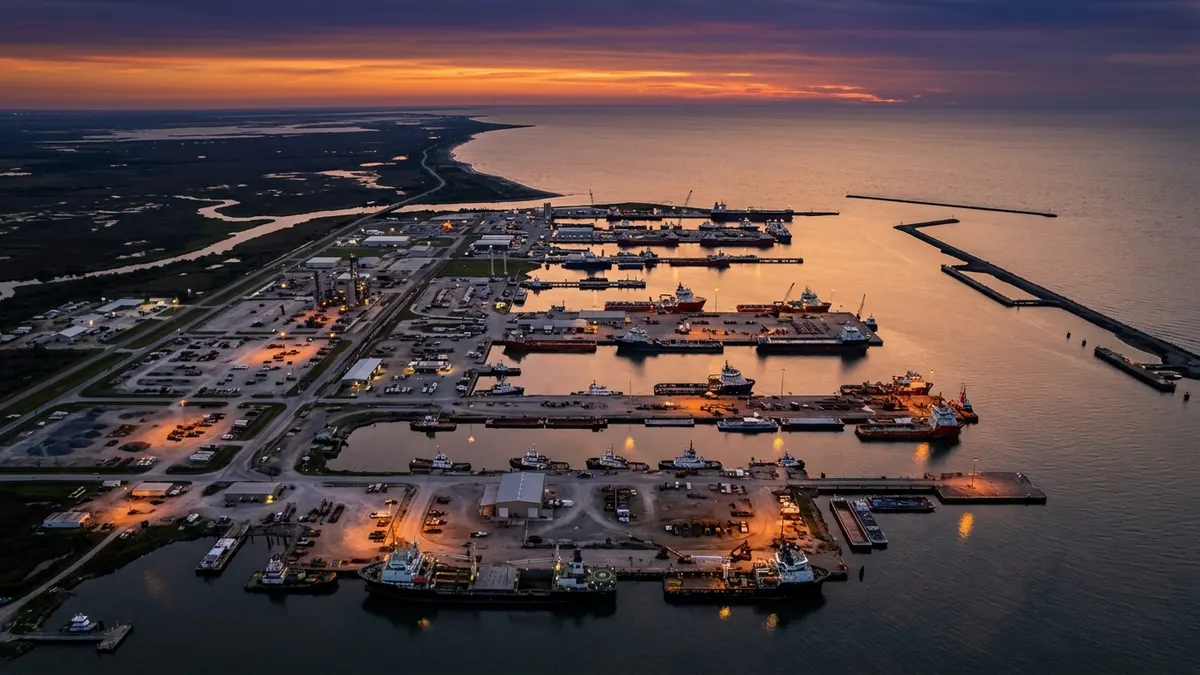
The Argent LNG facility is planned for Port Fourchon, a central logistics hub for Gulf of Mexico offshore energy operations. The proposed terminal carries a capacity of 25 million metric tons per annum (MMtpa) and remains in the Federal Energy Regulatory Commission (FERC) permitting process, according to World Oil.
Louisiana Senator Michael “Big Mike” Fesi, who authored the resolution, framed Port Fourchon’s role in broader national energy terms. “Port Fourchon is the backbone of America’s offshore energy industry, and it deserves a project worthy of its legacy,” Fesi said. The resolution also identified Baker Hughes, Honeywell, ABB, and GTT as companies whose technologies and systems are expected to be incorporated into the facility.
Argent LNG Chairman and CEO Jonathan Bass stated that the company plans to prioritize Louisiana-based manufacturing, contracting, and workforce participation as part of its development strategy.
Analysis
Unanimous legislative votes are relatively rare, and this one carries practical weight beyond political symbolism. When both chambers of a state legislature back a project without a single dissenting vote, it removes a layer of local opposition risk that has stalled or complicated other LNG developments along the Gulf Coast. For a project still working through the FERC process, that kind of institutional alignment matters. Federal regulators take note of state-level support, and it can help smooth the path through environmental and siting reviews.
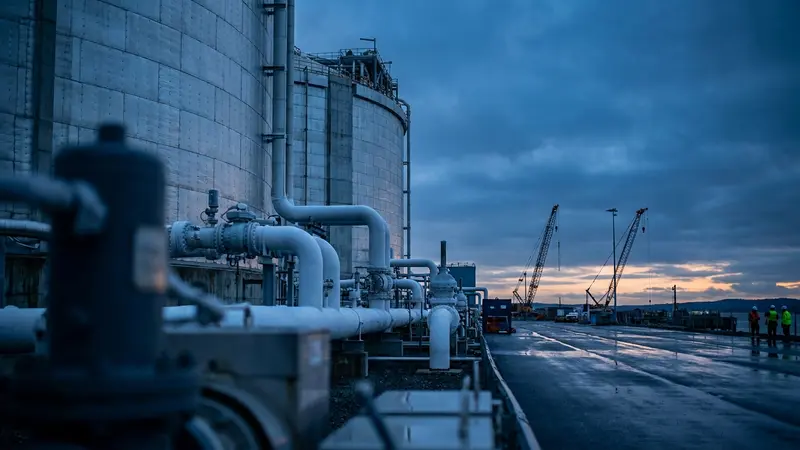
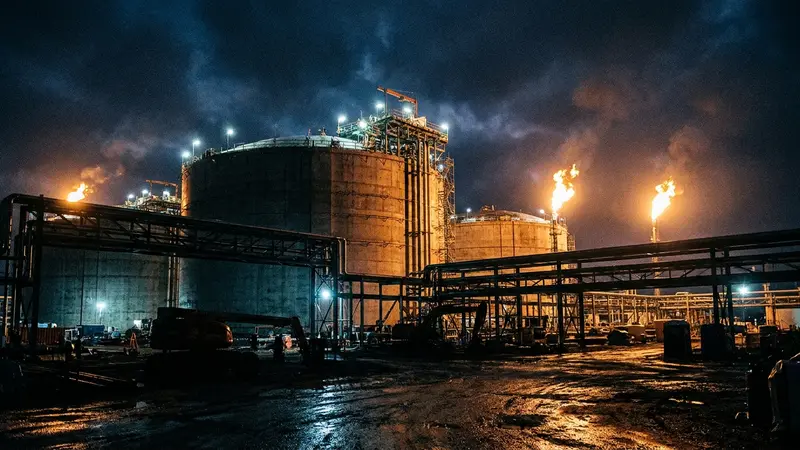
The 25-MMtpa scale also puts this project firmly in the major league of LNG infrastructure. That’s not a small export terminal. It requires significant civil construction, marine infrastructure, cryogenic process equipment, electrical systems, and years of sustained field activity. The named technology suppliers, Baker Hughes, Honeywell, ABB, and GTT, are all major players in LNG process and control systems, and their involvement points to a project with serious engineering development behind it.
Bass’s commitment to prioritize Louisiana-based contracting is notable and worth watching closely. LNG terminal construction has historically drawn large engineering, procurement, and construction contractors who bring their own supply chains. When project leadership publicly commits to local workforce and contracting participation, it often reflects pressure from state and local stakeholders, and sometimes becomes a condition embedded in permitting or incentive agreements. Whether that commitment translates into enforceable local content requirements or remains aspirational will matter enormously to Gulf Coast subcontractors who want a seat at the table.
Port Fourchon’s location also gives this project a natural advantage. The port already supports the offshore energy industry’s logistics backbone, meaning utilities, workforce housing, marine access, and staging infrastructure are more developed than at greenfield coastal sites.
What It Means for Subcontractors
- Start tracking this project now. FERC permitting for large LNG terminals can take years, but the construction ramp-up draws on contractors long before a final investment decision. Getting on approved vendor lists and building relationships with EPC contractors early is critical.
- Local preference is on the table. CEO Jonathan Bass has publicly committed to prioritizing Louisiana-based contracting and manufacturing. That’s an opening for Gulf Coast subcontractors to make direct outreach and document their regional capabilities.
- Scope will be broad. A project of this scale requires civil, structural, mechanical, piping, electrical, instrumentation, and marine construction. Specialty subcontractors across all trades should assess whether their capacity aligns with LNG work requirements, including any cryogenic or hazardous area certifications.
- Named suppliers signal the tier-one ecosystem. Baker Hughes, Honeywell, ABB, and GTT will be procuring their own subcontractors and field service vendors. Building relationships within those companies’ supply chains is another path to project participation.
- Watch the FERC timeline. The project is still in federal permitting. Monitor FERC dockets for Argent LNG to anticipate when construction activity is likely to begin and plan workforce and equipment capacity accordingly.