July Is the Deadliest Month for Heat on Jobsites. Here's What Field Employers Need to Know
According to Safety+Health Magazine, July is statistically the hottest month of the year in the United States, citing the National Oceanic and Atmospheric Administration, making it a critical window for field employers to ensure heat protection programs are in place.
Why Heat Safety Is Front and Center This Summer
Safety+Health Magazine’s June 2026 issue dedicates coverage to heat-related worker protections, noting that both federal OSHA and state-level regulators have been active on heat safety regulation and legislation. The publication’s associate editor Alan Ferguson provides an overview of those developments, though specifics from that overview were not available in the source excerpt.
The magazine also notes that state-level activity varies widely. Workers in many states fall under federal OSHA jurisdiction, but state-plan states have been pursuing their own heat rules. Safety+Health flags this patchwork as a reason employers should track developments beyond their own state lines.
What It Means for Subcontractors
- July represents peak risk for heat illness on outdoor jobsites. Field employers working in Texas, the Permian Basin, Gulf Coast, and other high-heat regions should treat this month as the highest-priority window for enforcing heat safety protocols.
- Federal and state OSHA heat rulemaking is active. Subcontractors should monitor both federal OSHA guidance and their state regulator’s updates, since requirements may differ depending on where crews are working.
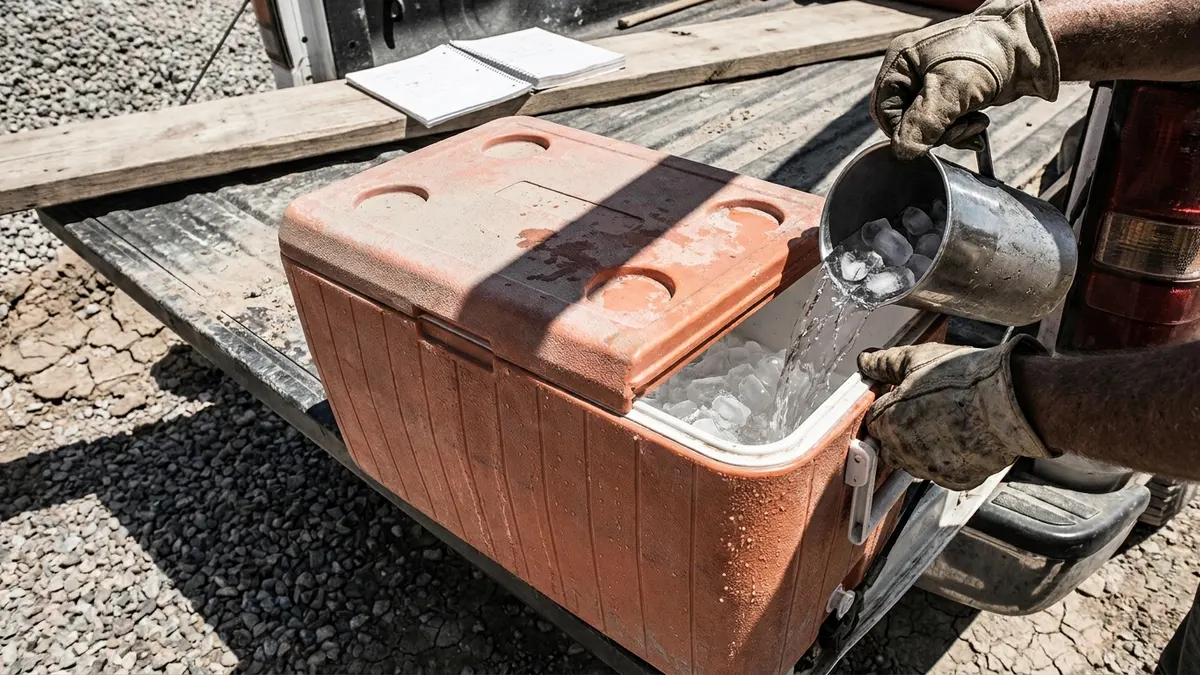
- Do not wait for a citation to act. The source signals that regulatory attention to heat is intensifying, meaning enforcement scrutiny is likely to follow. Written heat illness prevention plans, acclimatization schedules, and water and shade access should already be documented and in use.
- Stay current through industry publications and newsletters. Safety+Health notes that ongoing coverage of heat regulations is available through their daily newsletter and social channels, which can help safety managers catch state-level changes before they become compliance deadlines.
The full heat safety overview by Alan Ferguson appears in the July 2026 print issue of Safety+Health Magazine.