Isaias Shuts In 71% of Gulf of Mexico Oil, 129 Platforms Evacuated
Oilprice.com reports that Hurricane Isaias has shut in 1,458,814 bpd of U.S. Gulf of Mexico oil production, or 71.51% of output, based on figures the Marine Minerals Administration released Friday.
Market Impact
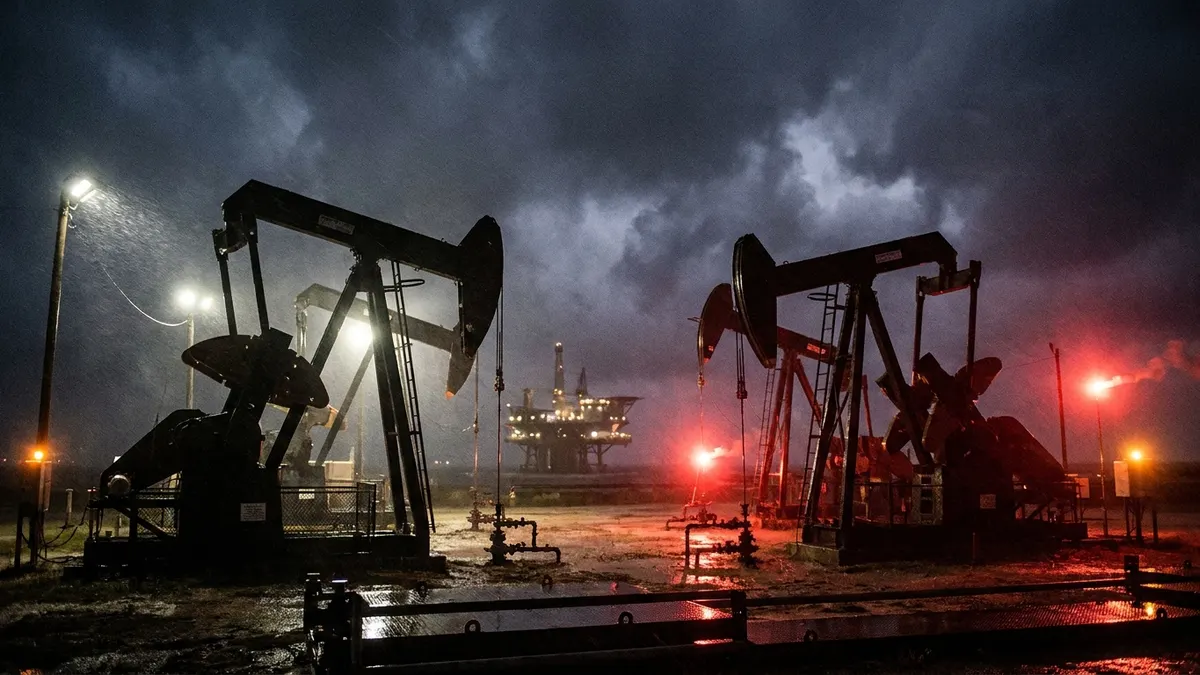
The agency also reported 1.26 billion cubic feet per day of natural gas shut in, or 58.84% of Gulf gas output. Oil shut-ins grew by about 176,000 bpd from Thursday, when 1.28 million bpd was offline. Operators have evacuated 129 production platforms, nearly 35% of the 371 manned platforms in the Gulf. Eight of 11 non-dynamically positioned drilling rigs have been evacuated, and two of 17 dynamically positioned rigs have moved out of the storm’s path.
The shutdown escalated fast. On Tuesday, before Isaias became a hurricane, no platforms or rigs had been evacuated and 9.24% of Gulf oil production was offline. The figure reached 62.89% by Thursday. Three days before Friday’s report, shut-ins stood at 185,120 bpd.
Oilprice.com notes that these losses are not necessarily lasting supply losses. Operators routinely shut in wells and evacuate crews, then inspect and restart after the storm passes. Undamaged platforms can return relatively quickly once safety inspections are done. Damage to platforms, subsea equipment, pipelines or onshore infrastructure can stretch outages considerably longer. The report adds that the shutdown comes as the oil market is already short on supply cushions after months of Middle East disruptions and falling inventories.
What It Means for Subcontractors
- Document standby and demobilization costs now. With 129 platforms and 10 of the 28 rigs counted in the report evacuated or moved, log evacuation order times, crew hours, idle equipment and vessel standby daily. Claims are easier to support when records are built in real time.
- Pull your force majeure and weather-delay clauses. Check the notice windows, whether standby time is compensable, and whether demobilization and remobilization are billable under your master service agreements. Send notice before the storm passes if a clause requires it.
- Rig-support crews face the most exposure. Eight of 11 non-dynamically positioned rigs have evacuated, compared with two of 17 dynamically positioned rigs. This is our read: crews tied to the evacuated non-DP rigs are likely to see the longest idle time.
- Line up post-storm inspection and restart crews. The source says restart depends on damage to platforms, subsea equipment, pipelines and onshore infrastructure. Inspection, pipefitting, E&I, subsea and onshore facility crews are the trades most likely to be called. Confirm availability and mobilization terms with operators before damage assessments come in.
- Expect the work scope to be unclear at first. The source gives no landfall, storm track or restart dates, so none are confirmed. This is our inference: with the market short on cushions, operators may push for fast restarts on undamaged platforms. Contractors that have crews, vessels and inspection certifications ready will be best placed for those first call-outs.