Indigenous and Rural Coalition Demands Federal Review of Alberta's $16.5B CO2 Pipeline
According to the Edmonton Journal, a coalition of Indigenous leaders, farmers, and rural landowners gathered at the Alberta Legislature on Tuesday to formally demand federal intervention on a proposed $16.5 billion carbon dioxide pipeline backed by major oilsands producers.
Project at a Glance
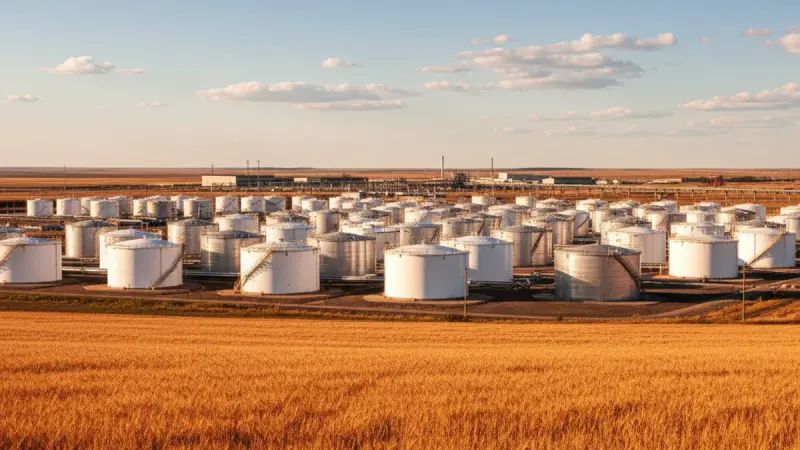
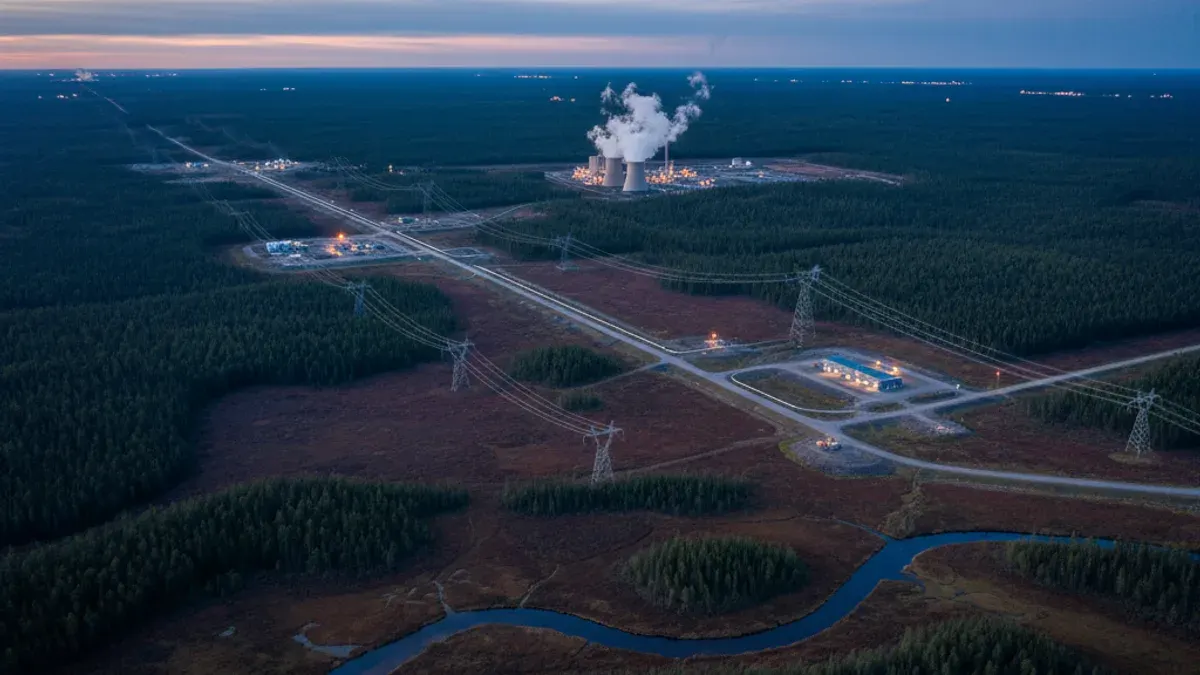
The Pathways Alliance project, supported by Suncor Energy and Imperial Oil among others, would run a 400-kilometer CO2 pipeline from 20 northern Alberta facilities to an underground storage hub near Cold Lake. The “No CO2 Pipeline” coalition is calling on Ottawa to bypass the Alberta Energy Regulator (AER) and conduct a comprehensive federal impact assessment, a move prompted in part by a 2024 AER decision to waive the requirement for a provincial environmental impact assessment.
Amil Shapka, a landowner from St. Paul and coalition co-founder, said the group formed after two years of failed attempts to get clear answers from industry and government. “An energy serfdom is hardly a sovereign Canada,” Shapka said. Athabasca Chipewyan First Nation Chief Allan Adam also joined the protest, saying his community has been “ravaged” by oilsands development and that groundwater and pipeline leak concerns remain unanswered. Alberta Environment Minister Grant Hunter expressed surprise at the opposition, describing the project as a key part of a provincial-federal agreement that could eventually support a new oil pipeline to the West Coast. The coalition has scheduled its first town hall for April 26 in Mallaig.
What It Means for Subcontractors
- Project uncertainty is real. Regulatory fights at the federal level can delay or restructure major pipeline projects by months or years. Subcontractors bidding on Pathways Alliance work should factor in timeline risk before committing resources.
- Federal review changes the rules. If Ottawa conducts its own impact assessment, permit requirements, environmental monitoring scopes, and Indigenous consultation protocols could expand significantly, affecting contract terms and field compliance obligations.
- Indigenous consent is a project variable. Chief Allan Adam’s involvement signals organized First Nation opposition. Subcontractors working in northern Alberta should expect Indigenous consultation requirements to intensify across CO2, pipeline, and oilsands-adjacent projects.
- Watch the federal-provincial agreement. The draft agreement that would defer federal oversight to Alberta standards is still unresolved. How that gets settled will determine which regulatory framework governs the project and what compliance costs land on field operators.