Hydro One Files $100 Million Application to Upgrade Greater Ottawa Transmission Network
According to the Daily Commercial News, Hydro One Networks Inc. has filed a leave-to-construct application with the Ontario Energy Board (OEB) seeking approval to build the Orléans Area Reinforcement Project, a roughly $100 million transmission upgrade in the Greater Ottawa Area.
Project Scope and Timeline
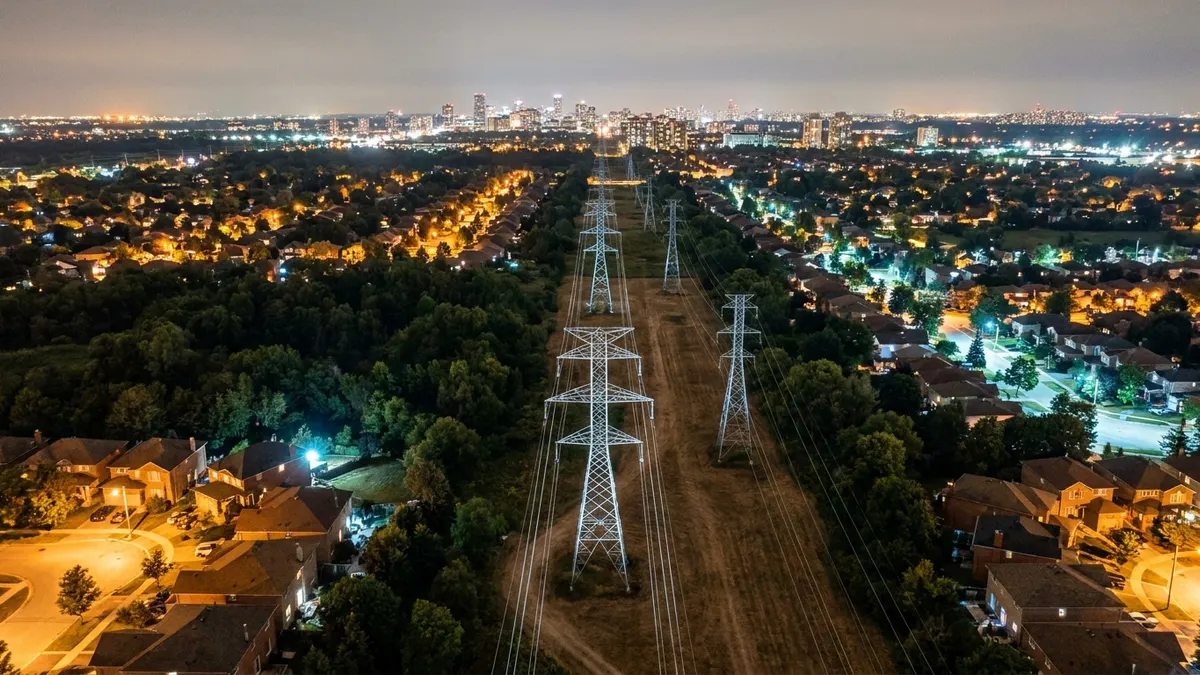
The project involves two primary components: construction of a new 11-kilometre, 115-kilovolt (kV) transmission line within an existing transmission corridor between Hawthorne Transformer Station and Orléans Transformer Station, and the conversion of an existing 115-kV line between the two stations to 230-kV.
Hydro One’s release states the investment is “expected to bolster capacity, improve the system’s regional transfer capability and strengthen reliability,” with the project targeted for in-service completion by 2029.
The leave-to-construct application was filed under Section 92 of the Ontario Energy Board Act, 1998, the regulatory mechanism Ontario electricity transmitters must use to obtain OEB approval before constructing, expanding, or reinforcing transmission infrastructure. The application covers the project’s route, design, timing, and cost.
What It Means for Subcontractors
- Transmission line construction is the core scope. The 11-kilometre new-build line and the voltage conversion work will require electrical, civil, and structural subcontractors experienced in high-voltage transmission projects in Ontario.
- OEB approval is still pending. The leave-to-construct filing is the regulatory entry point, not a construction green light. Subcontractors should monitor the OEB process and the project webpage for procurement timelines as approval progresses.
- The 2029 in-service target sets a rough planning window. With regulatory review ahead, construction activity is likely to ramp up in 2027 or 2028, giving firms time to position for bidding opportunities.
- Existing corridor work reduces greenfield complexity. The new line runs within an existing transmission corridor, which typically limits land access and environmental permitting challenges compared to new right-of-way projects.