FMI's 2026 Construction Outlook Points to Growth in Energy and Infrastructure, Softness Elsewhere
According to Construction Executive, FMI’s 2026 North American Engineering & Construction Outlook projects total U.S. construction spending will rise roughly 1% to approximately $2.2 trillion this year, recovering from a slight dip in 2025, but growth will be heavily concentrated in specific sectors.
Market Impact
The headline number masks a significant split in the market. Public infrastructure and government-funded projects are expected to hold up well, supported by federal spending programs, while data centers continue to drive megaproject activity. On the other side, multifamily housing, lodging, and traditional office construction remain under pressure from high financing costs and economic uncertainty.
FMI notes that contractors are increasingly being forced to make sharper choices about where to compete. The report frames this as a “selective growth” environment, meaning firms that chase the right sectors will find steady pipelines while those concentrated in cooling private markets will feel the squeeze.
What It Means for Subcontractors
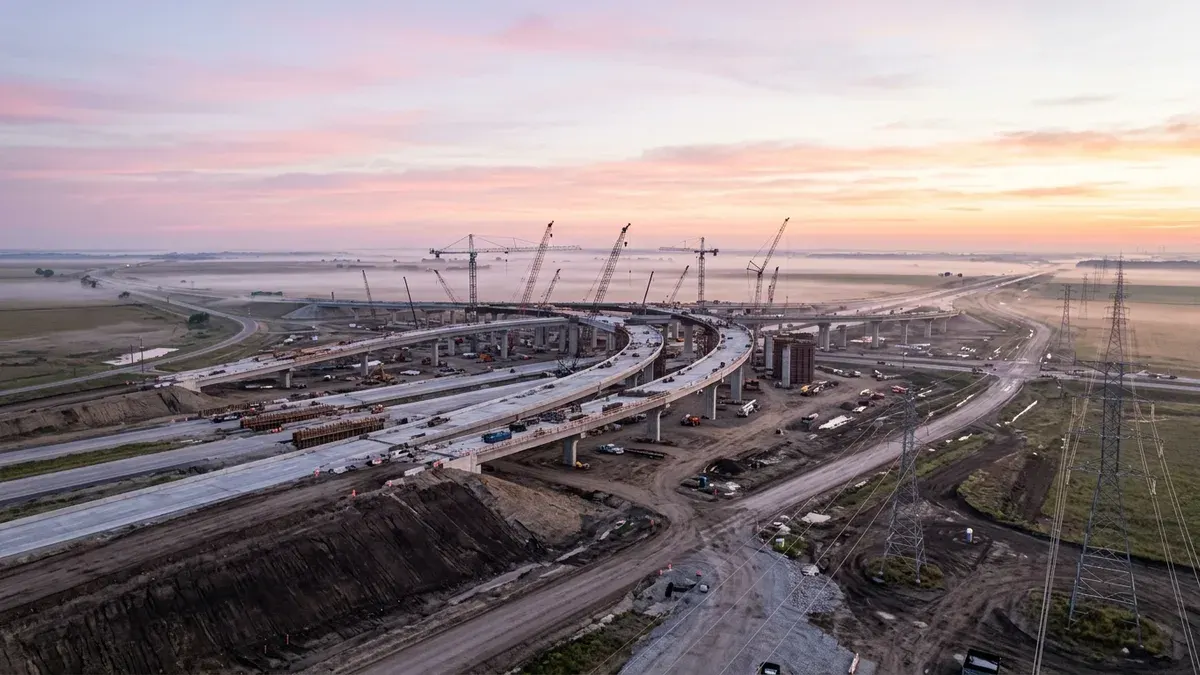
- Follow the public money. Infrastructure and government-funded work are the most stable segments heading into 2026. Subcontractors who can qualify for public projects, including DOT, utility, and municipal work, are better positioned than those dependent on private development.
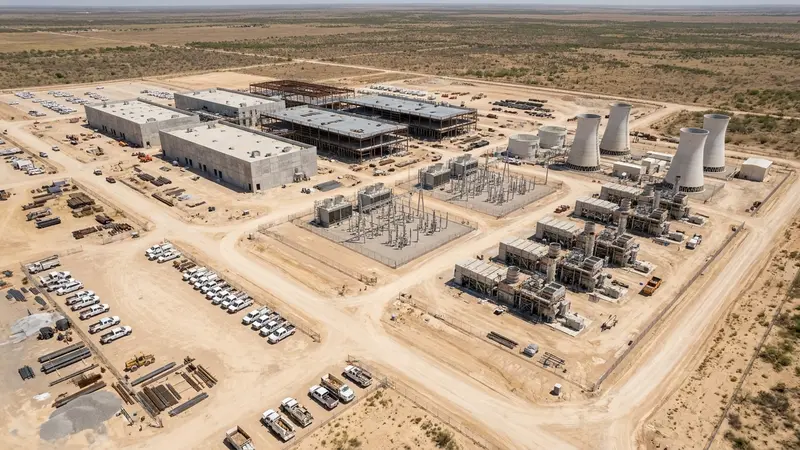
- Data centers and energy are active. Megaproject demand from data center construction and energy infrastructure is real and growing. Electrical, mechanical, civil, and specialty trades with experience in these sectors should be actively pursuing relationships with general contractors in those pipelines.
- Pull back on multifamily and office exposure. High interest rates continue to choke private development. Subcontractors heavily weighted toward residential multifamily or commercial office work should expect thinner bid volumes and margin pressure through at least the near term.
- Diversify now, not later. The report’s core message is that the firms that preposition themselves in strong sectors before the work fully materializes will have the advantage. Waiting for backlog to dry up before pivoting is a reactive strategy in a market that rewards early movers.