Granite Brings Portable Crusher and Asphalt Plant to $32M Alaska Highway Rebuild
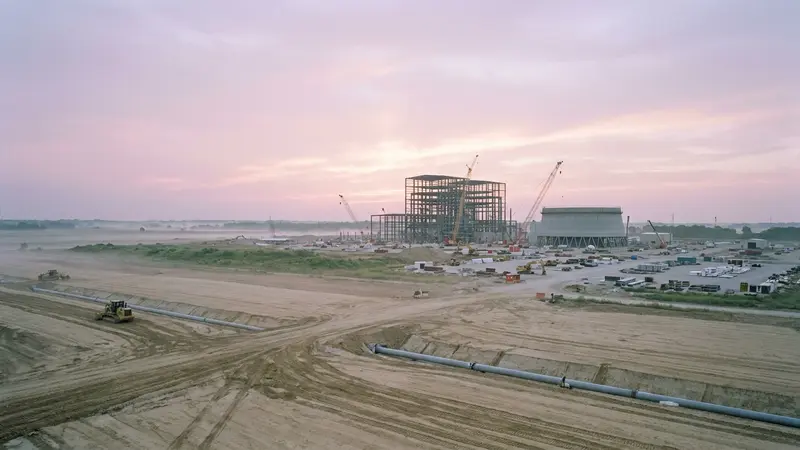
According to Construction Dive, Granite Construction has been awarded a $32 million contract to reconstruct a section of the George Parks Highway near Nenana, Alaska, and will deploy a portable crusher and asphalt plant on-site to self-supply materials for the job.
Project Details and the Self-Supply Advantage
The Parks Highway MP 315–325 Reconstruction project is the second phase of a broader rebuild that has been underway for more than 10 years, according to the Alaska Department of Transportation and Public Facilities. Granite, headquartered in Watsonville, California, is operating under a construction manager/general contractor delivery contract and will complete approximately 1.2 million cubic yards of excavation and embankment.
The self-supply strategy is already paying dividends. Because Granite has been working on the broader reconstruction since 2022, it was able to use existing on-site materials and excess from the first phase. The result: the company imported just 8,000 tons of gravel, less than one-fifth of the original 50,000-ton estimate, according to the May 14 announcement. For the current phase, Granite will produce 22,000 tons of asphalt using its portable equipment. Construction is scheduled to begin late in the second quarter of 2026, with substantial completion targeted for the third quarter of 2028.
The highway work is safety-driven as well. The section between mileposts 319 and 325 does not meet current engineering standards, and the road recorded six major injuries and two deaths for motorists between 2010 and 2021. Granite will re-route the highway to straighten curves and reduce grades from mileposts 322 to 325.
What It Means for Subcontractors
- Remote logistics are a competitive differentiator. Bringing material production on-site eliminated more than 80% of planned gravel imports on this job. Subcontractors bidding remote or infrastructure-heavy work should evaluate whether portable crushing or paving equipment could reduce their supply chain exposure and cost.
- Long-term project presence builds material advantages. Granite’s involvement since 2022 let the company leverage Phase 1 excess material in Phase 2. Subcontractors who establish ongoing relationships on multi-phase projects can capture similar efficiencies that one-off bidders cannot match.
- CM/GC delivery models reward self-performing capability. Granite is delivering this work under a construction manager/general contractor contract, a delivery model that increasingly favors contractors who control more of their own supply chain and can demonstrate cost certainty early in the process.
- Safety deficiencies on aging infrastructure mean sustained work. With highway segments actively failing current engineering standards across rural states and territories, civil subcontractors with earthwork, grading, and paving capabilities should expect continued demand on reconstruction programs tied to safety mandates.