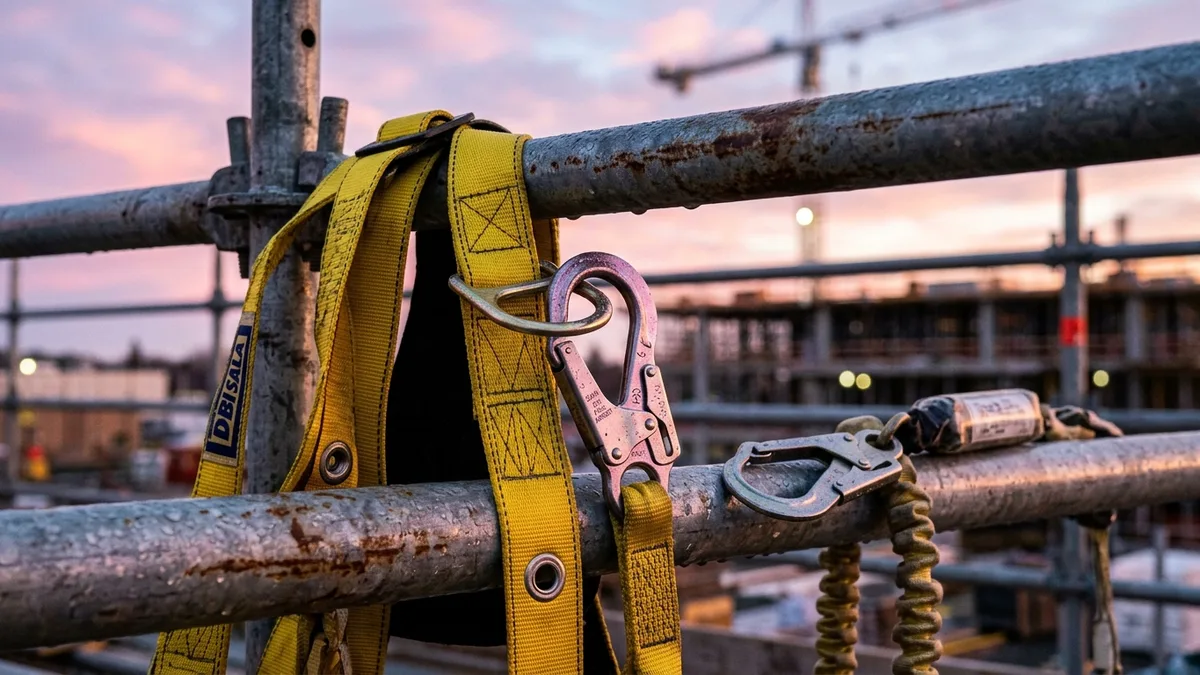
Five Enemies of Field Safety: What Permian Basin Operators Are Getting Wrong
According to Permian Basin Oil and Gas Magazine, the top five threats to workplace safety in the oil and gas industry are complacency, ineffective training, employee mental health, poor documentation practices, and shortcuts — with the publication noting that lack of follow-up is a category serious enough to stand on its own.
The Five Safety Failures Operators Keep Repeating
The magazine’s analysis calls out complacency as particularly difficult to manage because it is hard to measure and not always easy to spot. One recommended fix is wider adoption of Situational Judgment Tests, known as SJTs, during the hiring process. These tests recreate realistic workplace scenarios to assess a candidate’s judgment without being intrusive. The publication notes that SJTs are common in large corporations but are not yet standard practice in the oil and gas industry, and recommends their use across all levels of an organization, from independents to majors.
On training, the article raises a pointed question: does your safety training actually work, or does it just meet the minimum requirements of OSHA standards? The publication notes that much training material is recycled from other safety reps, and that feedback is rarely collected in a meaningful way, especially when employees must identify themselves to give it.
Documentation also draws scrutiny. The article warns that safety records can work for or against an operator in litigation, recommending that qualified reviewers, including legal counsel when appropriate, examine documentation before it is finalized.
What It Means for Subcontractors
- Review your hiring process. If your company isn’t using SJTs or structured interviews that test real-world judgment, you may be selecting for credentials over competence, and missing complacency before it reaches the field.
- Ask your crew if training is working. Anonymous feedback mechanisms can surface problems that formal evaluations miss. Training that satisfies an OSHA checkbox but doesn’t land with your workforce is a liability, not a safeguard.
- Get eyes on your documentation. A safety report written in haste or without review can become evidence against you. Bring in qualified reviewers and, where warranted, legal counsel before finalizing incident records.
- Watch for performance changes that signal personal problems. The article points out that crew leaders need to be trained to spot deteriorating performance before it leads to injuries. Mental health and interpersonal issues that begin at home can become a worksite hazard.
- Shortcuts are universal. The article acknowledges that nearly everyone takes them. The question for subcontractors is whether your safety culture creates enough psychological safety for workers to flag risky shortcuts before an incident occurs.