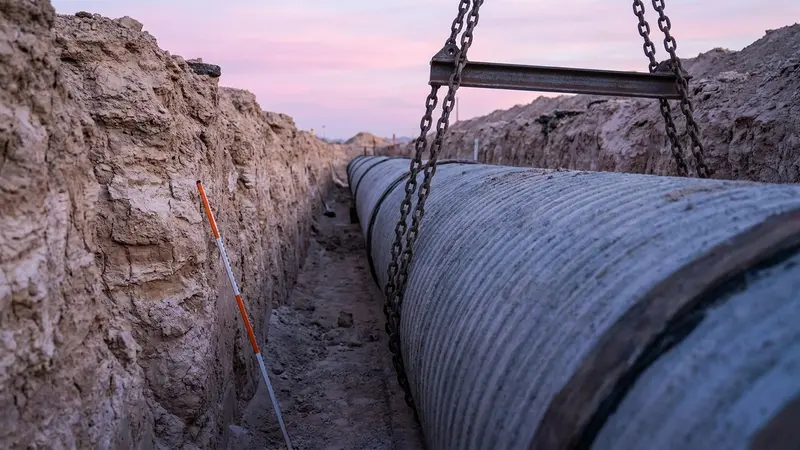
EPA Releases $2.9 Billion in Lead Pipe Replacement Funding for 2026
According to WaterWorld, the U.S. Environmental Protection Agency has announced approximately $2.875 billion in fiscal year 2026 funding through the Drinking Water State Revolving Fund to accelerate lead service line replacement nationwide, one of the largest annual federal investments aimed at reducing lead exposure in drinking water systems.
Funding Breakdown and Regulatory Pressure
The FY 2026 allocation is slightly below the prior year’s $3 billion figure. Major state recipients include Illinois at $295.6 million, Ohio at $201.8 million, and New York at $185.2 million, all states with high concentrations of legacy lead service lines. Nearly 49% of the total funds are required to be distributed as grants or principal forgiveness, with priority given to disadvantaged communities.
EPA Assistant Administrator for Water Jess Kramer stated the investment is intended to “accelerate local efforts to find and replace toxic lead pipes,” according to WaterWorld.
The funding comes as utilities face growing pressure to comply with EPA’s Lead and Copper Rule Improvements, which requires drinking water systems to replace all lead service lines over a 10-year period. Utilities are actively building inventories, prioritizing replacement schedules, and lining up financing to meet those mandates.
What It Means for Subcontractors
- Watch state allotments closely. Illinois, Ohio, and New York are receiving the largest shares of 2026 funding, meaning bid activity for excavation, pipe replacement, and restoration work is likely to concentrate in those states first.
- Disadvantaged community set-asides create early opportunities. With nearly half the funds directed as grants or principal forgiveness, smaller municipalities that previously lacked budget for LSL work are now entering the market as real buyers.
- LCRI compliance is the long-term driver. The 10-year federal replacement mandate means this isn’t a one-cycle opportunity. Underground utility contractors who build relationships with water utilities now are positioning for a decade of recurring project flow.
- Scope includes planning and inventory work. Utilities can use funds for lead pipe identification and planning activities, not just physical replacement, opening doors for contractors offering locating, inspection, and assessment services.